To understand how to host a Viking Wedding today, we must first look back over a thousand years to early medieval Scandinavia. In historical Norse society, marriage was much more than a romantic partnership. It represented a major legal contract between two families, alliances, land distribution, and communal survival.
Planning a Viking Wedding required careful coordination and timing. Celebrations lasted up to a week, featuring endless feasts, storytelling, athletic competitions, and ritual toasts.
Timing played a vital role in historical Norse weddings. Couples held ceremonies on Fridays, the sacred day of Frigg, the Norse goddess of love, marriage, and motherhood. Winter weather made travel dangerous across Scandinavia, so weddings took place during late spring or autumn. Autumn offered harvested crops, fresh livestock, and abundant honey to brew mead for the feast.
Modern couples often choose autumn and spring dates to honor these ancient seasonal cycles.
Planning and Negotiation: The Legal Foundations
Before any drinking horn was raised, family elders met to negotiate the marriage terms. The groom and his family presented a formal proposal to the bride's father or legal guardian.
Historical negotiations centered around two key financial exchanges:
- The Bride Price (Mundr): The groom paid a sum to the bride's family. This payment compensated them for losing her labor and covered her future financial security.
- The Dowry (Heimanfylgja): The bride's family provided property, livestock, silver, or household goods. The bride retained personal ownership of her dowry, serving as a financial safety net if the marriage ended in divorce.
The marriage contract became official once both families agreed on these terms and exchanged handshake vows. Today, modern couples replace financial contracts with personal vows, mutual goals, and shared promises.

What Made an Authentic Viking Wedding Unique?
Pre-Wedding Preparation Rituals
Traditional preparations began several days before the ceremony. These rituals focused on spiritual purification, family honor, and transition into adulthood.
The Bride’s Bath and Kransen
The bride spent the morning of her ceremony with her mother, married female relatives, and close friends. She visited a bathhouse to wash away her maiden identity. Attendants added aromatic herbs like birch leaves, pine needles, and sweet clover to the water.
After her bath, the bride removed her kransen, a delicate wooden or woven headband worn by unmarried Norse girls. She stored her kransen in a wooden box to save for a future daughter. During the ceremony, she replaced it with a heavy bridal crown.
       [ Unmarried Maiden Status ]
                   |
                   v
      ( Preserved via The Kransen )
                   |
                   v
     [ Sacred Pre-Wedding Bath Ritual ]
                   |
                   v
    [ Transformed via The Bridal Crown ]
The Groom’s Sword Retrieval
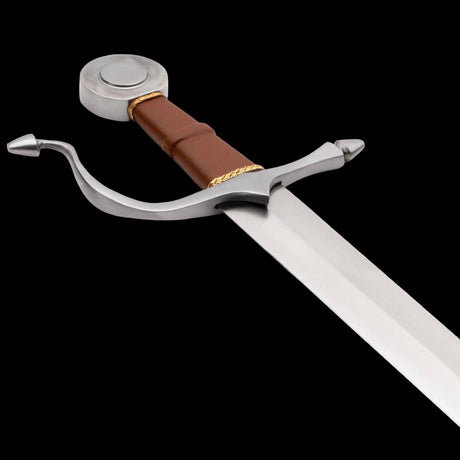
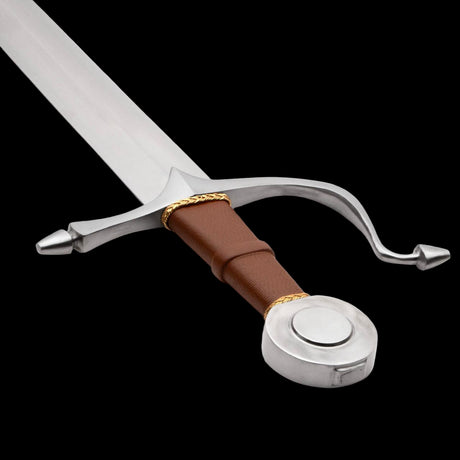
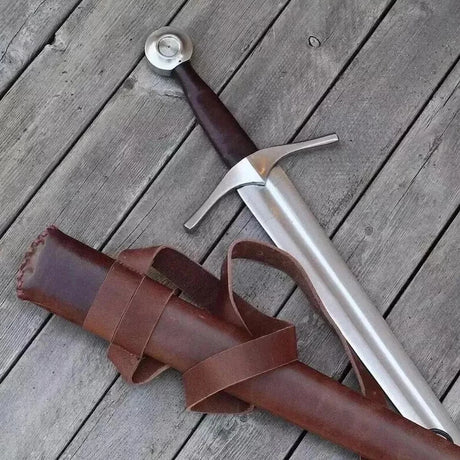
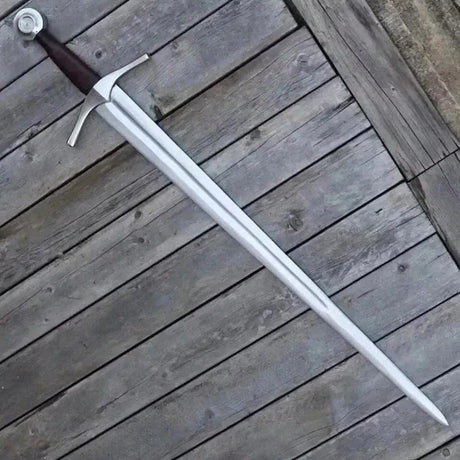
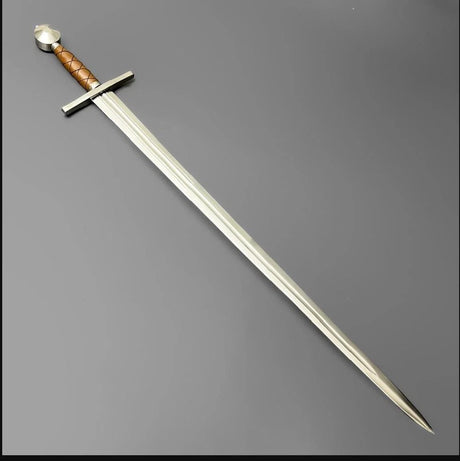
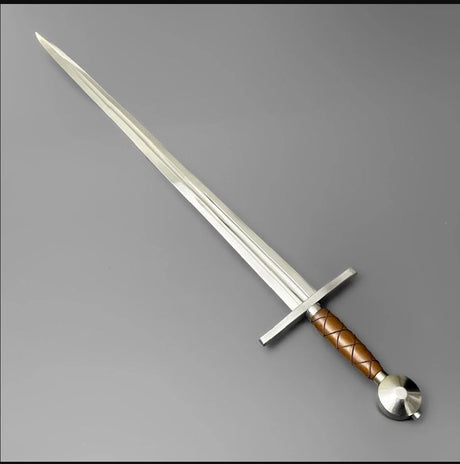
The groom underwent his own intense rite of passage. Guided by his father and married male friends, he visited the ancestral grave of a forefather. In a symbolic ritual, the groom retrieved a family sword from the burial site.
This act symbolized defeating death and claiming maturity. If an actual ancestral sword was unavailable, the father presented a new sword for the groom to carry into marriage.
Key Rituals of a Viking Wedding Ceremony
Norse wedding ceremonies combined sacred oaths, physical symbols, and community participation. You can incorporate several core historical rituals into a modern Viking Wedding.
1. The Sword Exchange
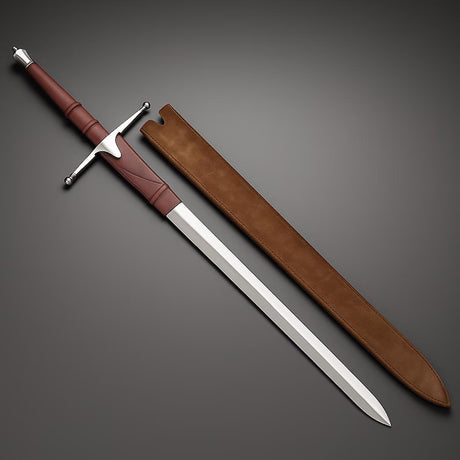
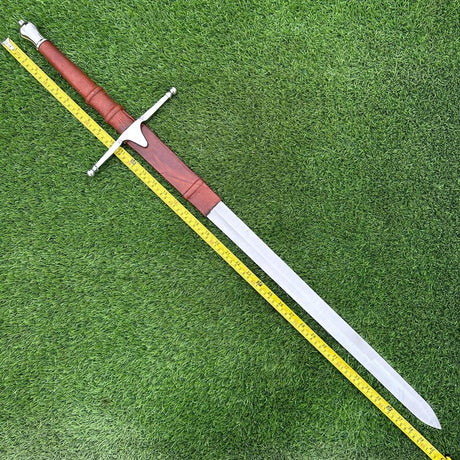
The sword exchange represented one of the most significant moments in a Norse union. The groom handed his inherited sword to the bride for safekeeping. She held this weapon in trust for their future children.
Next, the bride presented the groom with a sword from her own family line. This exchange symbolized a union of strength, mutual protection, and shared responsibility.
"With this sword, I give you the protection of my family, and with your sword, I entrust the defense of our future."
2. The Exchange of Rings
After exchanging swords, the couple traded wedding rings. To make the exchange extra meaningful, the partners placed their rings on the hilt of their newly acquired swords before presenting them to each other.
[ Sword Exchange Completed ] ---> [ Rings Placed on Sword Hilts ] ---> [ Mutual Vows Sworn ]
3. The Handfasting Ceremony
Handfasting remains one of the most recognizable rituals for a Viking Wedding. The officiant wrapped a braided cord, ribbon, or strip of leather around the couple's joined hands while they spoke their vows.
The knot symbolized binding two separate lives, families, and fates into a single path. This ancient practice inspired the modern phrase "tying the knot."
4. The Brullaup (The Bridal Race)
Following the sacred oaths, the wedding party held the Brullaup, or bridal race. The bride's family and the groom's family raced each other from the ceremony site to the feast hall.
The losing family served drinks to the winners throughout the first night of celebration. This playful competition broke the tension, energized guests, and brought both families together.
Attire and Grooming for a Viking Wedding
Viking Wedding attire balances practical comfort, natural textures, and historical craftsmanship. You can adapt these traditional elements for a modern celebration.
                   [ Viking Wedding Attire Overview ]
                                   |
         +-------------------------+-------------------------+
         |                                                   |
[ Bridal Attire ]                                   [ Groom Attire ]
  * Flowing tunic dress (wool or linen)               * Tunic with embroidered trim
  * Layered aprons with brooches                      * Fitted trousers & leather boots
  * Ornate metal or wooden bridal crown               * Functional belt with pouch & dagger
  * Intricate braided hairstyle                       * Neat beard with silver accents
Bridal Attire
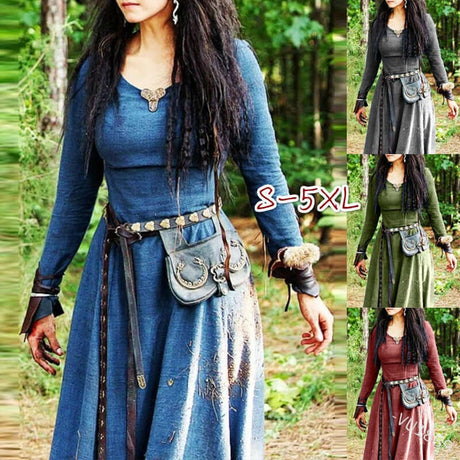
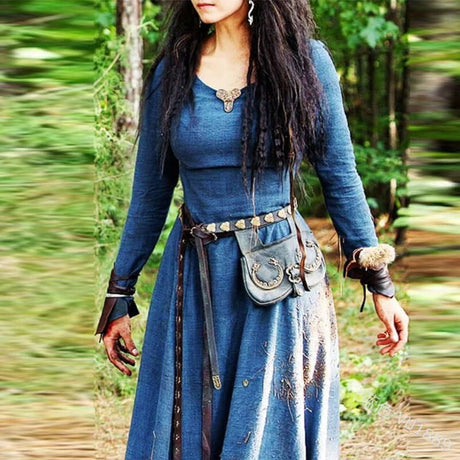
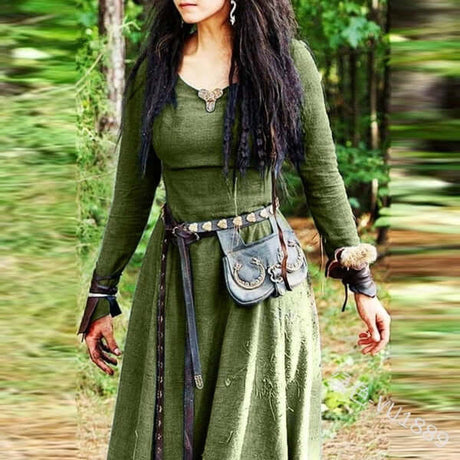
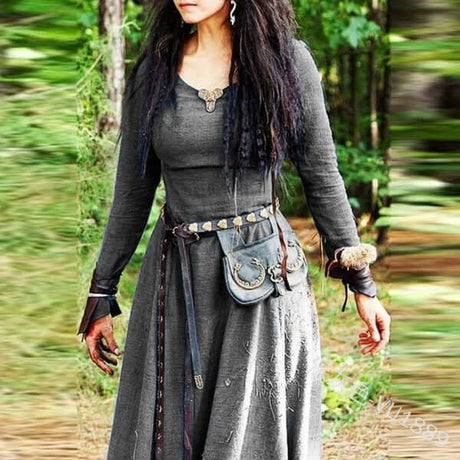
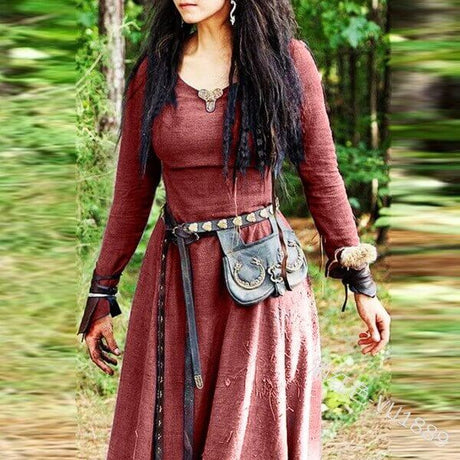
Norse brides avoided rigid white gowns. Instead, they wore layered dresses made from wool, linen, or silk, dyed in rich shades like blue, crimson, green, or yellow.
- The Dress: A long, flowing under-garment paired with a strap apron dress (hangerock).
- Jewelry: Oval bronze or silver brooches secured the apron straps, while beaded necklaces hung between them.
- The Bridal Crown: The centerpiece of bridal attire was a heavy crown made of metal, wood, or woven evergreen branches. Family heirlooms featured silver, stones, and river pearls.
- Hairstyling: Hair represented personal power and status. Brides wore elaborate braids intertwined with ribbons, flowers, or silver threads.
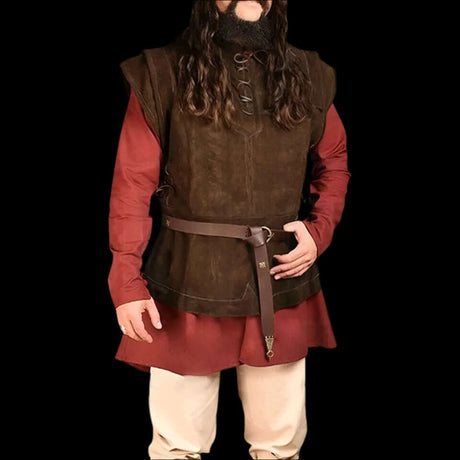
Groom Attire
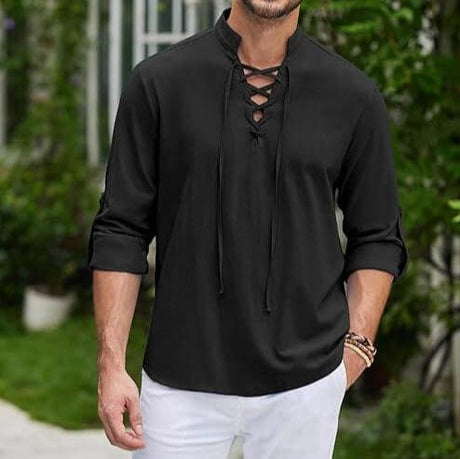
The groom dressed in practical, dignified clothes designed for movement and celebration.
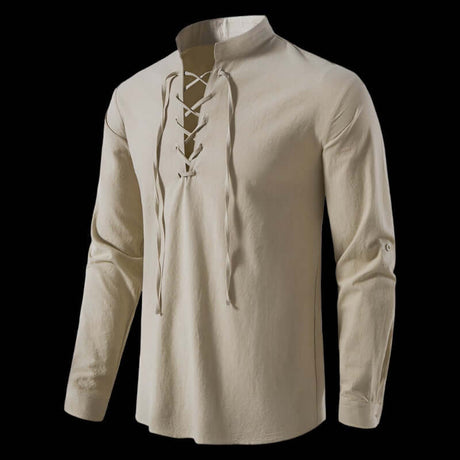
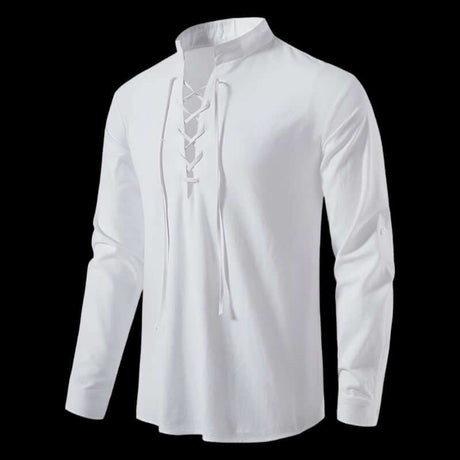
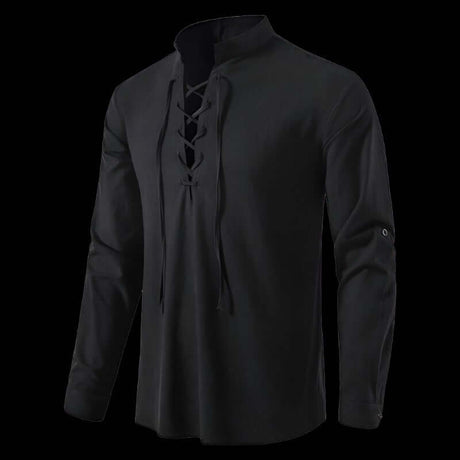
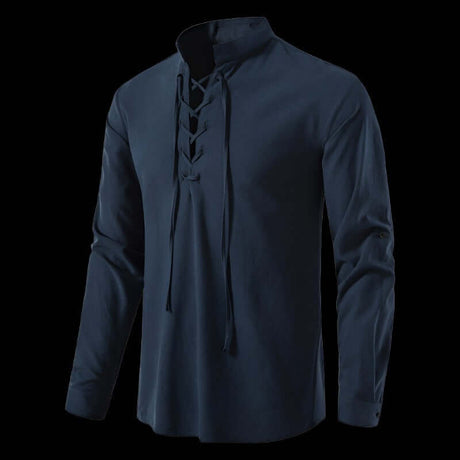
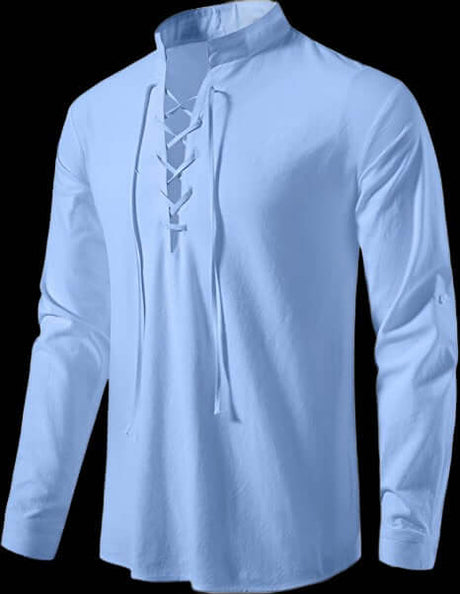
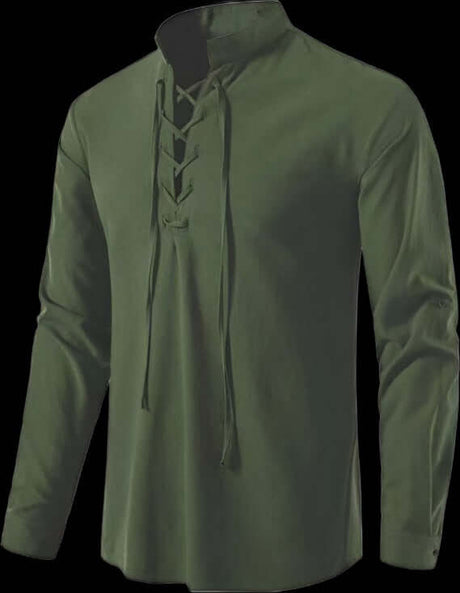
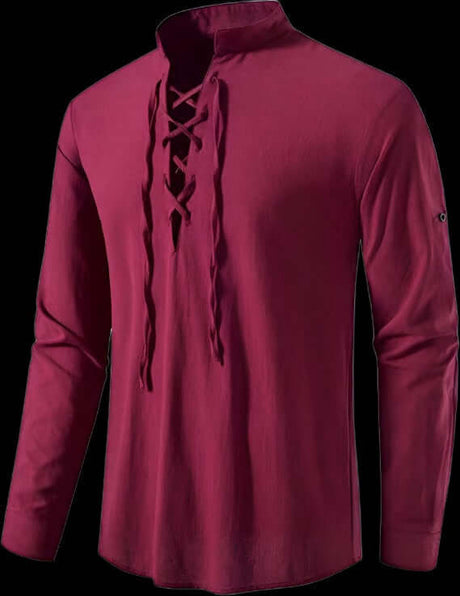
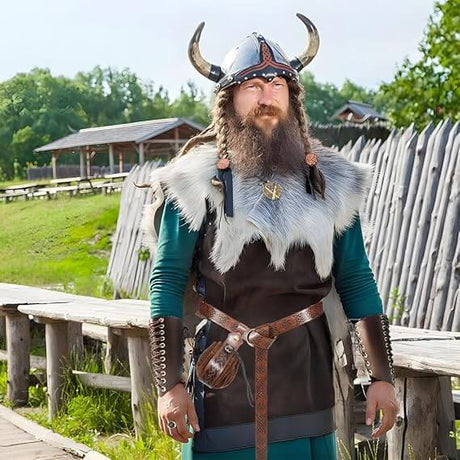
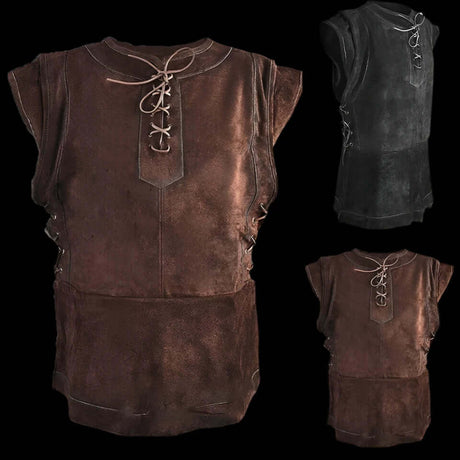
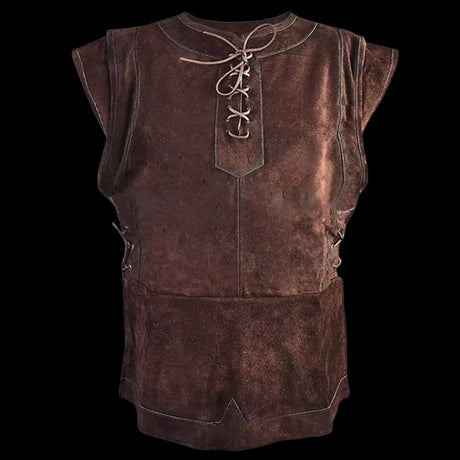
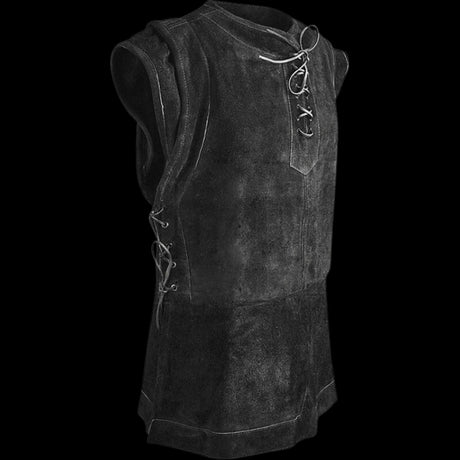
- The Tunic: A knee length tunic made of linen or fine wool, featuring braided trim along the neckline and cuffs.
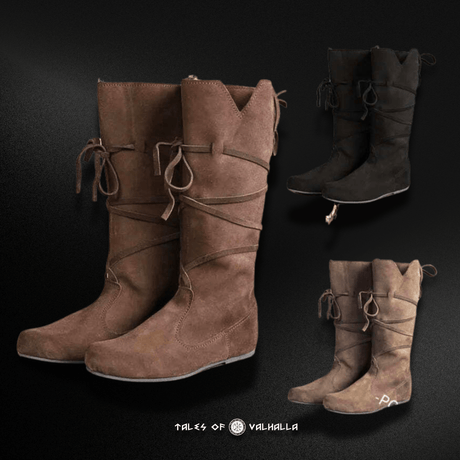
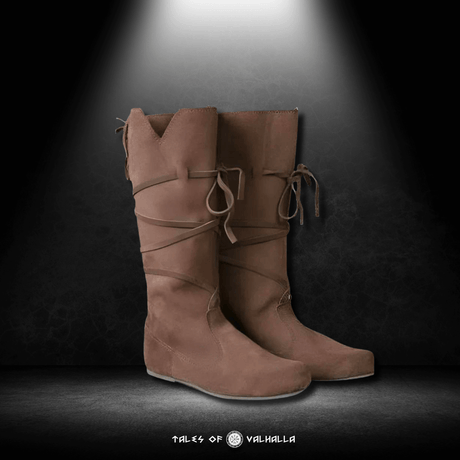
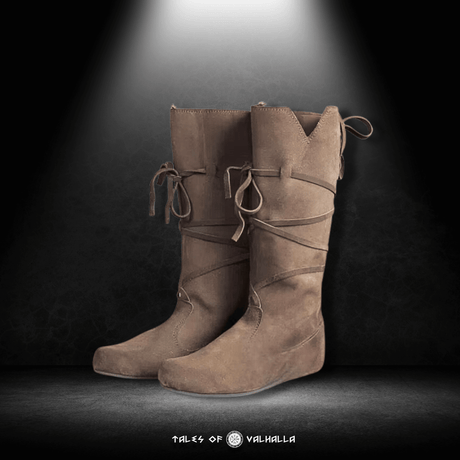
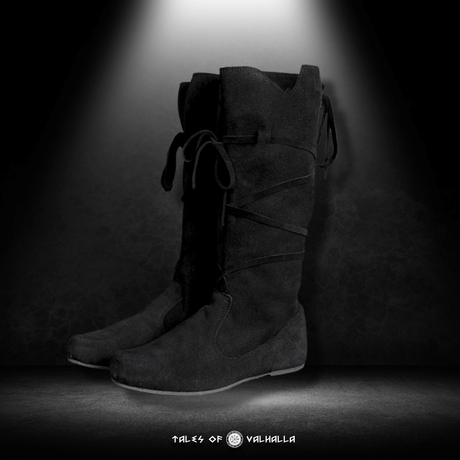
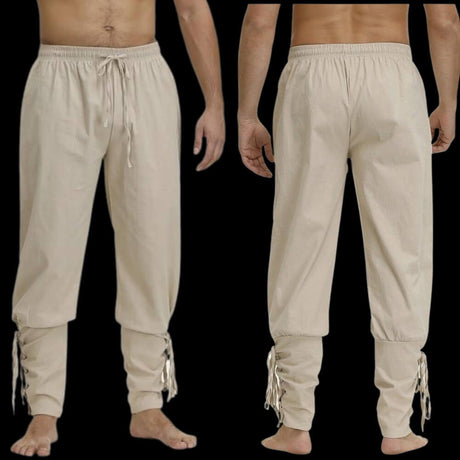
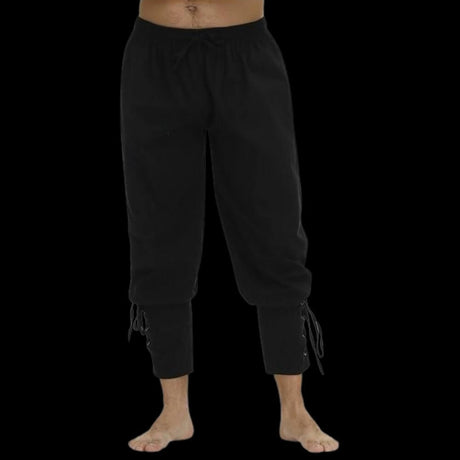
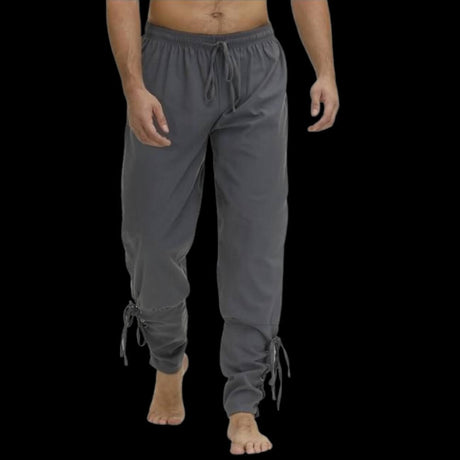
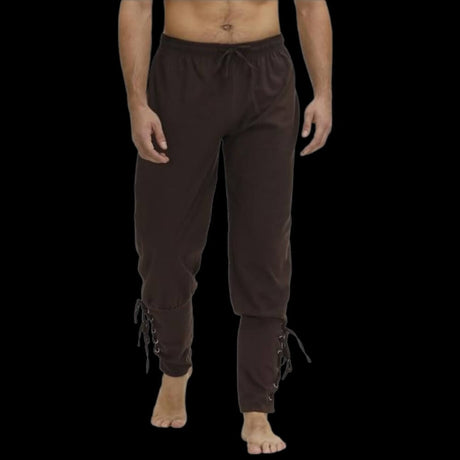
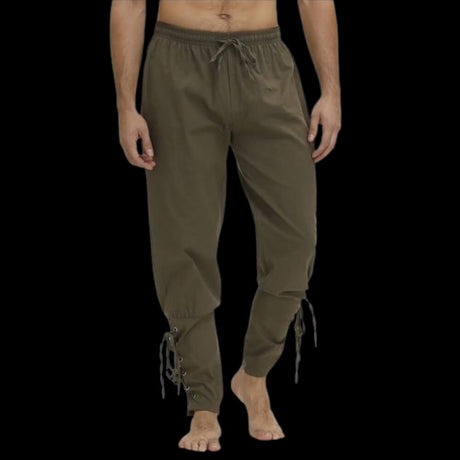
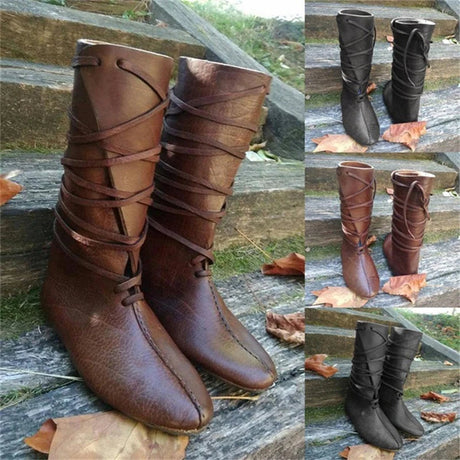
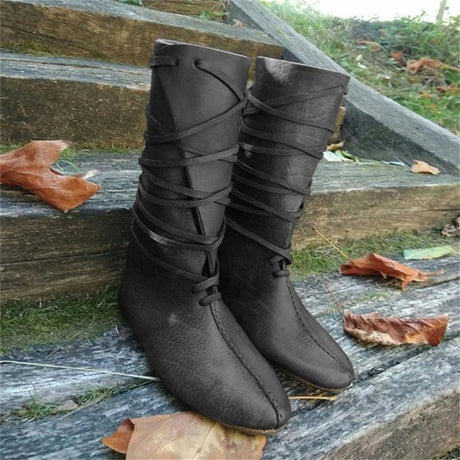
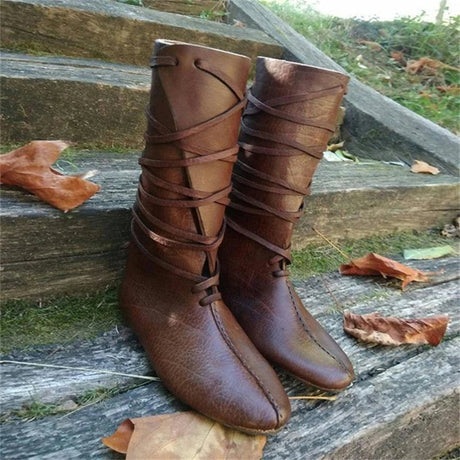
- Trousers and Footwear: Wool trousers secured with leg bindings (winnigas) and supple leather boots.
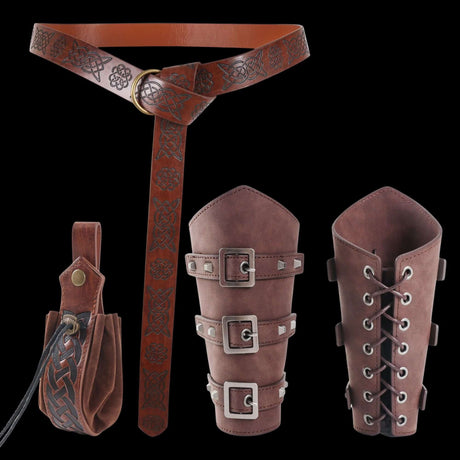
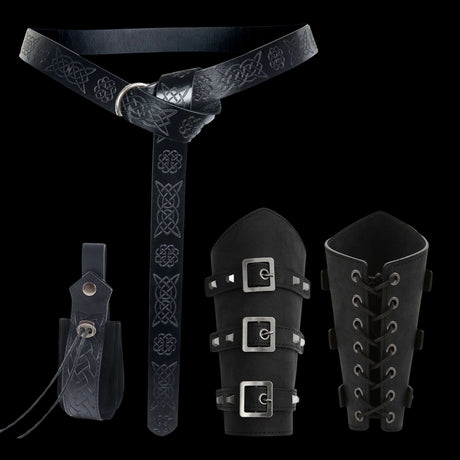
- Belt and Accessories: A carved leather belt held a utility pouch, a decorative dagger, and a horn hook.
- Beard and Hair: Men kept their hair and beards washed, combed, and neatly braided using silver beard rings.
Statistical Insights: The Rise of Alternative Ceremonies
Modern couples increasingly choose non-traditional themes for their big day. Recent industry data shows growing interest in outdoor, historic, and nature-focused celebrations like a Viking Wedding.
| Survey Metric | Percentage / Statistic | Source / Survey Focus |
| Couples choosing non-traditional wedding themes | 68% | Modern US Bride Survey |
| Outdoor or nature based venue preferences | 52% | National Wedding Industry Report |
| Incorporation of handfasting or custom rituals | 41% | Independent Officiant Association |
| Demand for custom artisan wedding rings | 34% | Jewelry Consumer Trend Report |
Food, Feast, and Sumbel: The Norse Celebration
No Viking Wedding was complete without a multi-day feast filled with hearty food, music, and ritual drinking.
              [ The Structure of a Norse Wedding Feast ]
                                   |
      +----------------------------+----------------------------+
      |                                                         |
[ Food & Abundance ]                                     [ Sacred Toasts ]
  * Roasted meats (pork, beef, venison)                    * The Sumbel Ritual
  * Root vegetables, berries, and nuts                     * Toast to Odin & Freyja
  * Fresh artisan round breads                             * Toast to Ancestors & Honor
  * Freshly brewed Bride-Ale & Mead                        * Personal Oaths & Feats
The Bride-Ale and Sumbl Ritual
Drinking held sacred value in Norse culture. The bride opened the reception by presenting the bride-ale or honey mead to her new husband in a carved horn, speaking a formal blessing.
The guests then participated in the Sumbl, a structured drinking ritual divided into three distinct rounds:
- The First Round: Dedicated to the gods, thanking Odin for wisdom and Freyja for fertility.
- The Second Round: Dedicated to honor ancestors, fallen heroes, and departed family members.
- The Third Round: Open for personal toasts, poetry, vows, and stories of bravery from the guests.
Food and Setting
Norse feasts featured rich, seasonal comfort foods served on wooden platters:
- Meats: Roasted pork, venison, beef, and smoked fish.
- Produce: Root vegetables, stewed apples, wild berries, and hazelnuts.
- Breads: Coarse barley bread served with fresh cultured butter.
- Beverages: Spiced mead, dark ale, and berry wines.
Decorate your venue with long wooden trestle tables, sheepskin seat covers, iron lanterns, and centerpieces made from greenery, pinecones, and antlers.

Food, Feast, and Sumbel: The Norse Celebration
Comparing Wedding Traditions Through History
Understanding how a Viking Wedding compares to other historic traditions highlights its focus on community, nature, and practical partnership.
| Feature | Viking Wedding | Medieval European Wedding | Modern American Wedding |
| Primary Focus | Family alliance and oath-bound legal union | Religious sacrament and social standing | Romantic commitment and personal celebration |
| Key Symbol | Sword and ring exchange | Exchange of gold bands | Diamond rings and written vows |
| Primary Ritual | Handfasting and the Sumbl toasts | Church mass and blessings | Unity candle, sand pouring, or handfasting |
| Ideal Venue | Forest clearings, shorelines, or longhouses | Stone churches and cathedrals | Event venues, ballrooms, or parks |
| Attire Style | Layered tunics, cloaks, and bridal crowns | Formal gowns and doublets | White bridal gown and dark tuxedo |
Modern Adaptations: Planning Your Own Viking Wedding
You can easily adapt historic Norse customs for a modern celebration. Use these practical strategies to plan your event:
[ Choose a Forest or Rustic Venue ] ---> [ Craft Custom Handfasting Cords ]
                                                 |
                                                 v
 [ Curate a Viking-Inspired Menu ] <--- [ Incorporate Sword & Ring Rituals ]
1. Select the Ideal Venue
Host your event outdoors surrounded by natural scenery. Look for pine forests, mountain view parks, rustic wooden barns, or historic stone lodges.
2. Design Custom Handfasting Cords
Craft a personalized cord using leather strips, colored ribbons, or braided linen. Choose colors that represent your shared values:
- Red: Passion, strength, and courage.
- Blue: Fidelity, truth, and peace.
- Gold: Prosperity, warmth, and wisdom.
- Green: New beginnings, growth, and fertility.
3. Source Drinking Horns and Artisan Mead
Gift carved cattle drinking horns to your wedding party and guests. Fill them with locally sourced honey mead or craft ale for the toast.
4. Create an Outdoor Environment
Use fire pits, tiki torches, and string lights to build a warm, inviting atmosphere as night falls.
Addressing Common Myths About Viking Weddings
Misconceptions about Norse history often cloud popular culture. Let's separate fact from fiction:
Myth 1: Norse Weddings Were Chaotic and Unregulated
Fact: Norse marriages followed strict legal procedures. Negotiations required witnessed contracts, clear property agreements, and community approval.
Myth 2: Women Had No Say in Marriage
Fact: While family elders arranged proposals, Norse women held substantial social and legal rights. A bride could reject a marriage proposal if the suitor lacked financial standing or character. Norse law also allowed women to request a divorce and reclaim their dowry.
Myth 3: Everyone Wore Rough Leather and Fur
Fact: The Norse valued vibrant colors, fine textiles, and clean grooming. Wealthy families wore imported silk, silver thread embroidery, and bright dyes for special occasions.
Creating Lasting Memories of Your Union
A Viking Wedding offers more than a unique aesthetic. It grounds your celebration in history, nature, and community support. By weaving sword exchanges, handfasting, and sacred toasts into your ceremony, you create a powerful experience that your guests will talk about for years.
Honor the traditions that resonate with you, adapt old customs for modern comfort, and celebrate your new beginning surrounded by the people who matter most.
Conclusion: The Unbroken Flight of Love and Honor
Creating a wedding grounded in ancient history allows you to step away from predictable, cookie-cutter trends. A Viking Wedding connects your modern love story to a timeless tradition of strength, loyalty, and community.
As you stand beneath the trees, exchange ancestral swords, and bind your hands with leather cords, you step onto a path carved out by centuries of history. These ancient vows remind us that love is an enduring partnership built on shared courage, mutual respect, and lasting honor.
May your own journey echo through time, earning a proud place among the grand tales of valhalla.