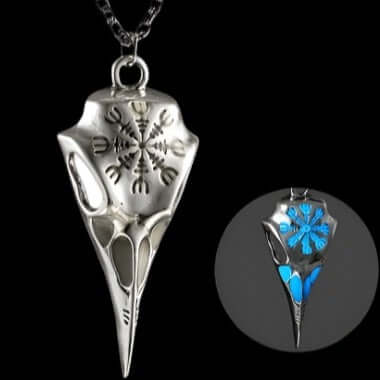
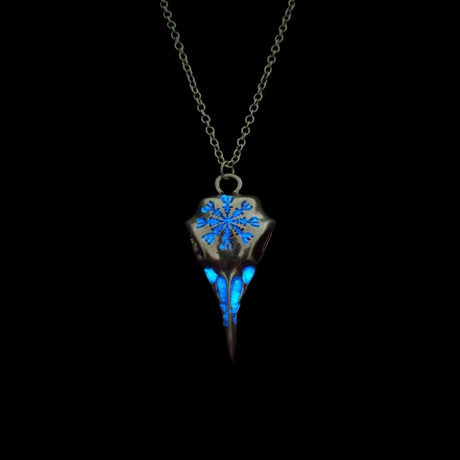
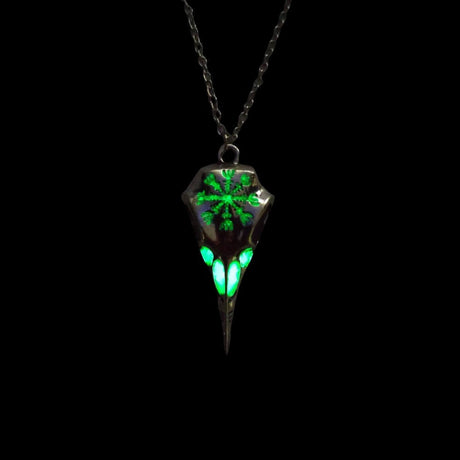
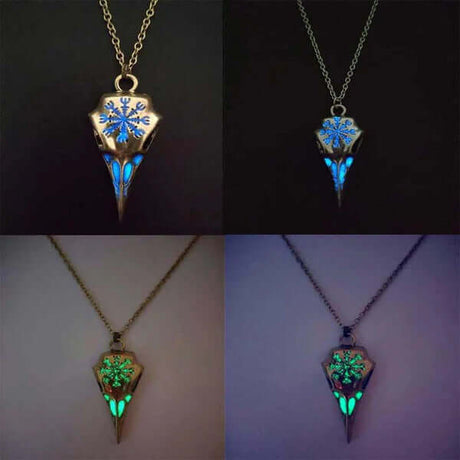
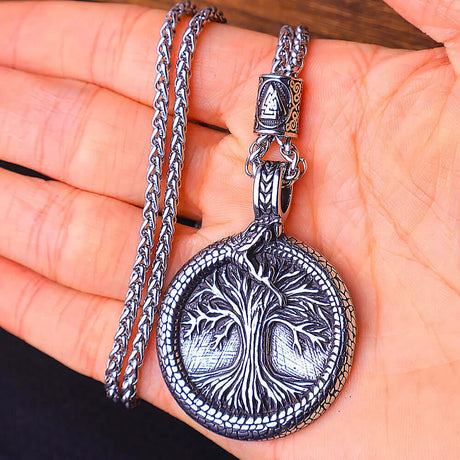
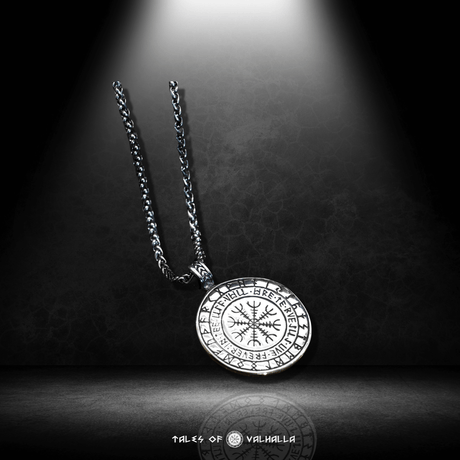
When you think of a Viking, your mind likely conjures images of fierce warriors, salt-sprayed longships, and the glint of sharpened axes. But look closer at the archaeological record, and you will find something else shimmering in the mud of history: Vikings jewelry.
From the fjords of Norway to the bustling settlements of the Danelaw in England, the Norse people were obsessed with ornamentation. But for them, a silver arm ring or a bronze brooch wasn't just a fashion statement. These pieces were "wearable wealth," spiritual talismans, and social ID cards all rolled into one.
For history enthusiasts in the United States, understanding Vikings jewelry is the key to moving past the "barbarian" stereotype. It reveals a culture of immense artistry, complex economics, and deep-seated faith. Today, we’re going to unfurl the scrolls of the past to see what they wore, how they made it, and why these artifacts still resonate with us in the modern world.
More Than Just Bling: The Function of Vikings Jewelry
In the Viking Age, life was fluid. You might start the year as a farmer in Scandinavia and end it as a trader in Constantinople. Because of this mobility, Vikings jewelry served a highly practical purpose.
Wearable Currency
The Vikings operated largely on a "bullion economy." They didn't always have access to minted coins, so they used their jewelry as money. If a Viking needed to buy a horse or pay a debt, they would simply snip a piece off their silver arm ring or necklace. Archaeologists call this "hack silver."
When you look at a piece of Vikings jewelry in a museum today, you might notice deep nicks or missing segments. These aren't signs of damage; they are the marks of a successful transaction.
Social Status and Allegiance
Jewelry was the LinkedIn profile of the 10th century. A massive, intricate gold brooch told everyone you encountered that you were a person of high status, likely connected to a powerful Jarl (earl) or King. Conversely, simple iron or bone pieces were the marks of the common folk or even the enslaved.
The Primary Types of Vikings Jewelry
The variety of Norse ornamentation was staggering. While they didn't wear earrings (a curious omission in their culture), almost every other part of the body was fair game for decoration.
1. Brooches: The Workhorses of Fashion
Brooches were arguably the most common type of Vikings jewelry. They were functional necessities used to fasten cloaks and dresses.
Oval Brooches (Tortoise Brooches): Almost exclusively worn by women, these were worn in pairs to secure the straps of an apron-dress (hangrock).
Penannular Brooches: These large, ring-shaped pins were popular among men for fastening heavy wool cloaks at the shoulder.
2. Arm Rings and Neck Rings
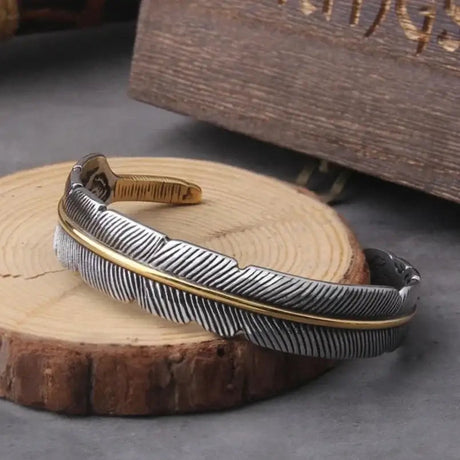
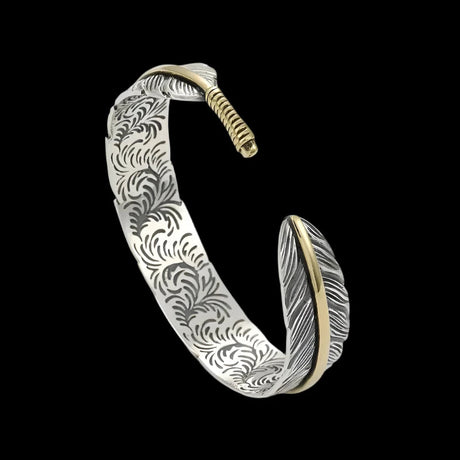
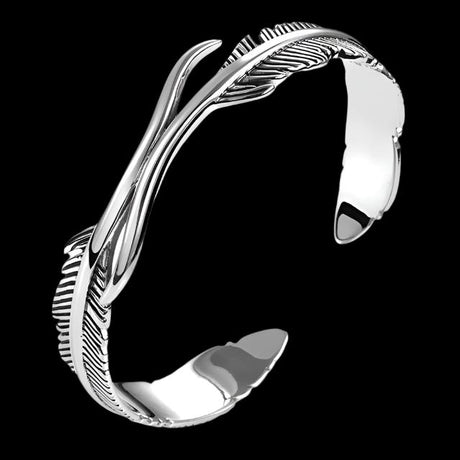
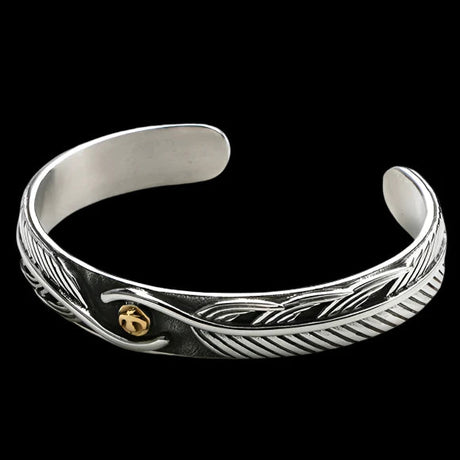
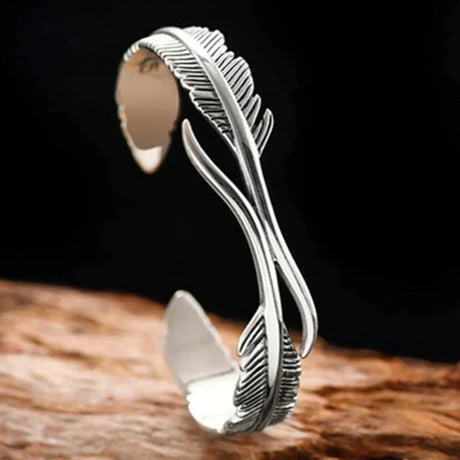
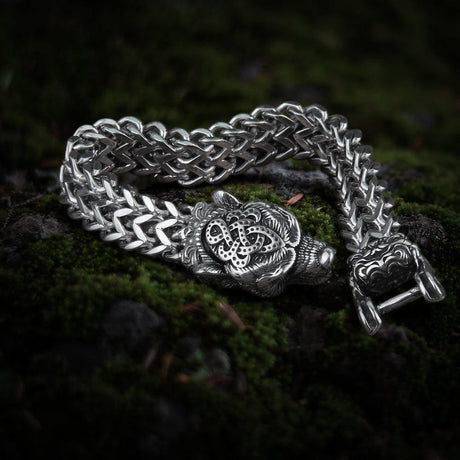
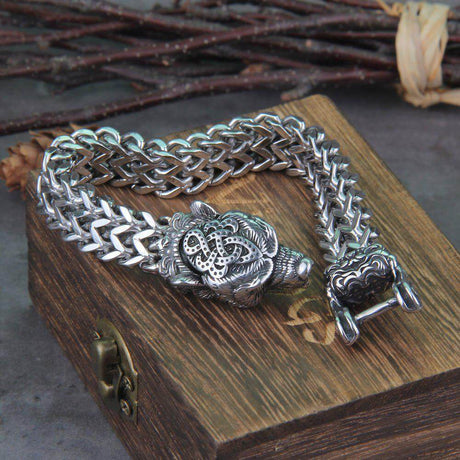
Arm rings are perhaps the most iconic form of Vikings jewelry. In the sagas, they are often referred to as "oath rings." A leader would bestow an arm ring upon a loyal warrior as a symbol of their bond. Breaking that bond was considered a spiritual catastrophe.

Arm Rings and Neck Rings
3. Pendants and Amulets
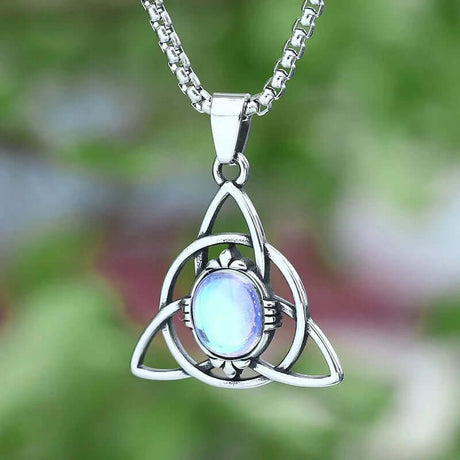
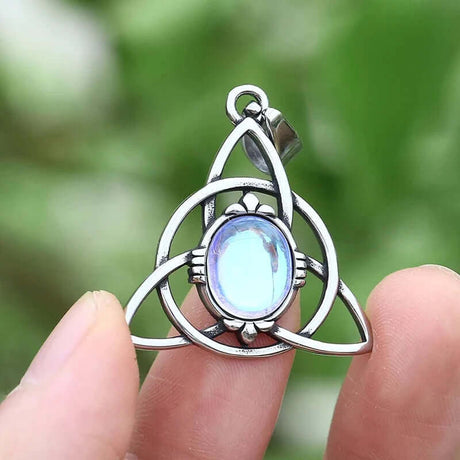
This is where the spiritual world of the Norse comes to life. Pendants were worn to invoke the protection of the gods.

Pendants and Amulets
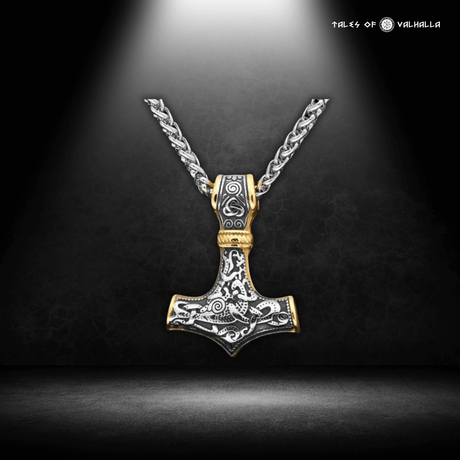
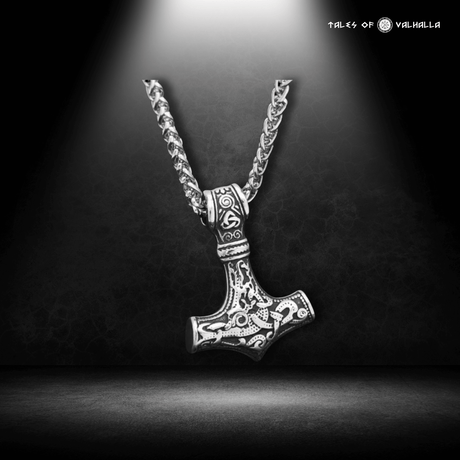
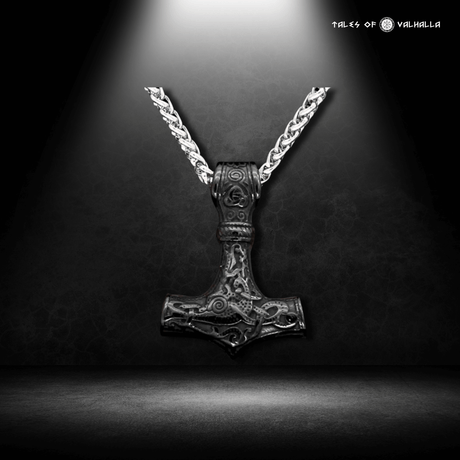
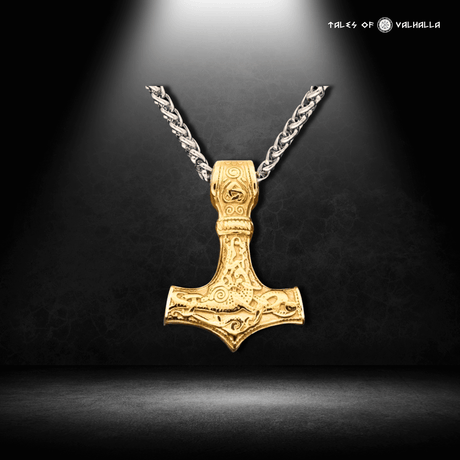
- Mjölnir (Thor’s Hammer): By far the most popular pendant, representing protection and strength.
- Valknut: Often associated with Odin and the transition between life and death.
- Crosses: As the Viking Age progressed and Christianity spread, it wasn't uncommon to see a Viking wearing both a Thor’s hammer and a Christian cross—just to cover all their bases!
Materials and Statistics: What Was It Made Of?
The material used in Vikings jewelry was a direct reflection of a person's reach and success. Through trade and raiding, the Vikings funneled silver from the Islamic Caliphate, gold from the Byzantine Empire, and amber from the Baltic into their workshops.
Distribution of Materials in Archaeological Finds
While exact numbers vary by site, we can look at the general distribution of materials found in major Viking hoards across Northern Europe.
| Material | Prevalence | Typical Use | Social Significance |
| Silver | 70% | Arm rings, coins, hack-silver | The standard of trade; universal wealth. |
| Bronze | 20% | Everyday brooches, belt fittings | The "middle class" metal; durable and shiny. |
| Gold | 5% | Elite neck rings, intricate filigree | Reserved for royalty and high-ranking Jarls. |
| Amber/Glass | 5% | Beads, small amulets | Often imported; used for color and spiritual luck. |
Silver was the undisputed king of the Viking Age. The famous "Spillings Hoard" found in Sweden contained over 147 lbs of silver, much of it in the form of Vikings jewelry.
The Art of the Craft: Viking Design Styles
The Vikings were master metalworkers. They didn't just cast metal; they used techniques like filigree (soldering tiny beads or threads of gold/silver) and granulation. Their art was characterized by "animal style"—intertwining limbs of beasts that seem to squirm and breathe on the surface of the metal.

A Deep Dive into Vikings Jewelry and Why It Still Matters
Anecdote: The Master Smith of Hedeby
Imagine a workshop in the 9th-century trading hub of Hedeby. The air is thick with the smell of charcoal and beeswax. A master smith is using the "lost wax" casting method. He carves a beautiful, knot-work dragon into a piece of wax, encases it in clay, and pours molten silver into the mold.
When the clay is cracked open, a unique piece of Vikings jewelry is born. These weren't mass-produced; each piece had the "hand" of the creator in it. This level of craftsmanship is why a 1,000-year-old Viking ring can still look modern and stylish today.
Why Does It Matter Today?
Why are we still talking about Vikings jewelry in the United States in 2026? It’s because these objects are the most intimate connection we have to the individuals of the past.
A Connection to Identity
For many, wearing a reproduction of Vikings jewelry is a way to reclaim heritage. In a world that feels increasingly disconnected, these symbols provide a sense of rootedness. Whether it's a Thor's hammer or a simple braided ring, these pieces carry the weight of ancestral survival and curiosity.
The Influence on Modern Design
From high-end jewelry houses to "Lord of the Rings" aesthetics, Viking design is everywhere. The clean lines, the use of geometry, and the symbolic "storytelling" found in Vikings jewelry have deeply influenced modern Western fashion.
Counter-Arguments: Was It All Stolen?
A common perspective is that all Vikings jewelry was the result of "Viking raids" and plunder. While it is true that many monasteries were stripped of their gold and silver, this is only half the story.
The Vikings were, above all else, traders.
- Much of the silver used in their jewelry was obtained through the exchange of furs, amber, and even walrus ivory in the markets of the East.
- By labeling all their jewelry as "plunder," we ignore their sophisticated mercantile networks that stretched from the North Atlantic to the Silk Road.
Anatomy of a Hoard: Real-Life Examples
In 2007, a father and son using metal detectors in Harrogate, England, found a lead container. Inside was a treasure trove that redefined our understanding of the era. The Vale of York Hoard contained 617 silver coins and 65 pieces of Vikings jewelry.
What made this find special was its diversity. It contained items from Ireland, Russia, and Central Asia. This hoard proves that Vikings jewelry wasn't just local craft; it was a collection of a world-traveler’s experiences. Each ring was a souvenir of a life lived across borders.
Choosing Your Own Viking-Style Piece
If you are looking to incorporate Vikings jewelry into your own life, it helps to know what the symbols represent.
- The Arm Ring: Represents loyalty and a commitment to your word.
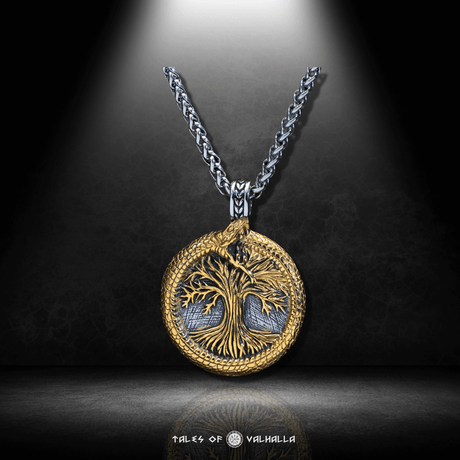
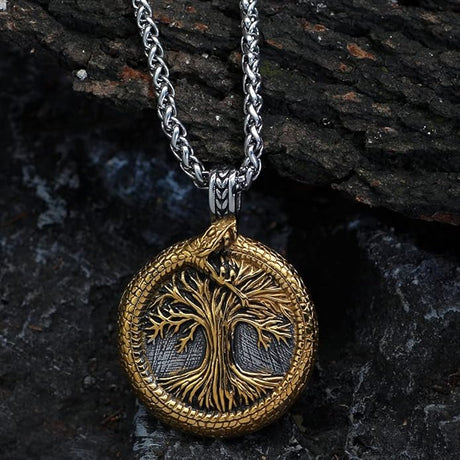
- The Tree of Life (Yggdrasil): Represents the interconnectedness of all things—perfect for those who value nature.
- The Raven: Associated with Odin’s ravens, Huginn and Muninn (Thought and Memory), symbolizing wisdom and intelligence.
When you wear these pieces, you aren't just wearing an accessory; you are wearing a piece of a philosophy that valued courage, hospitality, and the pursuit of glory.
Future Projections: Archaeology in the Digital Age
As we move forward, new technology like Lidar and X-ray fluorescence is allowing us to find and analyze Vikings jewelry without even digging it up. We are discovering that Viking women often held significant economic power, indicated by the high-quality scales and silver jewelry found in their graves.
The future of Viking studies is bright, and it’s shining with the luster of ancient silver.
Conclusion: The Luster of the North
Vikings jewelry is so much more than an ancient curiosity. It is the physical manifestation of a people who were as artistic as they were adventurous. These rings and brooches tell us that the Norse valued beauty, rewarded loyalty, and understood the world as a vast, interconnected marketplace.
Whether they were melting down stolen coins to make a gift for a spouse or using a silver chain to buy passage on a ship, the Vikings used jewelry to navigate their world. Today, these pieces continue to inspire us, reminding us of a time when the things we wore carried our history, our wealth, and our souls.
These are the tales of valhalla that we can touch and feel. They remind us that while the empires of the past may fall, the art they left behind remains untarnished by time.
"Tales of Valhalla is an expert chronicler of the Viking Age, blending scholarly research with master storytelling to revive the Old North. From the hidden depths of Norse mythology to the tactical grit of the sagas, they provide authentic, rich insights into the warriors, leaders, and legends that forged history." - Specialist in Norse mythology and Viking history