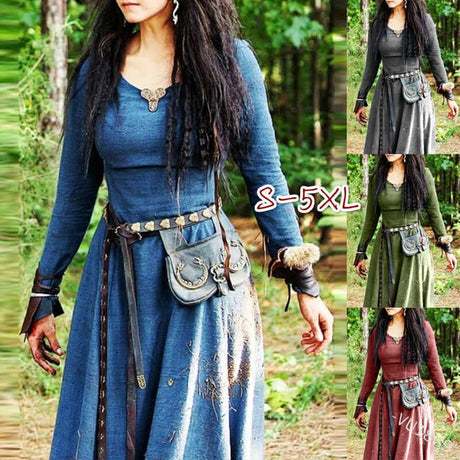
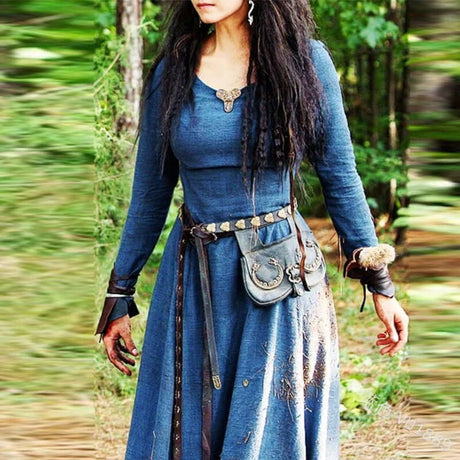
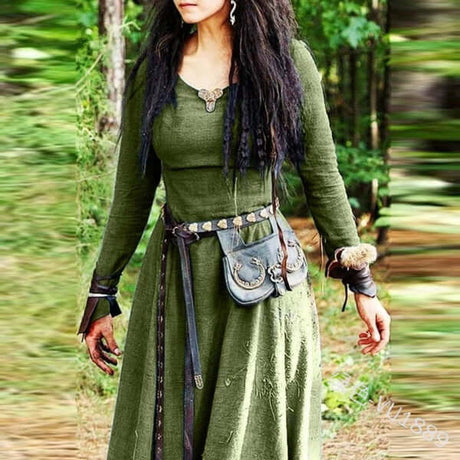
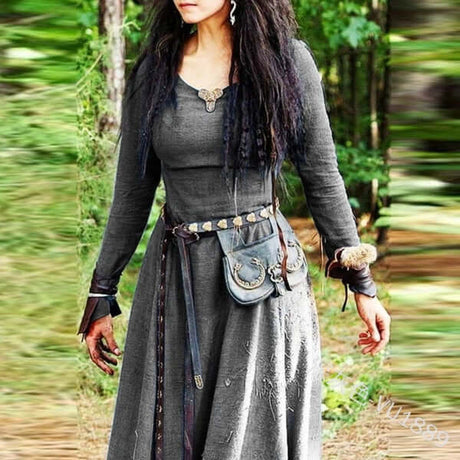
Strip away the cinematic mud, heavy leather, and fantasy horned helmets, and a far more fascinating picture of the medieval Norse people begins to emerge.
Popular culture, Hollywood movies, and video games have spent decades promoting a single, dramatic stereotype of the medieval Norse raider: hulking, mud-splattered barbarians with horned helmets, unkempt long hair, and wild eyes. While these cinematic portrayals make for thrilling entertainment, they frequently obscure the far more fascinating, diverse, and human reality.
When people in the United States ask what did Vikings look like, the true answer lies in a nuanced blend of bioarchaeological science, skeletal height data, high-protein nutrition, sophisticated textile production, and a strong cultural dedication to personal grooming.
Today, we will take a deep, comprehensive look into the physical appearance of the Norse people during the Viking Age (c. 793–1066 CE). We will analyze skeletal evidence, dissect physical builds and complexions, explore everyday clothing and armor, address common myths like horned helmets, and examine why personal presentation mattered deeply in medieval Scandinavian society.
Physical Scale and Build: How Tall and Strongly Built Were They?
To answer what did Vikings look like, we must first address physical size and stature. Modern popular perception often assumes medieval people were tiny compared to modern populations, while simultaneously picturing Norse warriors as huge giants. The truth sits right in the middle.

What Did Vikings Look Like in Real Life?
Bioarchaeological studies analyzing over 6,000 Early Medieval skeletons across Northern Europe reveal that the average Norse man stood approximately 5 feet 8 inches (173 cm) tall, while the average Norse woman stood around 5 feet 2 inches (157 cm).
+-------------------------------------------------------------------------+
|                    EARLY MEDIEVAL HEIGHT COMPARISONS                    |
|                                                                         |
|  Norse Male Average:      [ 5 ft 8 in / 173 cm ]                        |
|  Norse Female Average:    [ 5 ft 2 in / 157 cm ]                        |
|  Grave Male w/ Weapons:   [ 5 ft 9 in - 5 ft 10 in / 175-178 cm ]       |
|  Continental Peasant:     [ 5 ft 5 in - 5 ft 6 in / 165-168 cm ]        |
|                                                                         |
|  Key Insight: Norse populations matched modern height baseline better   |
|  than overcrowded, grain-dependent continental European peasants.       |
+-------------------------------------------------------------------------+
While 5 feet 8 inches matches modern baseline heights reasonably closely, it made the Norse notably taller than many of their continental European contemporaries. Feudal peasants in France, Britain, or Germany lived in higher population densities, suffered frequent crop blights, and relied heavily on grain-based diets with low protein levels.
In contrast, the lower population density of Scandinavia and a diet rich in dairy, cattle, wild game, and ocean fish provided superior childhood nutrition, allowing the Norse to achieve greater physical height and bone density.
High-Status Warriors and Athletic Self-Selection
Interestingly, bioarchaeologists have observed that skeletons unearthed in graves containing weapons tend to be one to two inches taller than skeletons buried without military gear.
This height disparity stems from two primary factors:
-
Socioeconomic Status: High-status families possessed greater wealth, access to meat, and better living conditions, resulting in maximum childhood growth potential.
-
Athletic Selection: Individuals with natural height, leverage, and athletic gifts were more likely to enter warrior professions or be chosen for personal royal guards.
When foreign observers—such as Byzantine diplomats, monastic scribes, or Arab travelers like Ahmad ibn Fadlan—described Vikings as "tall as date palms" or "powerfully built," they were often describing elite trading cohorts and raiding parties composed of tall, well-fed individuals.
Furthermore, psychological experiments confirm that intimidated observers consistently overestimate the physical height and weight of aggressive adversaries. Facing a shield wall of energetic, armored warriors undoubtedly made them appear even larger to terrified onlookers.
Genetic Diversity: Hair Color, Eyes, and Complexions
A common misconception when asking what did Vikings look like is assuming every Scandinavian possessed fair blonde hair, piercing blue eyes, and pale skin.

Hair Color, Eyes, and Complexions
While light hair and blue eyes were certainly prevalent across Northern Europe, genetic studies and historical records confirm that the Viking world featured significant physical variety.
The Impact of Trade and Intermarriage
The Viking Age was an era of intense global mobility. Through raiding, international commerce, and colonization, the Norse integrated people from diverse geographic regions:
-
Celtic Integration: Extensive interaction with Ireland, Scotland, and Wales brought dark hair and varied complexions into the Scandinavian gene pool.
-
Slavic and Eastern Contacts: Deep trade networks along the Volga and Dnieper rivers linked Swedish Vikings (the Rus) with Slavic, Baltic, and Turkic populations.
-
Southern Travelers: Expeditions through the Mediterranean and service in the Byzantine Empire's Varangian Guard introduced wider genetic blending.
In fact, modern genomic studies of ancient Scandinavian burial sites reveal a rich genetic mosaic, proving that "Viking" was a job description and cultural identity rather than a strict biological or racial category.
| Physical Feature | Popular Myth / Stereotype | Historical & Scientific Reality |
| Average Male Height | 6 ft 2 in+ hulking giants | 5 ft 8 in (173 cm) average; broad and muscular |
| Hair & Eye Color | Exclusively golden blonde & blue | Diverse range: blonde, red, brown, and dark hair |
| Personal Hygiene | Covered in mud, filth, and blood | Meticulously clean; combed hair and weekly baths |
| Daily Clothing | All-black studded leather or fur pelts | Brightly dyed wool and linen tunics (red, blue, yellow) |
| Combat Helmets | Metal caps with large bull horns | Rounded or conical iron helmets; zero horns |
This physical data shatters the single-dimensional stereotype, replacing it with a realistic picture of an adaptable, diverse medieval population.
Grooming and Personal Presentation: Cleanliness in an Honor Culture
Perhaps the biggest contrast between cinematic fiction and historical reality lies in personal hygiene. Pop culture frequently portrays Vikings as unwashed, wild-haired barbarians. However, historical and archaeological records prove that presentation was vital to Norse society.
The Norse belonged to an intense honor culture where social status, self-respect, and public reputation (drengskapr) were expressed through personal care and clothing.
Archaeological Evidence of Daily Grooming
Excavations across Scandinavia and Viking settlements in Dublin, York, and Iceland consistently recover high quantities of personal grooming tools:
-
Intricately Carved Bone Combs: Used daily to clean and style hair and beards.
-
Tweezers and Ear-Picks: Crafted from bronze or silver for facial grooming.
-
Razors and Shears: Used to maintain trimmed facial hair and tidy hairstyles.
English chronicles famously complained that Viking men were too attractive to local Anglo-Saxon women because the Norse bathed weekly (on Saturdays, known in Old Norse as laugardagr or "bath day"), combed their hair daily, changed their clothes regularly, and used scented oils.
Hairstyles, Beards, and Dental Modification
Men generally kept their beards neatly trimmed, though styles varied by region. Poetic sources like the Rigsthula describe groomed beards and styled hair curls.
In some regions, men favored a distinctive reverse undercut—shaving the back of the neck clean while leaving long hair on top and at the front. Women wore their long hair braided, tied in elaborate topknots, or secured with fabric headbands and bonnets.
A fascinating physical detail revealed by modern physical anthropology is dental modification. Up to 10 percent of adult male skeletons examined from Sweden and Denmark display horizontal grooves deliberately filed into their front teeth. Some scholars suggest these grooved teeth were filled with dark pigment to create an intimidating appearance during battle or to mark membership in elite warrior brotherhoods.
What Did Vikings Wear? Authentic Clothing and Textiles
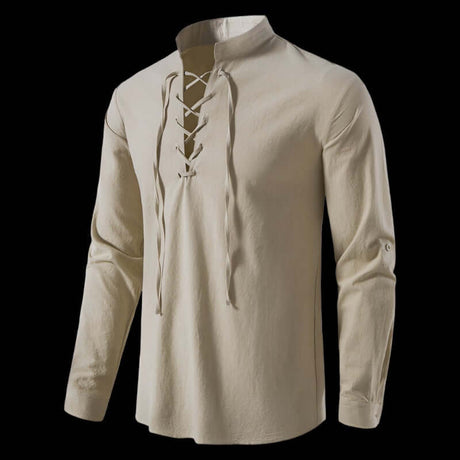
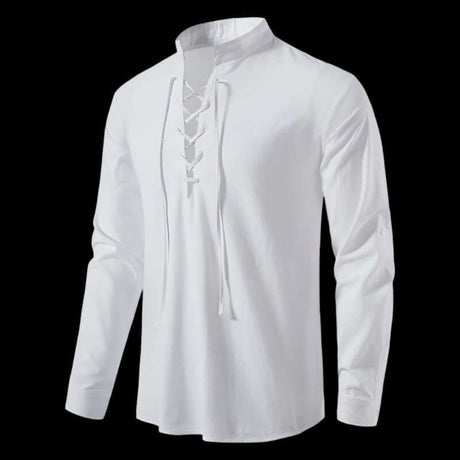
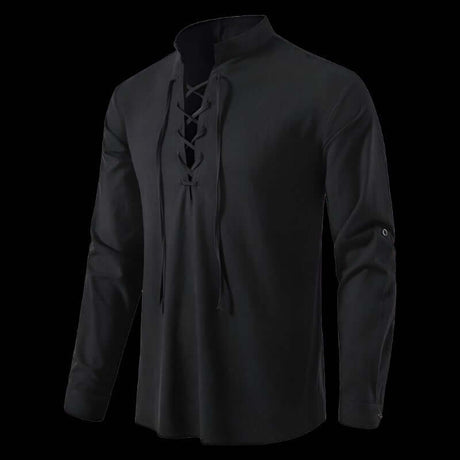
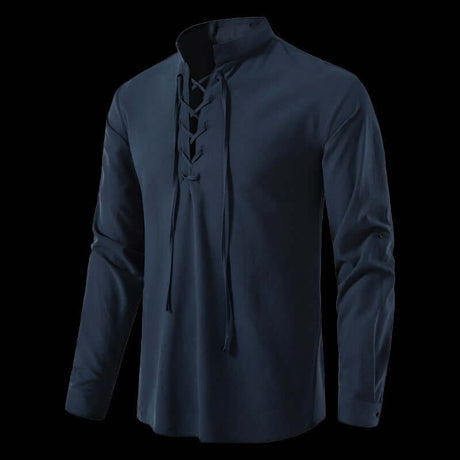
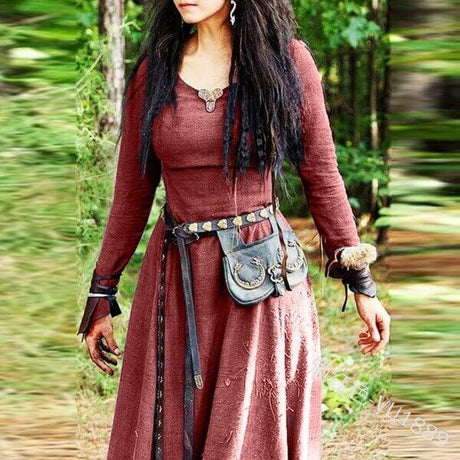
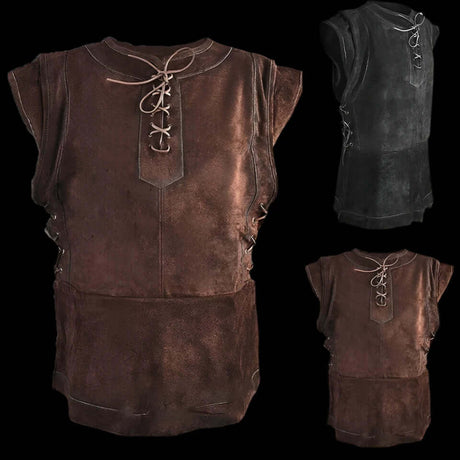
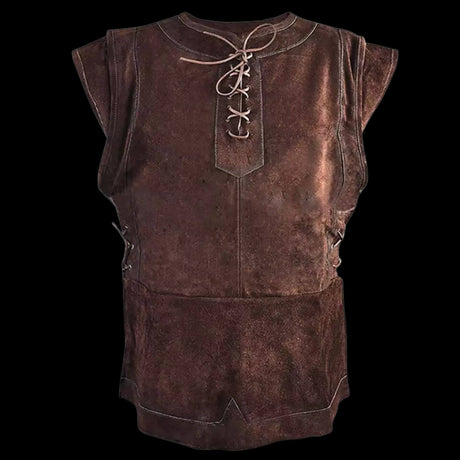
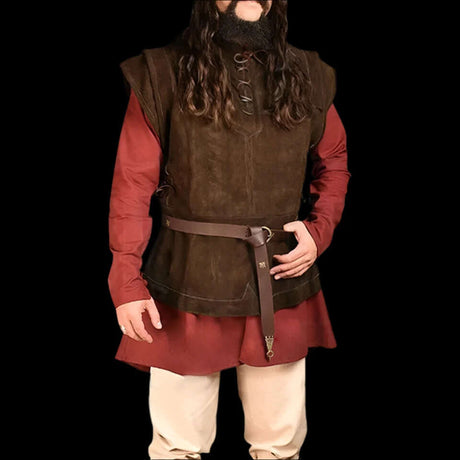
When asking what did Vikings look like, their clothing provides a rich canvas of color, craftsmanship, and social standing. Contrary to the monochrome, brown-and-black leather outfits seen on television, Vikings loved vibrant colors and fine textiles.

What Did Vikings Wear? Authentic Clothing and Textiles
Because spinning yarn and weaving cloth on warp-weighted looms required hundreds of hours of manual labor, clothing was considered valuable personal property.
Men’s Everyday Attire
-
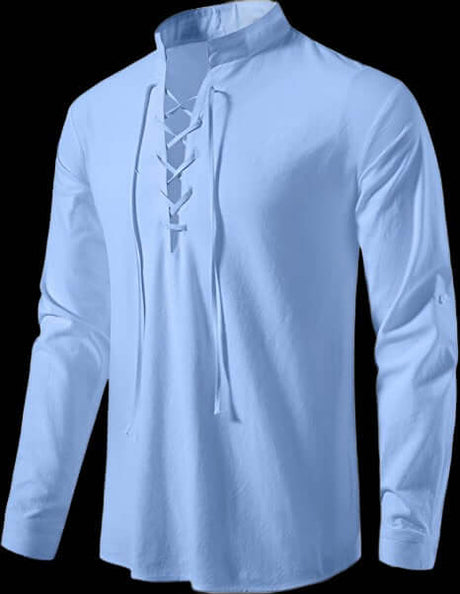
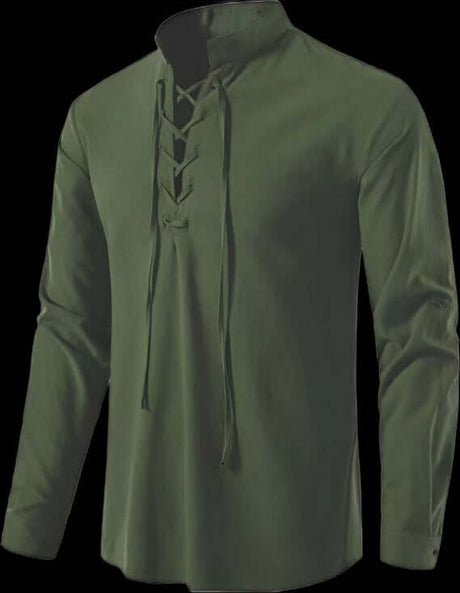
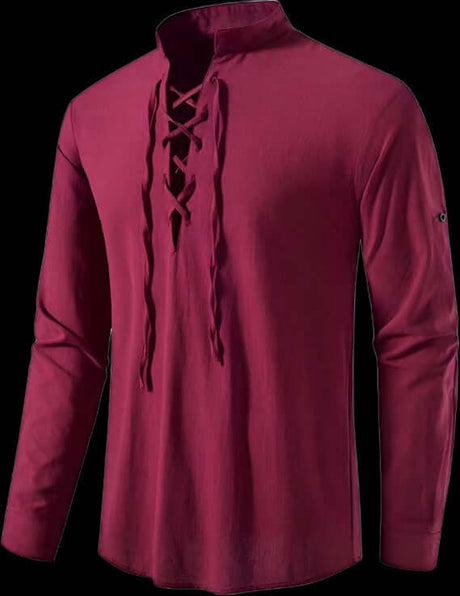
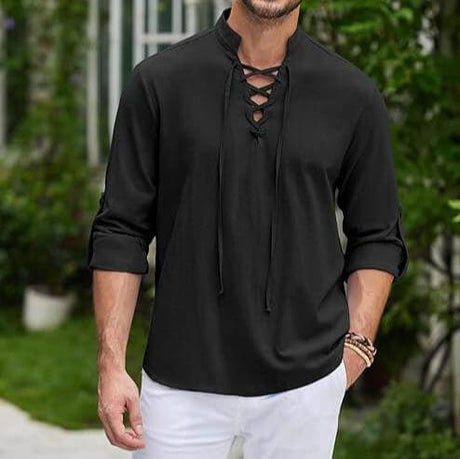
Tunics: Knee-length wool or linen tunics, often trimmed with woven decorative borders at the neck and cuffs.
-
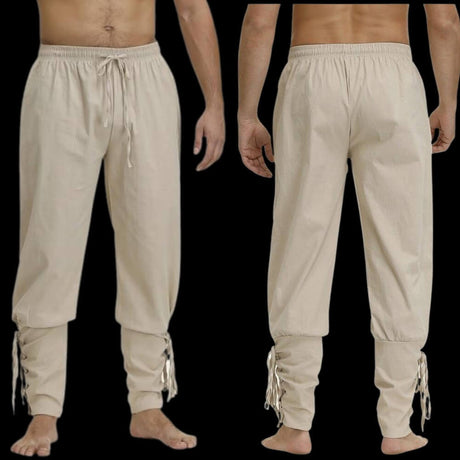
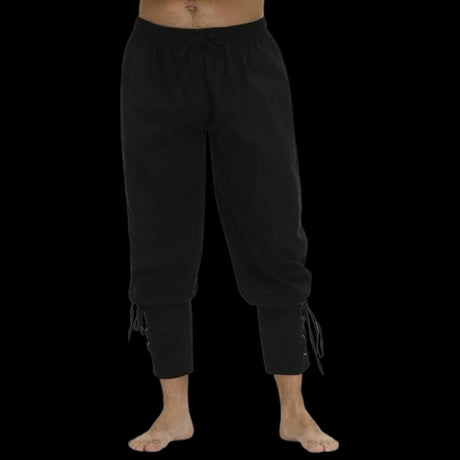
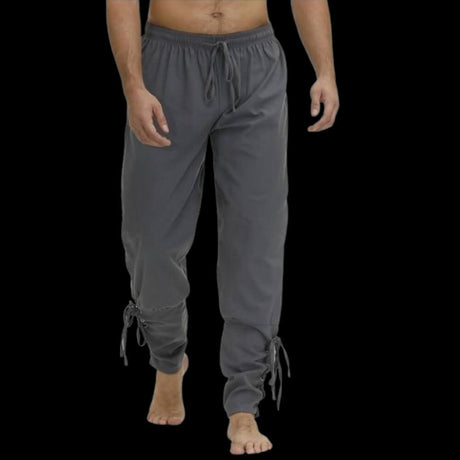
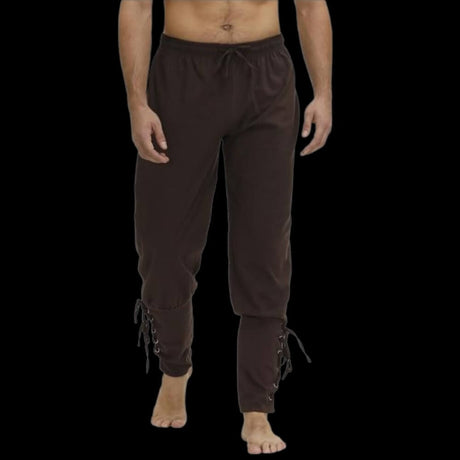
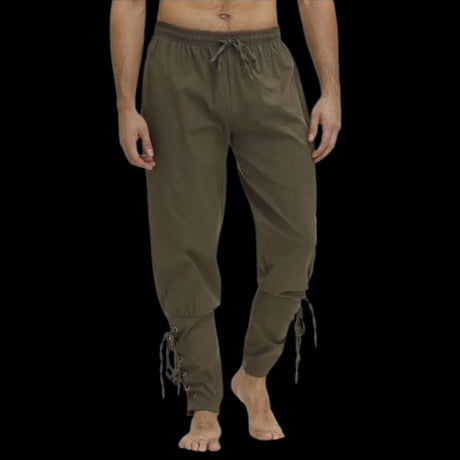
Trousers: Ranging from form-fitting pants to extremely wide, pleated baggy trousers inspired by trade contacts in the Middle East.
-
Leg Wraps (Vinnings): Long strips of woven wool wrapped around the lower legs from ankle to knee for protection and warmth.
-
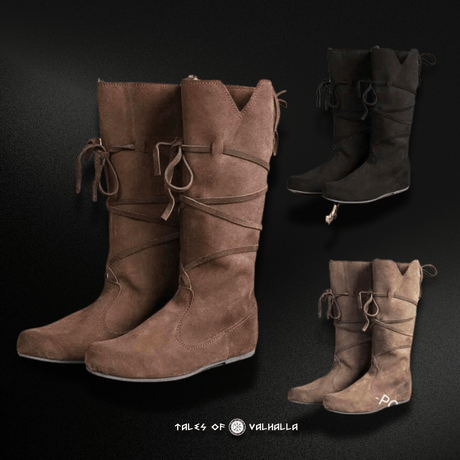
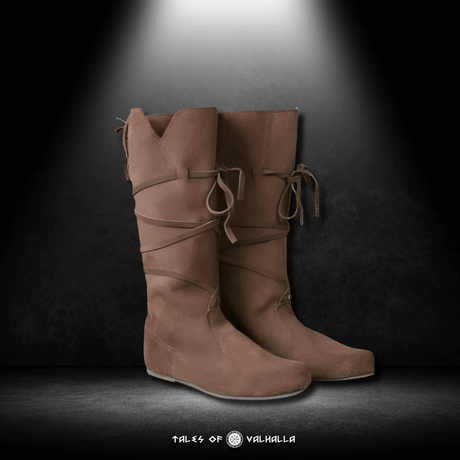
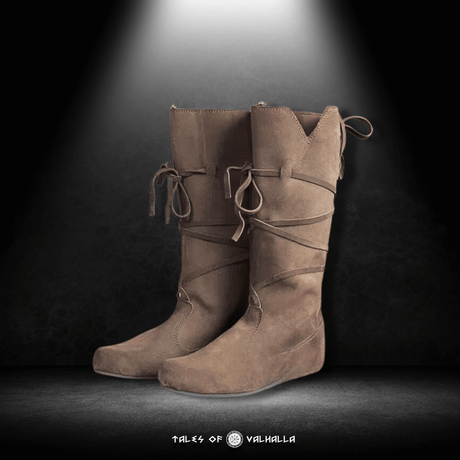
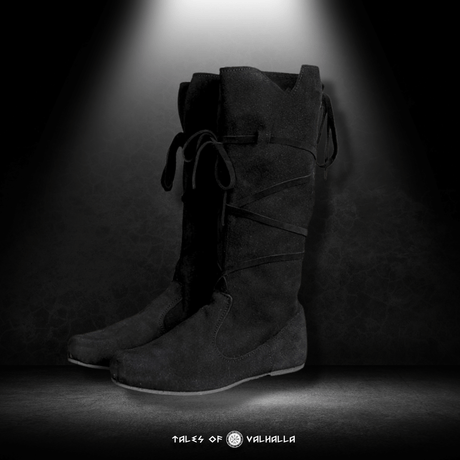
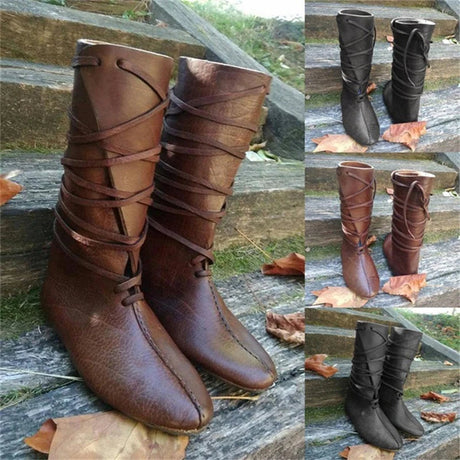
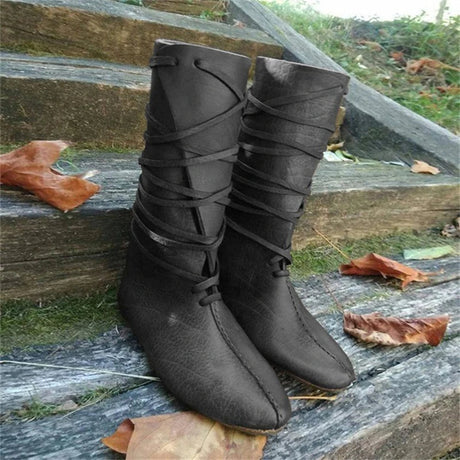
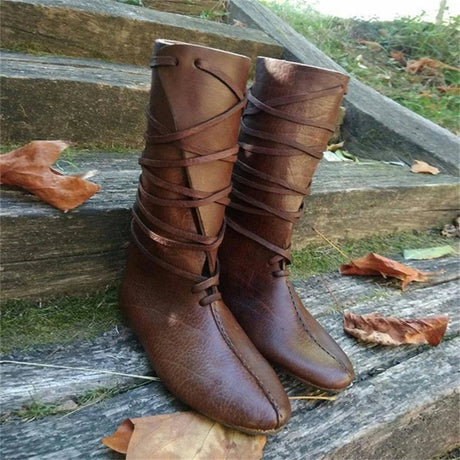
Footwear: Soft leather turn-shoes or ankle-high boots fastened with toggles or laces.
-
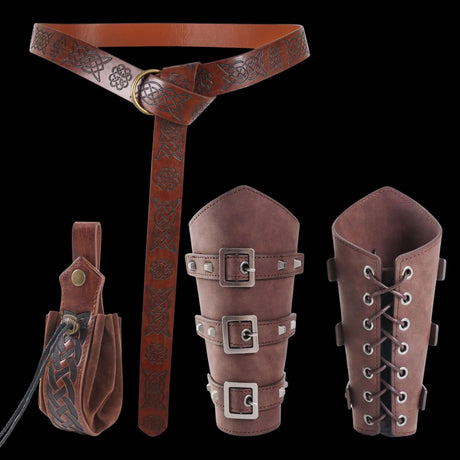
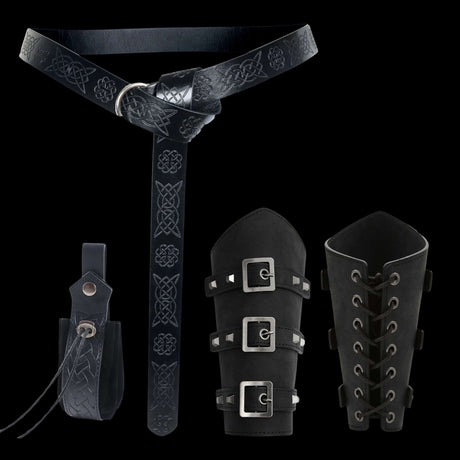
Belts and Cloaks: Leather belts carrying utility knives and pouches, paired with heavy wool cloaks pinned at one shoulder to leave the sword arm free.
Women’s Everyday Attire
-
Inner Gowns: Long, full-length linen or wool under-dresses with long sleeves.
-
Apron Dresses (Hangerok): Heavy wool outer garments suspended by shoulder straps and secured with a pair of oval bronze "tortoise" brooches.
-
Jewelry and Accessories: Stringing glass beads, amber pendants, or silver coins between their brooches, paired with utility knives and keys hanging from the waist.
The Spectrum of Color and Luxury Materials
Vikings used natural plant, root, and insect dyes to create rich colors, including madder red, woad blue, weld yellow, and deep forest greens. Wealthy chieftains and successful merchants displayed their status by trimming their garments with imported silk brought back from Byzantium or lining their cloaks with soft animal furs like sable, marten, and beaver.
Armor and Weapons: Debunking the Horned Helmet Myth
When picturing what a Viking warrior looked like on the battlefield, one famous object immediately comes to mind: the horned helmet.
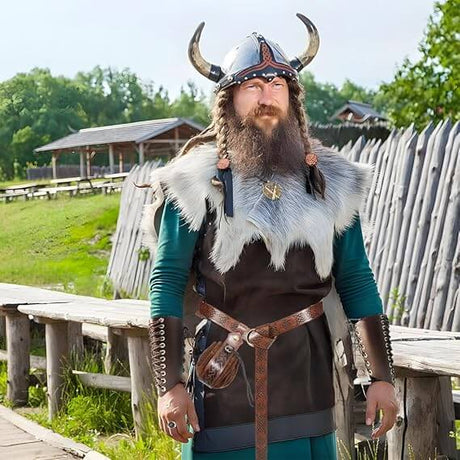
However, it is an absolute historical fact that Vikings never wore horned helmets into battle. The horned helmet myth was popularized in the 19th century by Romantic-era artists and costume designer Carl Emil Doepler for Richard Wagner's opera cycle Der Ring des Nibelungen. Practical military logic dictates that horns on a combat helmet would catch enemy sword blades and axes, easily knocking the helmet off or breaking the wearer's neck.
Real Viking Battle Gear
Actual Viking helmets were smooth, rounded, or conical iron caps designed to deflect blows downward:
-
Spectacle Helmets: Featuring a rounded iron crown paired with an iron face-guard protecting the eyes and nose (such as the famous 10th-century Gjermundbu helmet found in Norway).
-
Nasal Helmets: Conical caps with a single vertical iron strip extending down over the nose.
-
Chainmail (Byrnies): Long iron mail shirts weighing 20 to 30 pounds. Because iron armor was expensive and time-consuming to forge, mail was reserved for wealthy chieftains and veteran warriors.
-
Round Shields: The primary defensive tool for every warrior. Measuring 30 to 36 inches in diameter, wooden round shields were bound with leather edges, painted in bright colors, and held by a central iron boss.
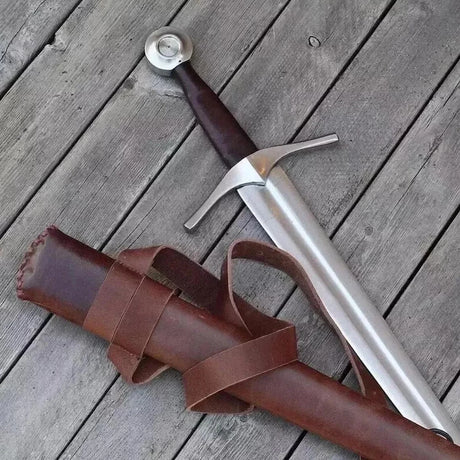
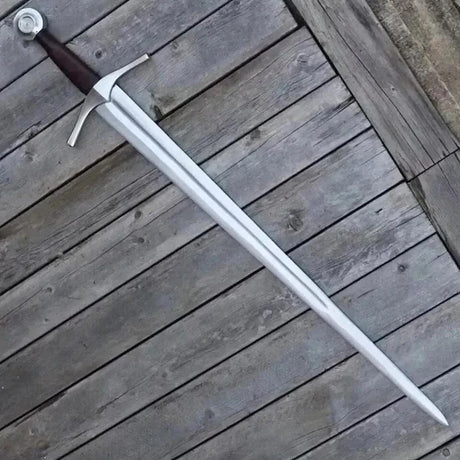
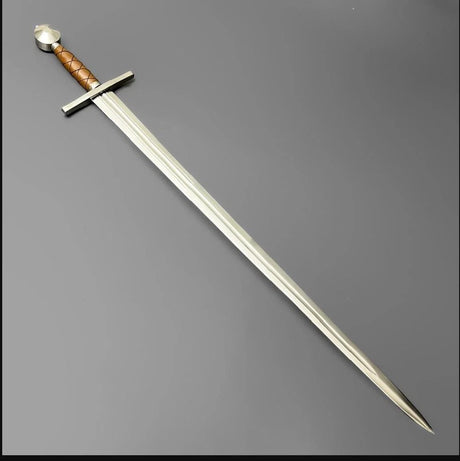
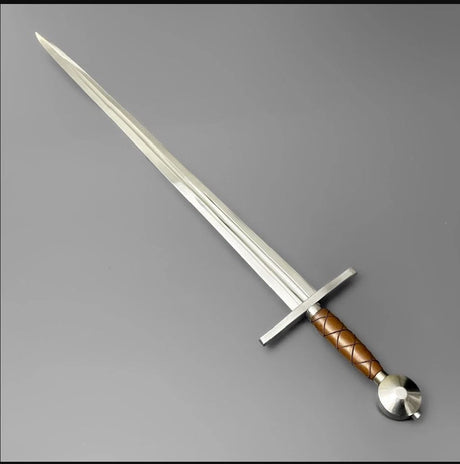
Most rank-and-file warriors went into battle wearing thick, layered wool tunics, carrying a sturdy wooden round shield, an iron-tipped spear, a battle axe, and a single-edged utility knife (seax).
Counterarguments: Were They Really That Different From Their Enemies?
To maintain a balanced historical analysis, we must address an important historiographical debate regarding visual identity during the Early Middle Ages.
Some military historians argue that when viewing a ninth-century battlefield, a Norse warrior and an Anglo-Saxon warrior looked almost identical to an outside observer.
Weighing the Perspectives
Consider how shared regional trade and geography influence technology. What if two neighboring cultures used the same iron forge techniques, similar wool weaves, and comparable weapon designs?
Historians point out that Anglo-Saxons, Franks, and Scandinavians shared common Germanic cultural roots. They used similar round shields, arming swords, iron helmets, and wool tunics. The visual distinctions lay primarily in subtle details: runic inscriptions, specific brooch styles, regional hairstyle cuts, and decorative animal-style art carved into weapon hilts.
This historical nuance reminds us that when asking what did Vikings look like, we are exploring a shared North European martial culture rather than an alien society.
Real-Life Connections: Tracing Heritage in Modern America
You might wonder why the physical appearance and genetics of medieval Scandinavians matter to readers living in the United States today. The reality is that millions of Americans share direct biological lineage with these ancient populations.
Genealogical and Genetic Discovery
Modern genomic mapping and ancestry testing allow descendants of Scandinavian, British, and Irish immigrants to trace their lineage back over a thousand years. Uncovering ancestral markers connects modern individuals with the actual historical people who navigated the North Atlantic.
Historical Reenactment and Cultural Festivals
Across North America, thousands of enthusiasts participate in historical reenactment societies, Celtic games, and Viking festivals. Understanding authentic clothing, grooming, and gear allows participants to replace Hollywood stereotypes with accurate historical craftsmanship.
The Future of Bioarchaeological Science
As we look toward the future, our understanding of what did Vikings look like continues to expand through cutting-edge science.
Anthropologists use facial reconstruction software, isotopic analysis of tooth enamel, and high-coverage ancient DNA extraction to build precise physical models of specific individuals buried a thousand years ago. These scientific breakthroughs ensure that our picture of the medieval North grows clearer with every passing year.
The Authentic Face of the Medieval North
Asking what did Vikings look like reveals a civilization far more dynamic, colorful, and visually sophisticated than popular media suggests. They were not dirty, horned-helmeted barbarians, but well-fed, athletic, and meticulously groomed individuals who took immense pride in their appearance, craftsmanship, and culture.
Whether evaluated through bioarchaeological skeletons, brightly dyed wool garments, or smooth iron helmets, their authentic image stands as a testament to human resilience and artistry. The fantasy tropes may fade, but the true face of the Norse people lives on, echoing proudly alongside the great tales of valhalla.