In the vast and intricate tapestry of Norse mythology, few creatures evoke as much dread and fascination as the Nidhogg Dragon (Old Norse: Níðhöggr). While Thor battles giants and Odin seeks wisdom, Nidhogg dwells in the darkest depths of the cosmos, gnawing at the very foundation of existence.
This guide explores the chilling legend of the serpent beneath the roots, its role in the end of the world, and why the Nidhogg Dragon remains one of the most powerful symbols of transformation and inevitable fate in 2026.
Who is the Nidhogg Dragon?
The name Níðhöggr translates roughly to "Malice Striker" or "Curse Striker." Unlike the dragons of Western folklore that hoard gold in mountain caves, Nidhogg is a primordial force of destruction.
He resides in Hvergelmir, a bubbling, freezing spring located in Niflheim (the Realm of Mists). This spring is the source of all cold rivers, and it is situated directly beneath one of the three great roots of Yggdrasil, the World Tree that holds the Nine Realms together.

Nidhogg Dragon
The Serpent vs. The Eagle
One of the most unique aspects of Nidhogg’s myth is his eternal rivalry. High atop the branches of Yggdrasil sits an unnamed, wise eagle. Between the eagle and the dragon runs a squirrel named Ratatoskr.
- Ratatoskr spends his days scurrying up and down the trunk, carrying insults between the eagle at the top and Nidhogg at the bottom.
- This cycle represents the constant tension between the celestial heights (order/wisdom) and the abyssal depths (chaos/destruction).
The Gnawer of Roots: A Symbol of Entropy
The Nidhogg Dragon is most famous for his relentless task: gnawing at the root of Yggdrasil.
In Norse philosophy, the world is not permanent. It is a living organism that is constantly being attacked. Nidhogg represents entropy—the slow, inevitable decay that eventually claims all things. By biting the roots of the World Tree, Nidhogg is effectively "counting down" to the end of the universe.
He doesn't just eat wood, however. According to the Völuspá (The Prophecy of the Seeress), Nidhogg also feasts upon the corpses of "oath-breakers, murderers, and those who seduce the wives of others" in the afterlife of Náströnd. He is the ultimate punisher of the "níð"—those who have lost their honor.
Nidhogg’s Role in Ragnarök
When the horn sounds for Ragnarök (the Twilight of the Gods), Nidhogg’s role is pivotal. As the world trembles and the bonds of the Nine Realms break, the roots of Yggdrasil finally weaken.
The ancient poems describe Nidhogg flying over the battlefield of Vigrid, bearing corpses in his wings. He is one of the few beings that survives the destruction of the old world to transition into the new one. His presence at the end of the prophecy serves as a grim reminder: even in a reborn world, the potential for darkness and decay remains.
- See more: The Fenrir Wolf
The Symbolism of the Nidhogg Dragon in 2026
Why are we still captivated by the Nidhogg Dragon today? In modern culture, Nidhogg has moved beyond ancient manuscripts into video games, literature, and high-end jewelry. He represents several core human experiences:
- Inevitability: We all face "roots" that are being gnawed at—time, change, and the ending of cycles.
- Underground Power: Nidhogg reminds us that the most significant changes often happen out of sight, deep in the "roots" of our lives.
- The Shadow Self: He represents the darker impulses that, if left unchecked, can topple our inner world.
Crafting the Legend: Why Wear a Nidhogg Symbol?
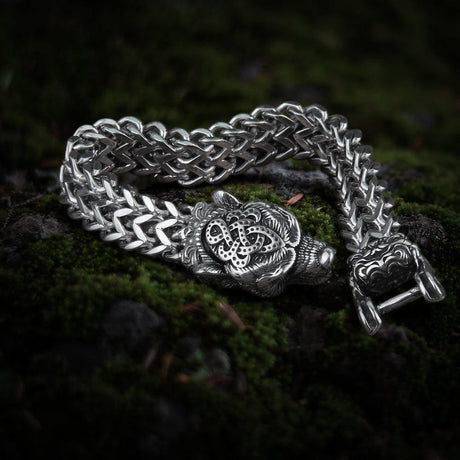
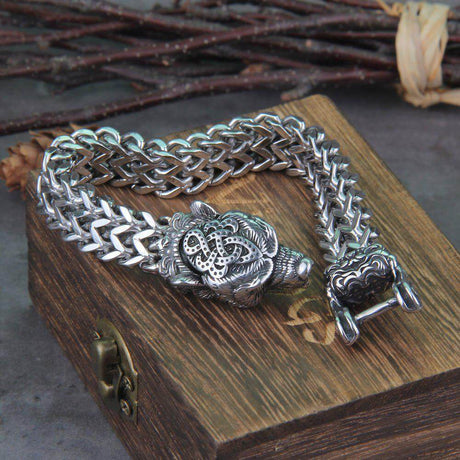
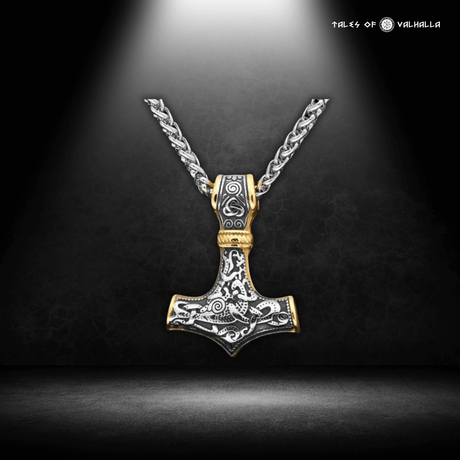
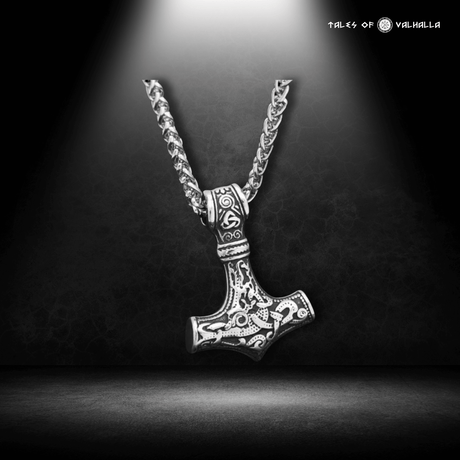
In the world of Viking-inspired fashion, the dragon is a staple. However, a Nidhogg Dragon piece is different from a standard dragon design. It is often characterized by:
- Intertwining Coils: Reflecting his serpent-like nature and his entanglement with the roots of the world.
- Darker Aesthetics: Often crafted in oxidized silver or dark steel to represent the mists of Niflheim.
- A Sense of Motion: Designs that suggest the dragon is constantly moving, twisting, or biting.
Choosing to wear a Nidhogg symbol is a statement of acknowledging the dark, recognizing that destruction is a necessary part of the cycle of rebirth.
Caring for Your Dragon Jewelry
Since most high-quality Nidhogg Dragon Ring are made from 925 Sterling Silver or Stainless Steel, maintaining their "dark" allure is simple:
- Embrace the Patina: For Nidhogg pieces, a bit of oxidation in the crevices actually enhances the detail of the dragon's scales.
- Safe Storage: Keep your jewelry away from harsh chemicals, as Nidhogg’s "acidic" breath is only a myth—real chemicals will damage the metal!
- Avoid Submerging: While Nidhogg lives in a spring, your jewelry prefers to stay dry to prevent premature tarnishing.

Conclusion: Embrace the Power of the Depths
The Nidhogg Dragon is not a villain to be feared, but a force of nature to be respected. He is the reminder that beneath the surface of our ordered lives, there is a wild, primal energy that keeps the cycle of the universe turning. By understanding Nidhogg, we understand the balance between the heights of the eagle and the depths of the serpent.
Are you ready to channel the unstoppable force of the gnawer of roots? Carry the legend of Niflheim with you wherever you go.
Claim your connection to the roots of Yggdrasil. Explore our artisan craftsmanship and shop the exclusive Nidhogg Dragon Ring at Tales of Valhalla today!