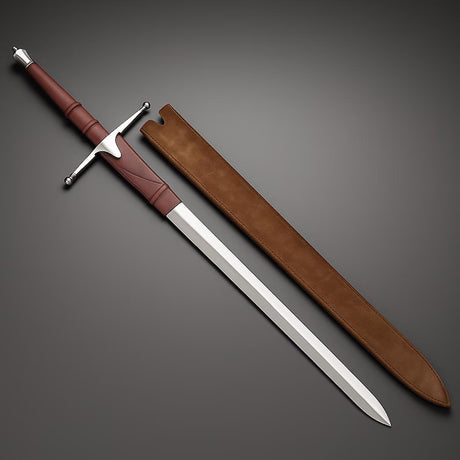
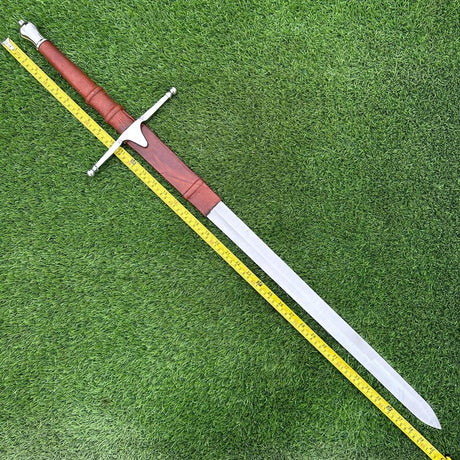
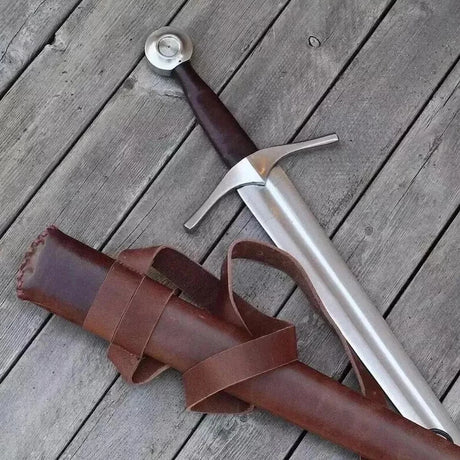
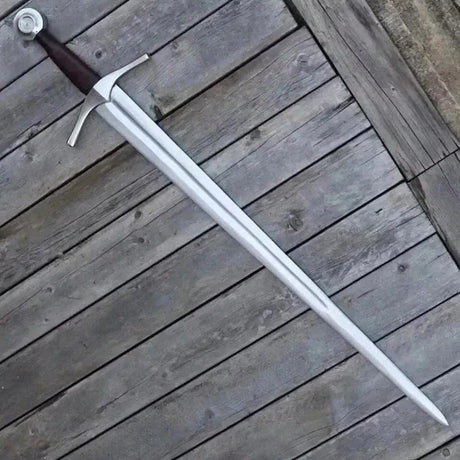
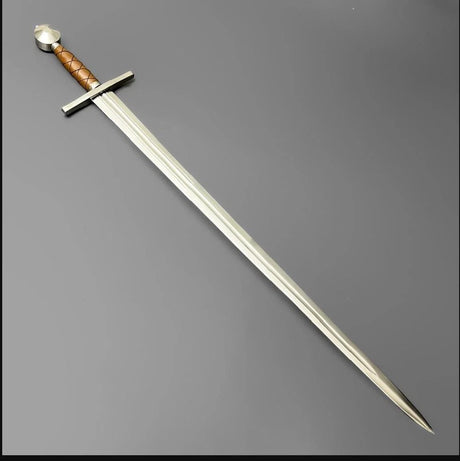
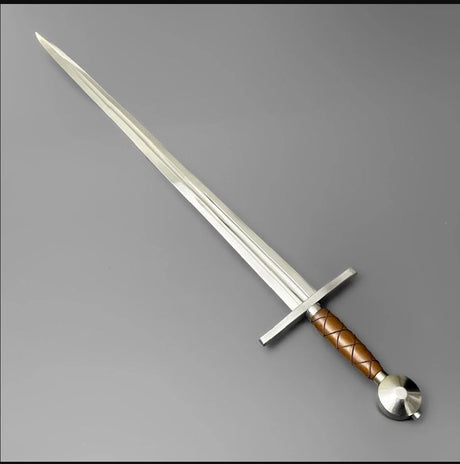
For centuries, the Damascus sword has been the stuff of legends. From the crusades of the Middle East to the high-fantasy epics of modern cinema, no weapon carries as much mystique as the patterned steel blade. Known for its "watered" surface, razor-sharp edge, and supernatural resilience, the Damascus sword is more than just a piece of history—it is a pinnacle of human ingenuity.
In this comprehensive guide, we’ll explore the transition from the ancient "lost" wootz steel to the high-performance pattern-welded blades of 2026. Whether you are a historian, a martial artist, or a collector looking for the perfect centerpiece, here is everything you need to know about the legendary Damascus sword.
What is a Damascus Sword?
At its core, a Damascus sword is defined by its distinctive wavy, mottled patterns reminiscent of flowing water. Historically, these blades were forged in the vicinity of Damascus, Syria, between 300 BC and 1700 AD.

However, the term "Damascus" actually refers to two different metallurgical processes:
- Ancient Damascus (Wootz Steel): Forged from crucibles in India, these blades contained "nanostructures" that gave them unparalleled strength.
- Modern Damascus (Pattern-Welded Steel): Created by forge-welding multiple layers of different steel alloys together to replicate the aesthetic and performance of the original.
The Secret Science: Why Damascus Swords Were "Magic"
For a long time, Europeans believed the Damascus sword was enchanted. Crusaders reported that these blades could slice through a falling silk handkerchief or shatter a standard European iron sword in a single blow.
Modern science has revealed the truth wasn't magic—it was nanotechnology. In 2006, researchers discovered that ancient Damascus blades contained carbon nanotubes and cementite nanowires. This sophisticated internal structure allowed the sword to be incredibly hard (keeping a sharp edge) yet flexible (absorbing the shock of combat without snapping).
The Mystery of the Lost Art
By the mid-18th century, the production of original Damascus swords mysteriously stopped. The secret of how to forge these blades was lost to time. Most historians believe the disappearance was due to:
- Resource Depletion: The specific iron ore from India containing trace elements like vanadium and tungsten ran out.
- Trade Route Disruptions: Wars and shifting borders cut off the supply of "Wootz" ingots to the master smiths in Syria.
- The Rise of Firearms: As gunpowder changed the face of war, the demand for high-end, labor-intensive swords plummeted.
Modern Damascus Swords in 2026: Aesthetics Meets Performance
Today, bladesmiths have "reclaimed" the Damascus name through pattern-welding. By stacking high-carbon steels (for hardness) with nickel-rich steels (for shine and toughness), modern smiths create blades that are often superior in consistency to the ancient versions.
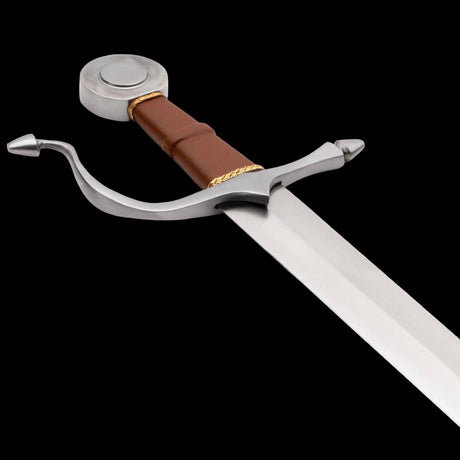
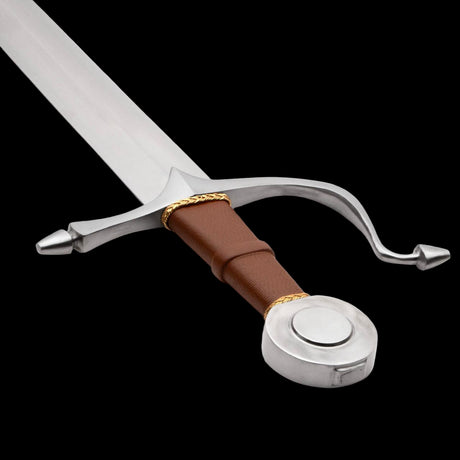
 The Light Damascus Sword
Popular Damascus Patterns
In 2026, collectors look for specific visual styles that define the quality of the forge:
- Raindrop: Characterized by small, circular "drops" throughout the blade.
- Ladder: Parallel lines that look like the rungs of a ladder.
- Twist: A tight, spiraling pattern achieved by twisting the steel billet while it’s white-hot.
- Mosaic: Highly complex, artistic patterns that can even depict shapes or logos.
How to Tell a Real Damascus Sword from a Fake
With the popularity of the "Damascus" aesthetic, the market is flooded with cheap imitations. If you are looking to invest in a real Damascus sword, watch out for these red flags:
- Etched vs. Forged: Fake Damascus is often just a cheap stainless steel blade with a pattern laser-etched or acid-printed on the surface. If the pattern is too "perfect" or disappears when you sand it, it’s not real.
- The Spine Test: On a genuine pattern-welded sword, the wavy lines should be visible on the spine and the tang, not just the flat of the blade.
- Price Point: A hand-forged Damascus sword takes dozens of hours of labor. If the price seems too good to be true, it’s likely a mass-produced imitation.
Maintenance: Caring for Your Legend
Because most high-quality Damascus swords are made from high-carbon steel, they are prone to rust if neglected. To keep your blade in "battle-ready" condition:
- Keep it Dry: Never store a Damascus sword in a leather sheath for long periods, as leather traps moisture.
- Oil Regularly: Use mineral oil or specialized wax to create a barrier against oxygen.
- Clean After Handling: The oils from your fingerprints can actually corrode the steel over time.
Conclusion: Own a Piece of History
The Damascus sword remains the ultimate symbol of the warrior spirit. It represents a bridge between the ancient world’s mysteries and the precision of modern metallurgy. Whether you value the sword for its historical weight, its breathtaking beauty, or its sheer cutting power, owning one is a rite of passage for any serious collector.
Are you ready to add a legendary blade to your collection? Don't settle for factory-made imitations. Experience the craftsmanship of the gods.
Explore our exclusive collection and shop the finest handcrafted Damascus swords at Tales of Valhalla today!