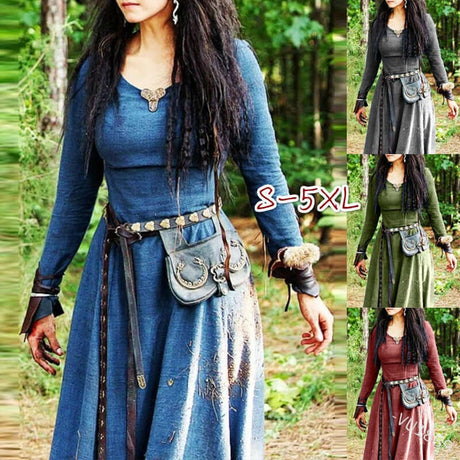
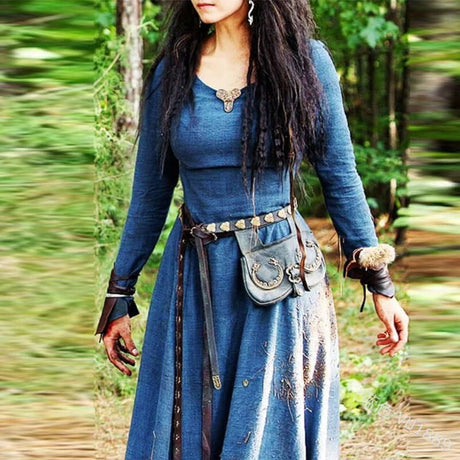
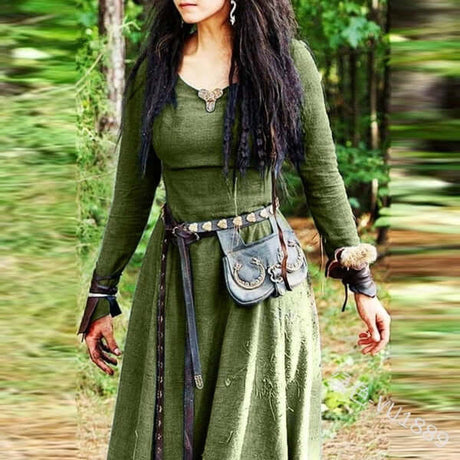
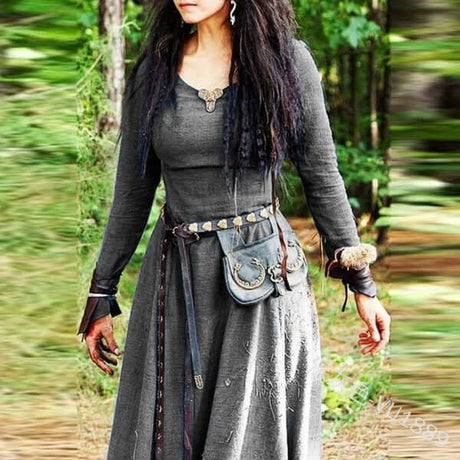
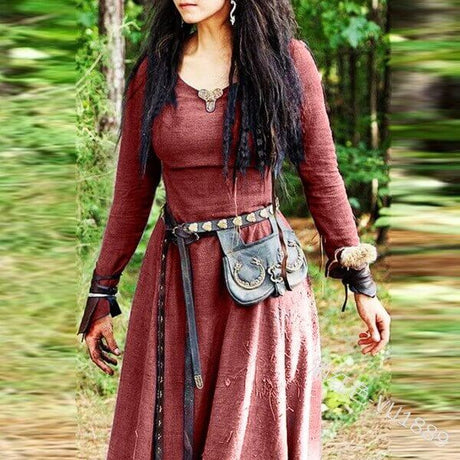
The image of a Viking warrior usually brings to mind a towering man with a thick beard, a heavy axe, and a weathered face. But if you look closer at the archaeological record and the hauntingly beautiful Norse sagas, a different figure emerges from the fog of the North Sea. She stands in the front line, her grip firm on a round wooden shield, her eyes fixed on the horizon. These are the Viking Shieldmaidens, the formidable women who challenged the gender norms of the medieval world and earned their place in the halls of history.
In the United States, our fascination with Viking culture has skyrocketed. From hit television shows to Marvel movies, we are captivated by the grit and honor of the Norse. Yet, for a long time, the existence of Viking Shieldmaidens was dismissed as mere campfire fiction—a poetic invention of the sagas to add flair to the narrative. Today, thanks to cutting-edge science and a more nuanced look at historical texts, we are realizing that these women were very real, very dangerous, and deeply integrated into the fabric of Norse warfare.
The Mythic Roots: Sagas and the Valkyrie Connection
To understand the Viking Shieldmaidens, we must first look at how the Norse people viewed themselves. Their world was one where the physical and the spiritual were tightly interwoven. In their mythology, the Valkyries—winged shieldmaidens of Odin—hovered over battlefields, deciding who would live and who would be carried to Valhalla.
This spiritual archetype provided a cultural blueprint. If the gods honored female warriors, it was only natural that earthly women would aspire to that same strength. The Hervarar saga and the works of Saxo Grammaticus are filled with accounts of women like Lagertha, who fought with such ferocity that she saved the hero Ragnar Lothbrok in battle.
For a long time, historians in the 19th and 20th centuries viewed these stories as metaphors for "strong-willed women" rather than literal soldiers. They argued that "shieldmaiden" was a literary trope. However, this perspective often ignored the fact that Norse society was surprisingly progressive regarding women’s rights compared to the rest of Europe at the time. Viking women could own property, request a divorce, and manage entire estates while the men were away on raids. Taking up a sword was simply the ultimate extension of that independence.

The Mythic Roots: Sagas and the Valkyrie Connection
From Legend to Laboratory: The Birka Warrior
The turning point for the historical validity of Viking Shieldmaidens occurred in 2017. For over a century, a famous 10th-century grave in Birka, Sweden, known as Bj 581, was considered the "ultimate" Viking warrior burial. It contained a full set of weapons, including a sword, an axe, a spear, armor-piercing arrows, and two horses. Because of the martial nature of the grave, it was assumed for 130 years that the occupant was a man.
When osteologists and DNA specialists finally analyzed the remains, the results sent shockwaves through the academic world: the warrior was biologically female. This wasn't just a woman buried with a few trinkets; she was buried with the high-status equipment of a professional military commander.
Statistical Analysis of Norse Burials
To put this into perspective, we can look at how modern bio-archaeology is reshaping our understanding of the Viking age.
| Discovery Type | Traditional Interpretation | Modern DNA/Bio-Analysis | Impact on History |
| Birka Grave Bj 581 | Elite Male General | Elite Female Warrior | Proves women held high military rank. |
| Repton Mass Grave | All-Male Great Heathen Army | Approximately 20% Female | Suggests women traveled and fought in armies. |
| Solør Burial (Norway) | Female with "Family Heirlooms" | Female Warrior with Battle Trauma | Confirms women engaged in hand-to-hand combat. |
| Valkyrie Amulets | Stylized Mythological Art | Representations of real-life Shieldmaidens | Links fashion and identity to warrior status. |
These findings suggest that Viking Shieldmaidens weren't rare anomalies. Instead, they were a recognized part of the Norse expansion. In the United States, we often debate the role of women in combat today, but the Vikings seem to have settled that debate over a thousand years ago.
The Life of a Warrior: Training and Equipment
Being one of the Viking Shieldmaidens wasn't just about picking up a sword; it was a lifestyle defined by intense physical conditioning and mastery of specific tools. Unlike the heavy, plated armor of the later Middle Ages, Viking combat relied on agility and the "shield wall."
A shieldmaiden’s primary defense was her shield, usually made of linden or fir wood with a central iron boss to protect the hand. The technique involved overlapping these shields to create a literal wall of timber. For a woman to hold her place in that wall, she needed immense upper body strength and endurance.
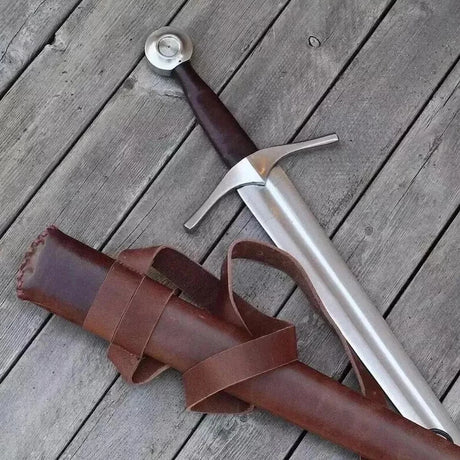
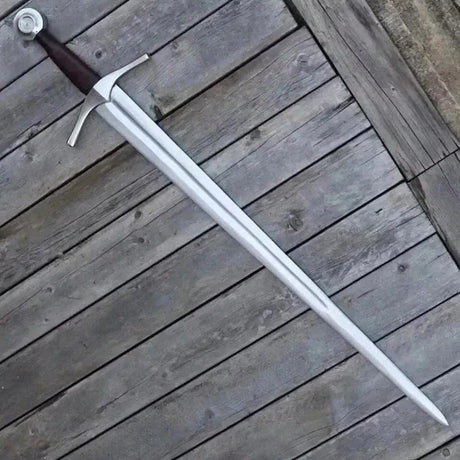
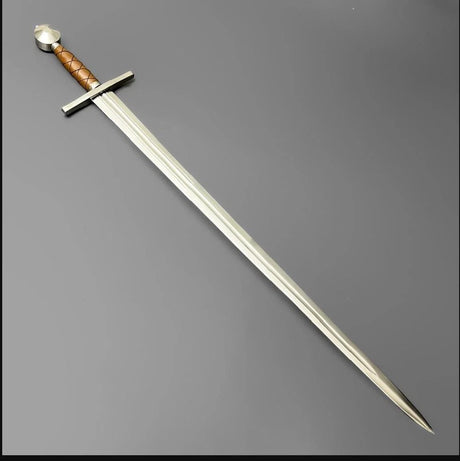
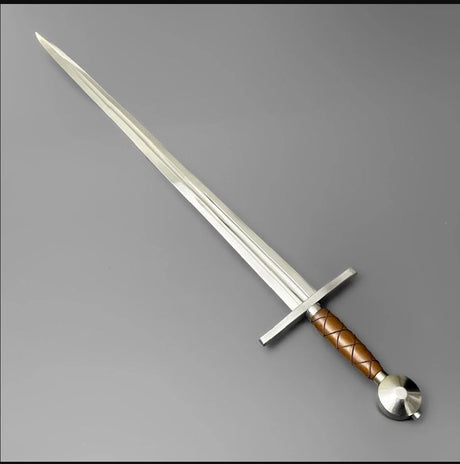
The weapons used by Viking Shieldmaidens were often balanced for their specific reach and strength. While the axe is the iconic Viking weapon, the spear was likely the most common tool for women in battle. It allowed for distance, keeping the enemy at bay while utilizing the lethal piercing power of the iron head.

The Life of a Warrior: Training and Equipment
The Psychology of the Battlefield
Imagine standing in a muddy field in Northumbria, the air thick with the smell of salt and iron. You aren't just fighting for survival; you are fighting for your "fylgja"—your supernatural luck or spirit. For Viking Shieldmaidens, the battlefield was a place of spiritual transition. If they fell, they believed they would be greeted by their sisters, the Valkyries. This lack of fear made them terrifying opponents for the Frankish and Saxon armies, who were unaccustomed to seeing women in the vanguard.
Counterarguments and Academic Nuance
It is important to address the skepticism that still exists in some historical circles. Some scholars argue that being buried with a sword doesn't automatically make someone a warrior. They suggest these items could be symbolic or related to the woman's role as a "matriarch" of a warrior family.
While it is healthy to be cautious, we must also ask: if a male skeleton is found with a sword, we never question if he was a warrior. Why do we apply a different standard to women? Furthermore, skeletal analysis of the Solør woman showed a significant head wound consistent with a sword strike that had begun to heal before her death. This indicates she had survived previous combat encounters. The evidence for Viking Shieldmaidens isn't just in the items they carried, but in the scars they wore.
The Legacy of Shieldmaidens in Modern Culture
The spirit of the Viking Shieldmaidens lives on in our modern storytelling. In the United States, characters like Lagertha from Vikings or Brienne of Tarth from Game of Thrones draw direct inspiration from these historical figures. They represent a breaking of the "damsel in distress" trope, offering a vision of femininity that is powerful, autonomous, and fierce.
This legacy isn't just about entertainment. It's about reclaiming a lost chapter of human history. When we acknowledge the existence of Viking Shieldmaidens, we acknowledge that the past was much more diverse and complex than the Victorian-era historians led us to believe. It reminds us that courage and leadership have never been restricted by gender.
Real-Life Modern "Shieldmaidens"
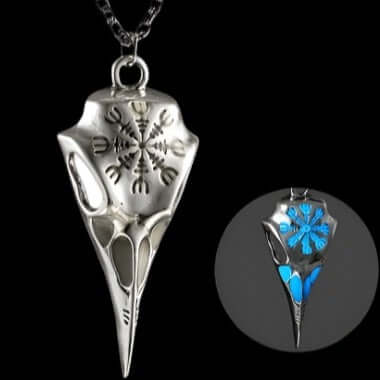
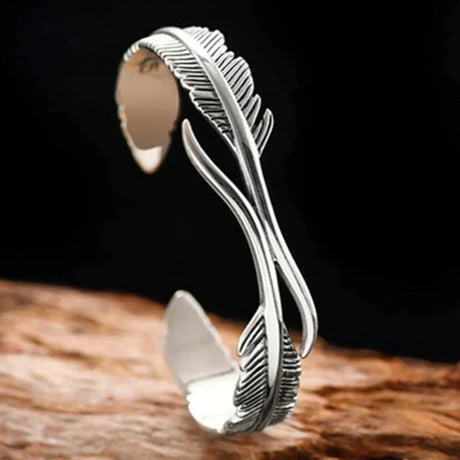
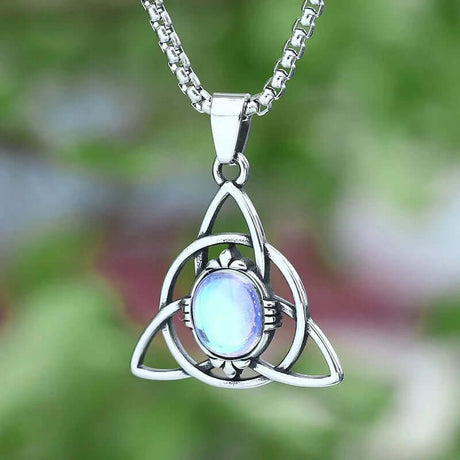
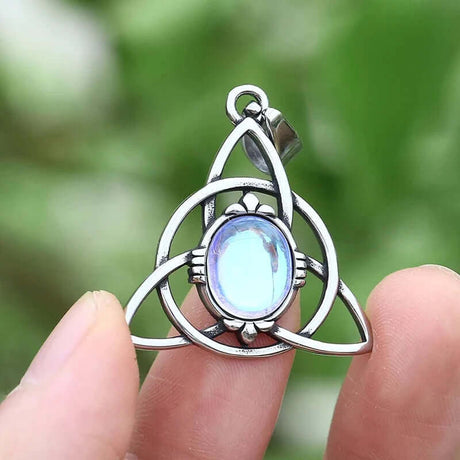
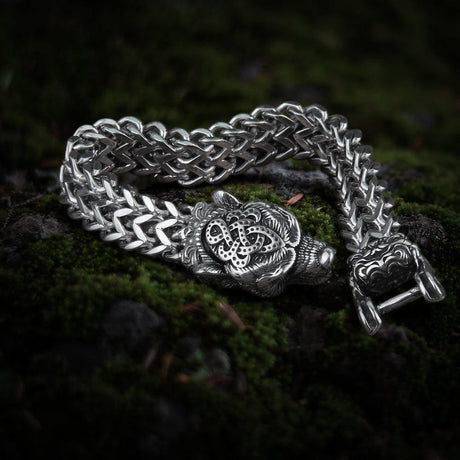
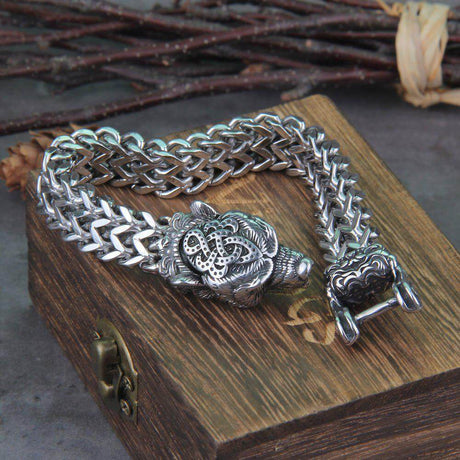
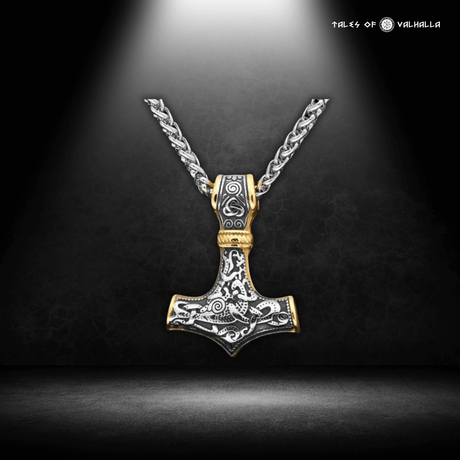
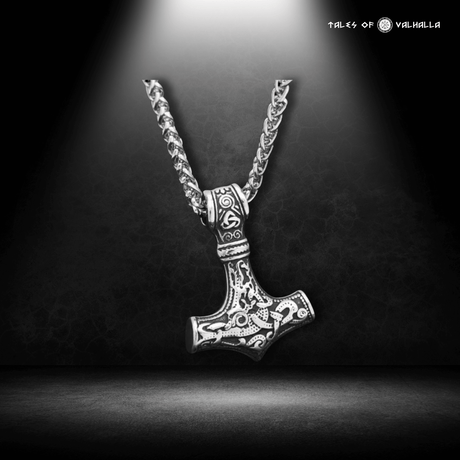
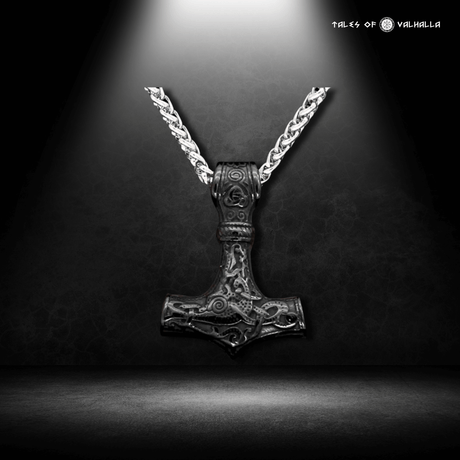
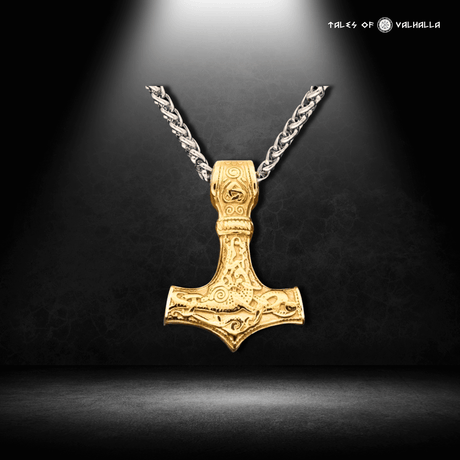
Today, we see the echoes of the Viking Shieldmaidens in the women serving in elite special forces or competing in high-level combat sports. The grit required to stand in a shield wall is the same grit required to navigate the challenges of the modern world. Many women today wear Mjölnir (Thor’s Hammer) or Valkyrie pendants as symbols of this ancestral strength, connecting their personal journeys to the legends of the North.
- See more: Fafnir
Exploring the Future of Norse Research
As technology improves, we will likely find even more evidence of Viking Shieldmaidens. New chemical analysis of teeth (strontium isotopes) can tell us where these women grew up and how far they traveled. We are discovering that many of the women buried in Viking colonies in England and Ireland weren't just "camp followers"—they were settlers and defenders who helped shape the foundations of those nations.
The more we dig, the more we realize that the Viking Age was a time of incredible mobility. Viking Shieldmaidens likely commanded ships, negotiated trade deals, and led raids across the Atlantic. They were the architects of their own fate, carving their names into the stones of history with iron and blood.
Conclusion: Honoring the Warriors of Old
The story of the Viking Shieldmaidens is a testament to the human spirit's desire for freedom and glory. Whether they were literal soldiers in every raid or elite leaders who rose to the occasion during times of crisis, their presence in the historical record is undeniable. They challenge us to look past our own biases and see the past as it truly was: a raw, vibrant, and often surprising world.
By embracing both the archaeology and the mythology, we get a complete picture of these extraordinary women. They weren't just characters in a story; they were the mothers, sisters, and leaders who helped forge a civilization that still captures our imagination today. Their courage serves as a bridge between the ancient world and our modern aspirations.
As we continue to uncover the truth through science and study, we keep their memory alive. Every new discovery is a victory for history, ensuring that the fierce spirits of the North are never forgotten. These are the true tales of valhalla.