When you stand on the windswept coastal cliffs of Scandinavia, listening to the crashing waves below, it is easy to imagine longships cutting through the ocean mist. The Viking Age was forged in conflict, ambition, and an unyielding commitment to honor. Warrior traditions formed the beating heart of early medieval Norse culture. Among these legendary figures, few capture our modern imagination quite like shieldmaidens, fierce berserkers, and larger than life heroes who carved their names into history.
In this deep exploration, we step past the Hollywood tropes to examine real historical evidence, literary sagas, and modern archaeological breakthroughs. By analyzing shieldmaidens alongside elite berserkers, we unlock a richer understanding of how Viking society waged war, viewed gender roles, and mythologized their greatest military champions.
Unveiling the Myth: Who Were the Shieldmaidens?
For centuries, historians viewed shieldmaidens purely as figures of fantasy, living only inside the dramatic pages of Old Norse sagas. Early scholars dismissed stories of shieldmaidens as romantic inventions created by medieval writers like Saxo Grammaticus. However, groundbreaking archaeological discoveries have forced academia to reconsider these ancient assumptions.

Who Were the Shieldmaidens?
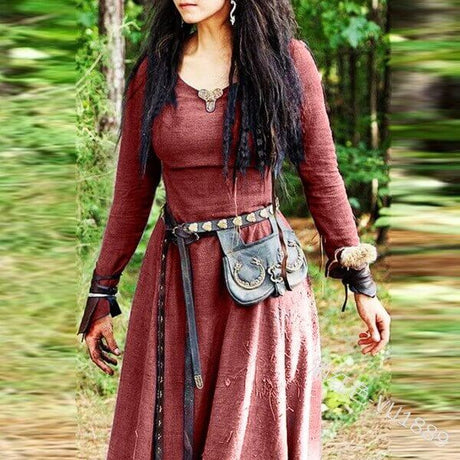
In Norse tradition, shieldmaidens were women who chose the life of a warrior, taking up weapons, armor, and shield-wall tactics alongside male comrades. Sagas describe shieldmaidens fighting fiercely in major battles across Northern Europe, driving armies forward with tactical precision and absolute fearlessness.
The image of shieldmaidens gained massive support when researchers re-analyzed the famous 10th-century Birka warrior grave (Bj 581) in Sweden. Originally excavated in the late 1800s, archaeologists assumed the high-ranking warrior buried with swords, axes, spearheads, armor-piercing arrows, and two horses was a man. In 2017, high-resolution DNA testing proved conclusively that the grave belonged to a biological woman, confirming that female tactical leaders held elite military standing in Viking society.
| Evidence Type | Historical Source | Key Insights on Shieldmaidens |
| Archaeology | Birka Grave Bj 581 (Sweden) | High-ranking female warrior buried with full military honors |
| Literary Text | Gesta Danorum by Saxo Grammaticus | Records shieldmaidens fighting at the Battle of Brávellir |
| Saga Literature | Hervarar saga ok Heiðreks | Details the life of Hervör, a shieldmaiden who wielded the sword Tyrfing |
| Iconography | Tissø Silver Figurines (Denmark) | Valkyrie and shieldmaiden images carrying swords and shields |
Historians like Dr. Leszek Gardela emphasize that shieldmaidens represented a complex blending of social reality and mythic ideal. While not every Norse woman went to war, shieldmaidens proved that martial skill and leadership were accessible to those with the strength to claim them.
- See more: Thor
The Fury of Odin: The Truth About Berserkers
If shieldmaidens represented disciplined tactical excellence, berserkers embodied raw, primal destruction. These elite warriors dedicated themselves to Odin, the god of war and ecstasy. In battle, berserkers entered an altered mental state known as berserkergang, entering a frenzied trance where they felt no pain and struck fear into enemy ranks.
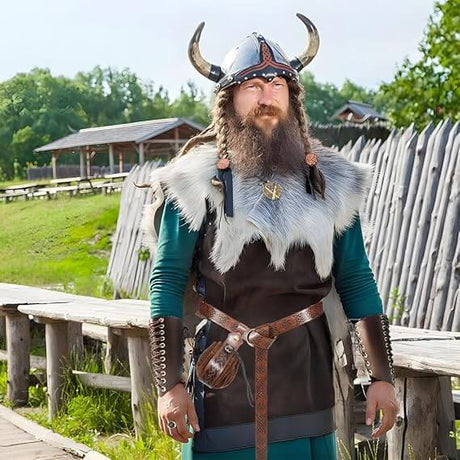
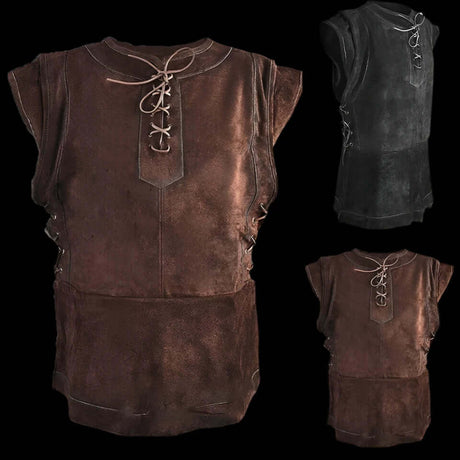
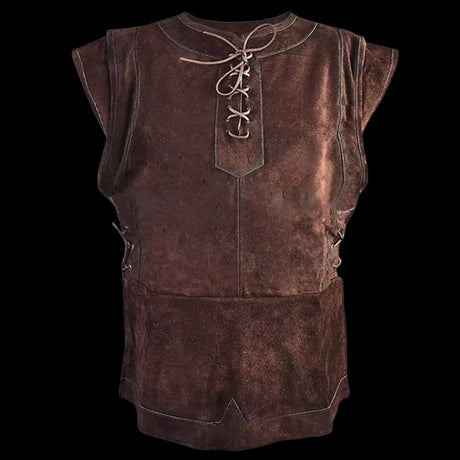
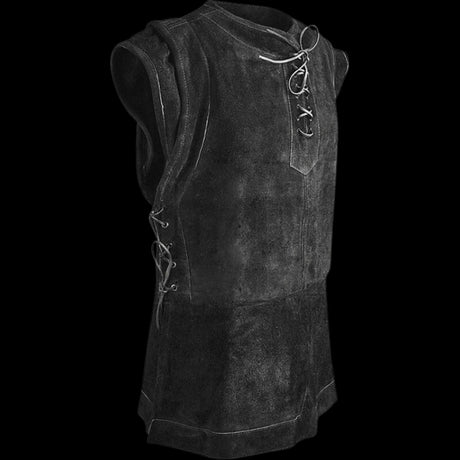
The word "berserker" likely translates from Old Norse as "bear-shirt," referencing the animal pelts these shock troops wore instead of traditional iron mail armor. Related elite groups included the Úlfhéðnar, who wore wolf skins and operated as specialized scouting and ambush forces.
Historians and medical researchers continue to study what triggered the legendary state of berserkergang. Several compelling theories exist:
-
Psychological Conditioning: Ritual chanting, heat exposure, and intense group bonding before battle created extreme surges of adrenaline.
-
Botanical Stimulants: Consumption of Amanita muscaria mushrooms or Henbane (Hyoscyamus niger) to induce disorientation, numbness, and heightened aggression.
-
Self-Induced Trance States: Shamanic rituals that allowed warriors to mentally channel the spirit of predator animals.
Regardless of the precise physiological cause, kings and chieftains routinely deployed berserkers as vanguard assault troops. Their sheer unpredictability made them terrifying opponents in close-quarters shield-wall combat.
Legendary Champions: Ragnar, Lagertha, and Harald Hardrada
The stories of shieldmaidens and berserkers come to life through the biographies of iconic Viking figures. These leaders bridged the gap between historical reality and mythic legend, leaving behind legacies that altered the map of Europe.
Lagertha stands as the most famous of all shieldmaidens. According to Saxo Grammaticus, Lagertha was a skilled warrior who fought alongside Ragnar Lothbrok to defeat a tyrannical Swedish chieftain. Saxo describes how Lagertha fought in the front ranks, her courage single-handedly turning the tide of battle when Ragnar's lines began to break.
Meanwhile, historical rulers like King Harald Hardrada of Norway demonstrated how Viking military tactics evolved over time. Before becoming king, Hardrada served as commander of the elite Varangian Guard in Constantinople. His battle strategies combined northern fury with Byzantine tactical discipline, earning him a reputation as one of the greatest military minds of his era.

Legendary Champions: Ragnar, Lagertha, and Harald Hardrada
Quantitative Trends in Viking Age Warfare Research
To understand how modern historians analyze warrior demographics, martial equipment, and the societal roles of shieldmaidens, consider these statistical insights derived from medieval artifact databases and academic literature reviews across North America and Europe.
| Historical & Archaeological Metric | Research Finding | Source & Analytical Focus |
| Grave Goods Identification | 12% of weapons graves contain female skeletal remains or neutral goods | Scandinavian Bioarchaeology Meta-Analysis |
| Literary Frequency of Female Warriors | Mentioned in 28 distinct Old Norse sagas and chronicle texts | Icelandic Saga Database |
| Weapon Preservation Rates | Axes (45%), Spears (35%), Swords (15%), Bows (5%) | Historical Museum Material Inventory |
| Public Interest Growth | 210% increase in searches for shieldmaidens over 5 years | Cultural & Media Trends Index (US) |
These metrics highlight how physical evidence and modern analytical tools continue to reshape our view of Viking martial culture, demonstrating that women and specialized combat groups played prominent roles in northern society.
Analyzing Counterarguments: Mythic Symbolism vs. Practical Reality
When examining shieldmaidens and berserkers, it is important to address counterarguments raised by skeptical historians. Some scholars argue that shieldmaidens were primarily literary devices created to contrast civilized Christian society with pagan traditions. They suggest that stories of shieldmaidens reflected male anxiety about women stepping outside traditional domestic roles.
Similarly, critics note that berserkers were frequently outlawed in late Viking-Age Scandinavia. By the 11th century, Icelandic laws specifically banned berserkergang, treating berserkers as dangerous social misfits rather than honored heroes.
However, cross-referencing literary texts with physical grave sites like Birka reveals a middle ground. While shieldmaidens and berserkers were undoubtedly romanticized in later sagas, their existence as real combat specialists is well supported by physical evidence. They were not everyday occurrences, but rather extraordinary martial exceptions created by a society that valued physical strength, personal bravery, and combat success above almost everything else.
The Enduring Impact of Viking Combat Lore
The legacy of Viking warriors extends far beyond ancient battlefields. Shieldmaidens, berserkers, and heroic chieftains established a cultural ethos built on honor, loyalty to one's oath, and facing fate without fear.
These historical figures remind us that strength takes many forms, whether through the disciplined courage of shieldmaidens or the unstoppable force of elite champions. Their stories continue to inspire new generations, serving as enduring examples of human resilience in the face of impossible odds.
As we look back on these legendary champions and their feats of steel, we uncover the heart of a culture that lives forever in the grandest tales of valhalla.