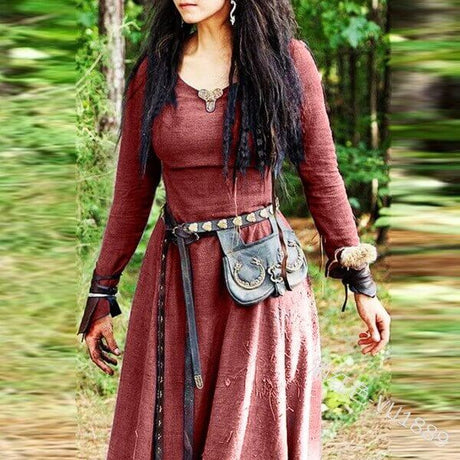
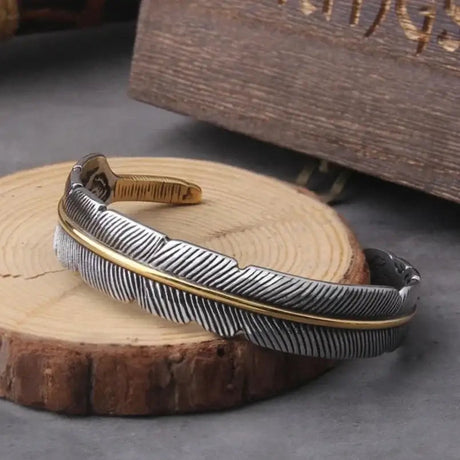
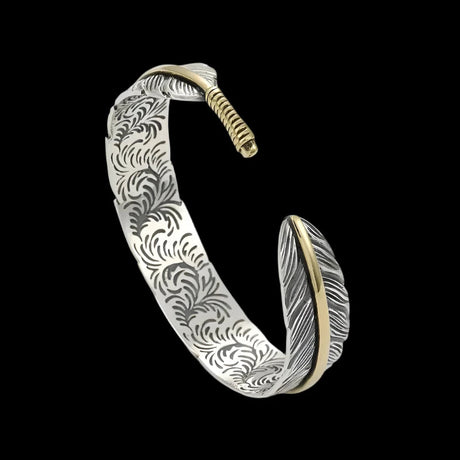
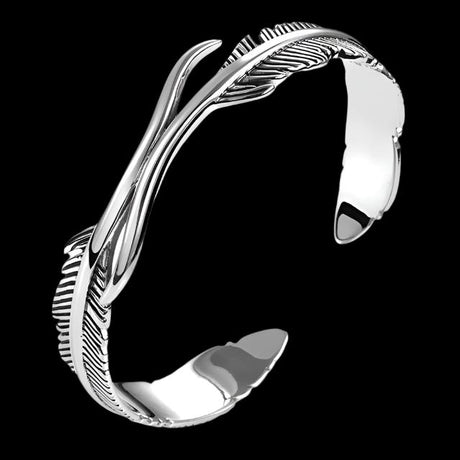
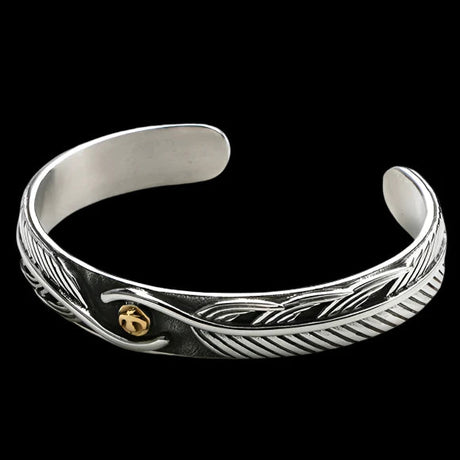
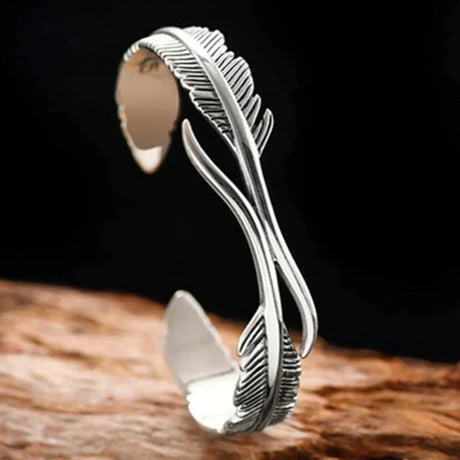
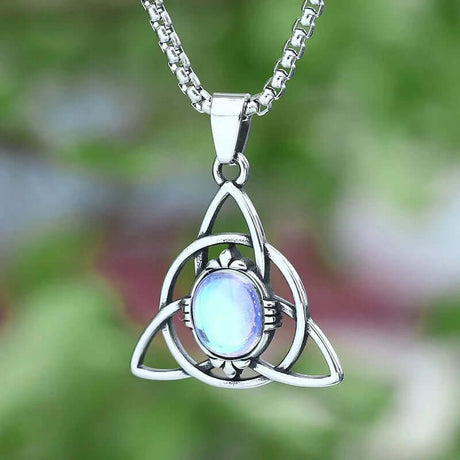
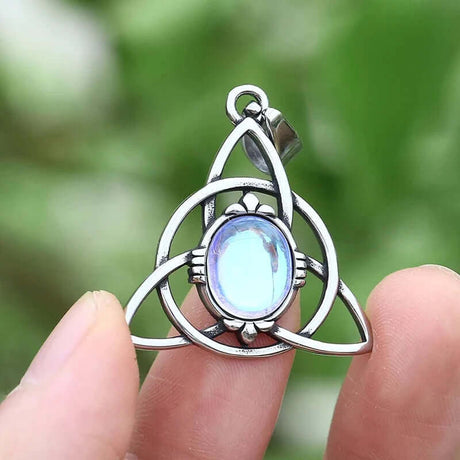
Imagine standing on a chilly Scandinavian shore over a thousand years ago. The sea mist dampens your face, and the sound of crashing waves echoes against towering fjords. A wooden longship glides onto the gravel beach. Out steps a Norse trader, his dark woolen cloak pinned tightly at his shoulder with a gleaming bronze brooch. Around his wrist rests a heavy band of braided silver, polished to a mirror shine.
For generations, popular culture painted a very specific image of the Vikings. Movies and television series presented them as unkempt barbarians covered in grime, wearing rugged furs and horned helmets. Modern historical research and archaeological discoveries tell a vastly different story.
The Norse people were deeply invested in personal grooming, aesthetics, and fashion. Among their most valued possessions was
Viking Jewelry. Far from simple decoration, these personal ornaments served as dynamic tools for economic survival, religious devotion, political loyalty, and social identity.
In this deep dive, we will explore the fascinating world of Viking Jewelry, examining its historical origins, functional uses, symbolic meanings, and enduring modern legacy.
The Archaeological Evidence: How We Know What the Norse Wore
Our knowledge of Viking Jewelry rests on physical artifacts recovered from ancient burial sites, hidden coin hoards, and detailed accounts written by foreign observers.
When prominent Norse figures died, their communities buried them alongside their finest personal possessions to prepare them for the journey to the afterlife. Excavations of rich grave sites, such as the famous Oseberg and Gokstad ship burials in Norway, revealed magnificent collections of worked metal, imported glass beads, and carved bone ornaments.
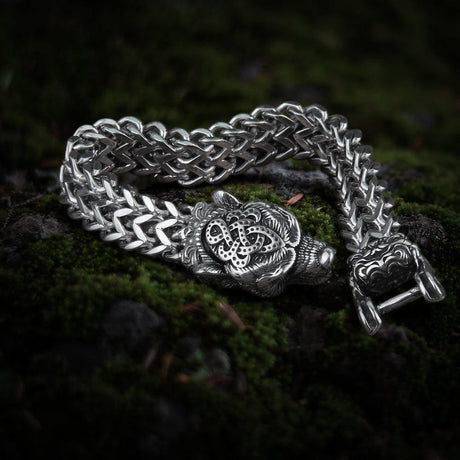
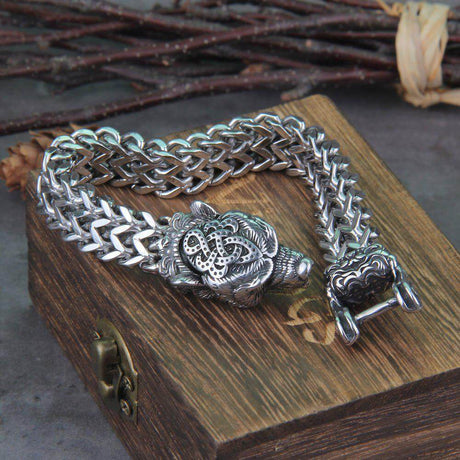
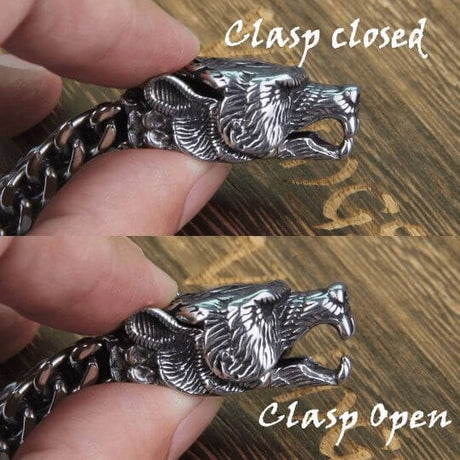
Jörmungandr Serpent Retro Bracelet
In addition to graves, archaeologists frequently uncover underground treasure caches known as hoards. During periods of conflict or economic uncertainty, Norse merchants and warriors buried their wealth beneath rocks or wooden floors for safe-keeping.
Written records from contemporary travelers validate these physical discoveries. In 922 AD, an Arab diplomat and chronicler named Ahmad ibn Fadlan traveled through Central Asia and met the Rus Vikings along the Volga River. He wrote extensively about their physical appearance, recording that the women wore complex breast brooches containing gold, silver, and copper, while the men adorned their necks with heavy bands of precious metal.
The Anglo-Saxon Chronicle also details how Scandinavian leaders used sacred arm rings to confirm solemn political agreements. King Guthrum famously swore a peace treaty with King Alfred the Great upon a sacred holy ring, highlighting the deep legal weight carried by wearable metal.
The Core Functions of Viking Jewelry
To understand why the Norse crafted such elaborate items, we must look at how Viking Jewelry functioned within daily society. These items were rarely kept in hidden boxes; people wore them constantly for specific, practical purposes.
1. Portable Wealth and the Hack Silver Economy
During the Early Middle Ages, Western Europe relied heavily on minted coinage, but the Viking world operated primarily on a bullion economy. Value was determined strictly by the weight and purity of precious metal, regardless of what form it took.
This created the need for hack silver. When a merchant wanted to purchase livestock, timber, wheat, or silk, they took a solid silver necklace or arm ring and chopped off a portion using a chisel or small hatchet. They weighed the cut piece on portable pocket scales to complete the transaction. Viking Jewelry acted as a wearable wallet, allowing individuals to carry their entire life savings safely on their arms and necks.
2. Social Status and Hierarchy
Norse society was strictly structured, divided into nobility, free farmers, and enslaved laborers. Wearing high-grade silver or gold instantly communicated power, success, and wealth to everyone in the community.
While wealthy chieftains and traders wore intricate gold chains and silver arm rings, ordinary farmers wore items made from bronze, iron, or carved animal bones. By looking at a person's ornaments, you could immediately gauge their social standing and regional influence.
3. Practical Garment Fasteners
Norse clothing lacked modern fasteners like buttons, zippers, or elastic bands. Heavy wool cloaks and layered linen tunics needed secure fixtures to stay in place.
Men used broad iron or bronze cloak pins to fasten heavy capes over their shoulders, keeping their weapon arm free for action. Women relied on paired oval brooches to secure the shoulder straps of their apron dresses, blending everyday utility with artistic elegance.
4. Spiritual Faith and Protection
Religious belief in the Viking realm was highly personal. People wore small symbolic pendants to invite protection from the gods, ward off malevolent spirits, and ensure safe passage across hazardous seas.
Key Types of Viking Jewelry and Their Symbolism
Craftspeople used a variety of metals and techniques to produce wearable items for every part of the body. Let us examine the most common types of Viking Jewelry and the specific meanings behind them.
Necklaces, Neck Rings, and Sacred Pendants
Neck adornments ranged from simple cords decorated with amber beads to massive, twisted metal neck rings worn by regional rulers.
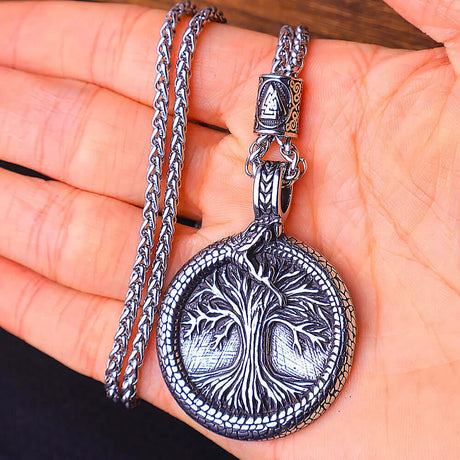
Pendants attached to necklaces carried deep spiritual importance. Archaeologists have recovered hundreds of different pendant designs across Scandinavia:
-
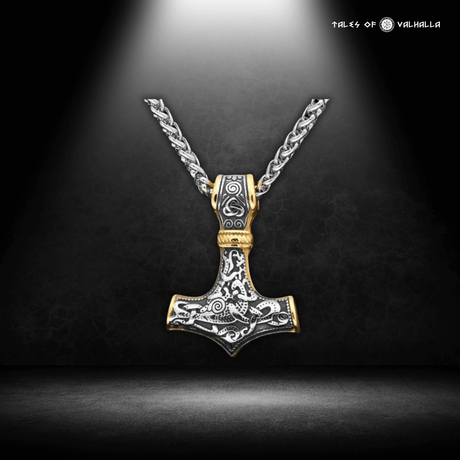
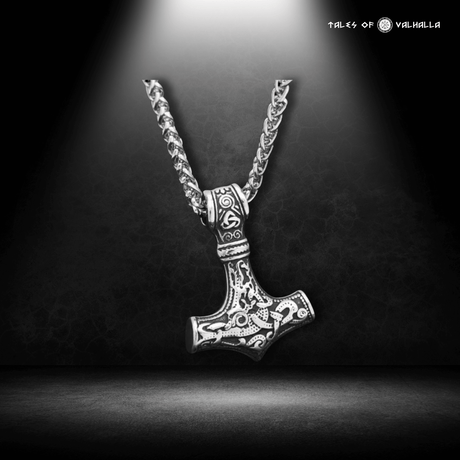
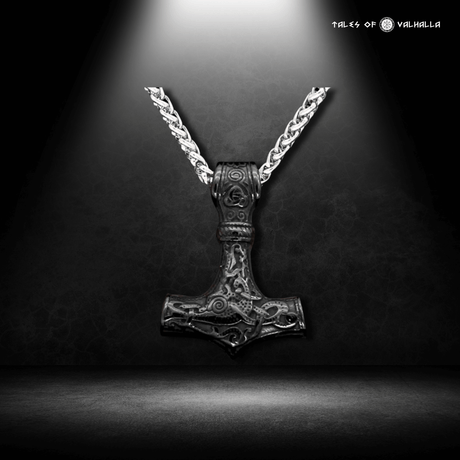
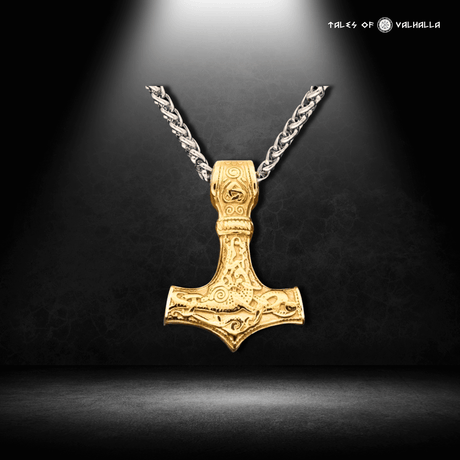
Thor's Hammer (Mjölnir): The most popular pendant design by far. Representing Thor's mighty hammer, this symbol granted strength, protected against chaotic forces, and blessed marriages and farm harvests.
-
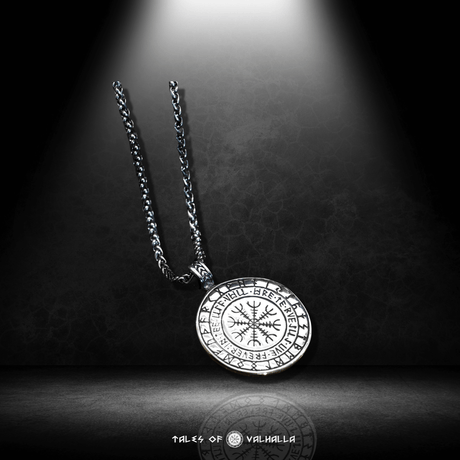
Solar Discs: Round metal pendants featuring geometric patterns that represented the sun, light, and the cycle of seasons.
-
Gungnir (Odin's Spear): Small stick-shaped pendants representing the legendary spear of Odin, symbolizing wisdom, strategy, and martial skill.
-
Valkyrie Figures: Silver figures depicting women carrying drinking horns, representing the maidens who escorted fallen heroes to the afterlife.
-
Miniature Weapons: Small iron or bronze axes, swords, and sickles worn to invoke protection in battle or bountiful agricultural growth.
Arm Rings and Oath Bands
Arm rings were central to Norse social and legal life. These thick bands of twisted or hammered metal were worn around the forearm or upper arm.
Chieftains and kings were frequently described in Old Norse poetry as "ring-givers." When warriors proved their loyalty in battle or successful voyages, their leader rewarded them with heavy silver arm rings. This gift forged a binding political bond between the ruler and the warrior.
Additionally, arm rings played a pivotal role in coming-of-age ceremonies. Young men received their first arm ring upon reaching adulthood, marking their transition into responsible members of the community who could swear binding oaths on their metal bands.
Brooches: The Workhorses of Norse Fashion
Brooches were both artistic masterpieces and essential wardrobe items. Women commonly wore two large oval brooches, often referred to as "tortoise brooches" because of their domed, shell-like shape. These brooches anchored apron dress straps and were frequently connected by strings of colorful glass beads, amber pendants, or small silver utility tools like keys and sewing needles.
Men favored penannular brooches, which featured a long central pin attached to a circular ring with a gap. This design allowed the wearer to push the pin through thick wool fabrics without damaging the weave, securing heavy cloaks against icy mountain winds.
Finger Rings and Decorative Bands
Finger rings became increasingly common during the 10th and 11th centuries as Norse traders established direct trade networks with the Byzantine Empire and the Islamic world. Most finger rings featured open-ended or penannular shapes, allowing the wearer to adjust the sizing without needing a blacksmith to melt down the metal.
Hair and Beard Rings
Long, braided hair and well-kept beards were sources of personal pride for both men and women. Loose hair was impractical during agricultural work, naval navigation, or combat.
To manage their hair, the Norse used decorative metal rings, bone tubes, and leather ties. They passed braids through small silver or bronze rings to keep their hair securely bound, combining functional neatness with personal flair.
The Mystery of Earrings
Earrings were rare in early Scandinavian history. Early Norse communities did not practice ear piercing. However, through extensive river trade across Eastern Europe, Viking travelers encountered Slavic and Byzantine populations who wore earrings regularly. Over time, Norse travelers adopted modified ear cuffs and hanging clips that gripped the outer ear without requiring permanent holes.
Metals, Materials, and Craftsmanship Techniques
Norse artisans, known as blacksmiths and silversmiths, were highly skilled craftspeople who commanded immense respect within their communities. They transformed raw metal ingots, melted foreign coins, and natural materials into exquisite pieces of Viking Jewelry.
Artisans relied heavily on the lost-wax casting technique to create intricate, three-dimensional designs.
First, the craftsman carved a detailed replica of the desired item using beeswax. Next, they encased the wax model in a thick layer of wet clay, leaving a small pouring channel. Once the clay dried, the artisan heated the mold in a forge, melting the wax so it drained away.
The smith then poured molten bronze, silver, or gold into the hollow cavity. After the metal cooled, the craftsman broke the outer clay shell, revealing a detailed casting that was subsequently filed, polished, and hand-chased with delicate geometric punches.
Addressing Common Myths About Viking Jewelry
Despite decades of academic research, several popular misconceptions about Viking Jewelry persist in mainstream media:
-
Myth 1: Viking jewelry was crude, rough, and poorly made.
-
Reality: Norse metalworkers were master artisans. They created sophisticated filigree work, delicate wire braids, and complex geometric interlace patterns that rivaled the finest jewelry produced anywhere in medieval Europe.
-
Myth 2: Only wealthy noblewomen wore jewelry.
-
Reality: Personal adornment was widespread across nearly all levels of Norse society. Even modest farming families owned bronze brooches, carved bone pins, and simple glass beads.
-
Myth 3: Skull pendants and horned helmet motifs were common.
-
Reality: Human skull symbols and horned helmets are 19th-century Victorian romantic inventions. Authentic Norse jewelry focused on animal motifs, geometric knotwork, solar symbols, and weapons of the gods.
The Modern Legacy of Norse Jewelry
Today, Viking Jewelry continues to captivate people around the world. Modern jewelry makers drew inspiration from historical museum pieces, creating accurate replicas and contemporary adaptations that honor ancient craftsmanship.
People choose to wear these historical symbols for various reasons. For some, wearing a silver Thor's hammer or a braided arm ring offers a physical connection to ancestral heritage and historical history. For others, it represents personal resilience, strength, and an appreciation for timeless geometric design.
As archaeological excavations continue to unearth hidden hoards across Northern Europe, our understanding of Norse culture grows deeper. Each discovered silver ring and carved brooch reminds us of a dynamic civilization where art, trade, faith, and daily utility were forged together into wearable masterpieces.
Through these remarkable physical artifacts, the spirit of ancient craftsmanship endures, preserving the legendary stories, traditions, and epic
tales of valhalla.