Imagine a place where the rafters are made of spear shafts and the roof is thatched with golden shields. Imagine a hall so vast that it has five hundred and forty doors, each wide enough for eight hundred warriors to march through abreast. This is not a scene from a Hollywood blockbuster, though modern cinema has certainly tried to capture its scale. This is Valhalla, the Hall of the Slain, located in the celestial realm of Asgard.
For the ancient Norse, Valhalla was more than just an afterlife; it was the ultimate reward for a life defined by courage and iron. Today, in the United States, the word has become synonymous with peak performance, legendary status, and the highest honors. We see it in gym names, video games, and even military jargon. But to truly understand Valhalla, we have to look past the pop culture polish and see it through the eyes of a Viking standing on a wind-swept battlefield.
In this deep dive, we will explore the architecture of this divine hall, the daily lives of the heroes who dwell there, and the cosmic purpose that makes Valhalla the heartbeat of Norse mythology. Whether you are a history buff or someone seeking the "warrior spirit" in your own life, the secrets of Odin’s hall offer a timeless look at what it means to live for something greater than oneself.
The Architecture of Glory: What Does Valhalla Actually Look Like?
The descriptions of Valhalla found in the Poetic Edda and the Prose Edda are nothing short of breathtaking. It is a masterpiece of divine craftsmanship designed to reflect the values of the men who entered it.
A Hall Built of War
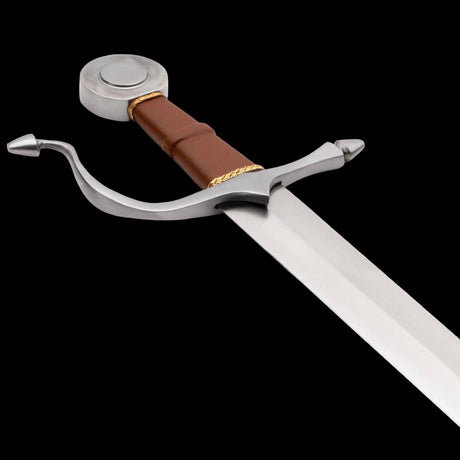
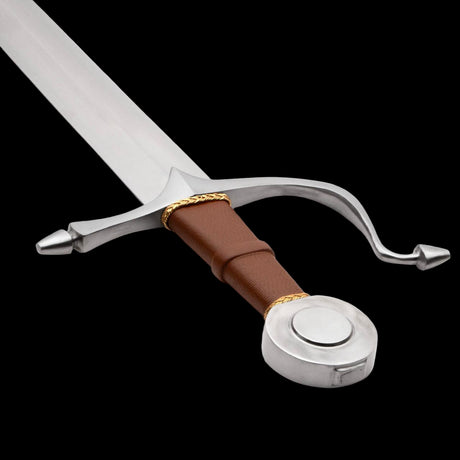
Unlike the marble temples of the Greeks or the pearly gates of other traditions, Valhalla is constructed from the tools of the trade. The walls are lined with shimmering coats of mail, and the light inside comes not from torches, but from the glint of polished swords. It is a place of perpetual readiness.
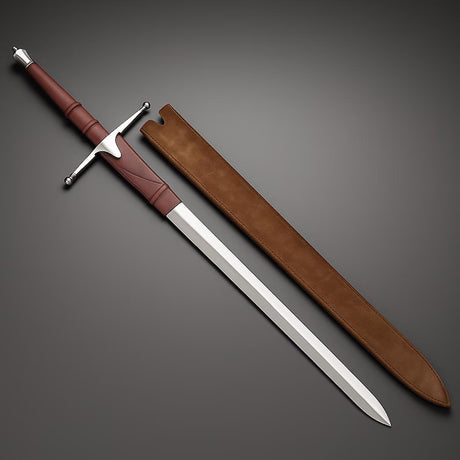
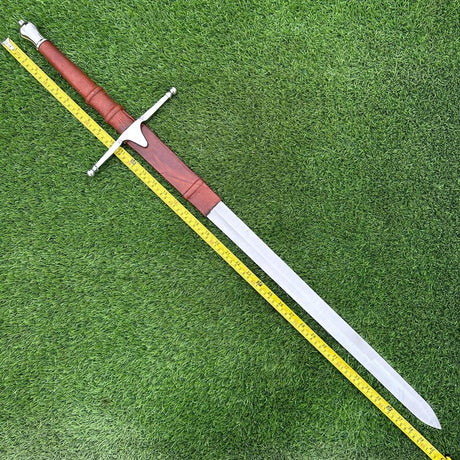
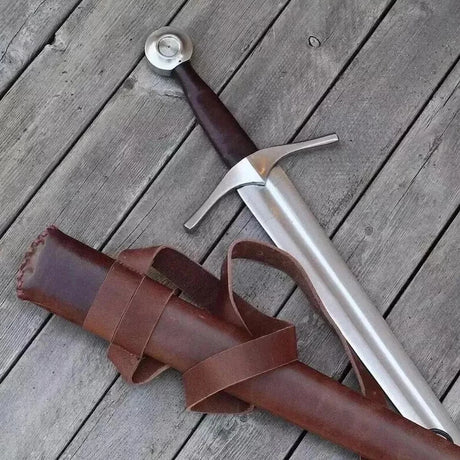
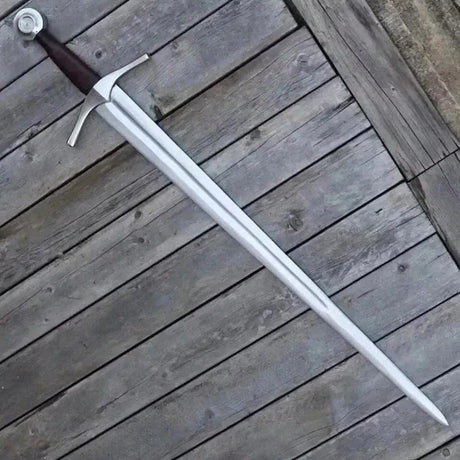
I once spoke with a veteran in Texas who collected historical replicas of Viking weaponry. He told me that when he holds a well-balanced spear, he feels a connection to a specific kind of discipline. That discipline is the foundation of Valhalla. It isn’t a place of "rest" in the traditional sense; it is a barracks for the soul.

Valhalla: Beyond the Gates of the Mythical Hall of Fallen Norse Heroes
Valhalla by the Numbers: The Scale of the Afterlife
To grasp the sheer magnitude of Odin's operation, we can look at the "technical specifications" of Valhalla as recorded in the ancient texts.
| Feature of Valhalla | Mythic Statistic | Modern Significance |
| Number of Doors | 540 | Symbolic of universal access for the brave |
| Door Capacity | 800 warriors per door | High-efficiency deployment for Ragnarok |
| Total Inhabitants | Estimates exceed 432,000 | Massive scale of the "Einherjar" army |
| Daily Nutrition | 100% renewable (Saehrimnir) | The concept of endless abundance and energy |
The table highlights that Valhalla was built for volume and speed. It was a mobilization center. The Norse believed that the world would eventually face a final battle, and Odin was effectively "stockpiling" the greatest talent in human history to prepare for that day.
- See more: Heimdall
The Life of the Einherjar: Fight, Feast, Repeat
The warriors who are chosen to live in Valhalla are known as the Einherjar—those who fight alone or the "once-fighters." Their daily routine is the dream of any ancient Norse warrior, though it might sound like a nightmare to a modern pacifist.
The Eternal Combat
Every morning, the warriors of Valhalla arm themselves and march out to the plains of Ida. There, they fight one another in massive, bloody battles. They fall, they are wounded, and they "die" all over again. But as the sun sets, their wounds heal instantly. They rise, brush the dust from their armor, and march back into the hall as brothers.
The Divine Banquet
Once back inside Valhalla, the feasting begins. They eat the meat of the boar Saehrimnir, who is slaughtered every day and reborn every night. They drink mead that flows from the udders of the goat Heidrun. This cycle represents the "perfect" life: a day of meaningful challenge followed by a night of communal celebration.
This cycle is a powerful metaphor for the American "work hard, play hard" culture. We find fulfillment in the struggle, in the "battle" of the boardroom or the athletic field, because it makes the evening’s rest feel earned. Valhalla codifies this human psychological need into a divine reward.
The Gatekeepers: The Role of the Valkyries
You don't just walk into Valhalla. The entrance requirements are incredibly strict. The selection process is managed by the Valkyries, the "Choosers of the Slain." These are not the winged ladies of Wagnerian opera; they are fierce, armored spirits who fly over battlefields, deciding who lives and who earns a seat at Odin's table.
Selection Criteria
To be chosen for Valhalla, a warrior had to die a "heroic" death, usually in battle with a weapon in hand. But it wasn't just about dying; it was about the manner of living. Odin sought those with the most spirit, the best tactics, and the most unshakeable resolve.
There is a modern real-world example in our elite special forces. Just as a Valkyrie looks for a specific "X-factor" on the battlefield, groups like the Navy SEALs or Army Rangers have selection processes designed to find the few who can withstand the impossible. Valhalla was the original "Tier One" unit.
Addressing the Counterargument: Is Valhalla Only for Men and War?
A common critique of the Valhalla myth is that it is exclusionary and overly violent. Some argue that it promotes a "toxic" version of masculinity where only those who die by the sword have value. If you were a poet, a farmer, or a mother, were you simply left out of the Norse "heaven"?
The nuanced truth is that Valhalla was only one of many afterlives. For example, the goddess Freya gets "first pick" of the dead, taking half of the fallen to her field, Folkvangr. Others went to the halls of their ancestors or to the realm of Hel (which was not a place of punishment, but a quiet, misty continuation of life).
Valhalla was a specialized destination for a specific purpose: the defense of the cosmos. It wasn't "heaven" in the sense of a final resting place for everyone; it was a military academy for the end of the world. Acknowledging this helps us see the Norse worldview as one of "functional" destiny rather than a simple reward/punishment system.

Is Valhalla Only for Men and War?
Valhalla in the 21st Century: The Legacy of Excellence
The spirit of Valhalla lives on in the United States through our fascination with legacy. We are a culture that values "making a name for yourself."
- The Hall of Fame: Whether it's for Rock and Roll or Professional Football, we create literal "halls" to house the memory of our heroes. These are our modern, secular versions of Valhalla.
- The "Warrior Ethos": In our military and first responder communities, the idea of a "warrior's end" still carries a profound weight. The hope that one's sacrifice will be remembered is a direct echo of the Viking's hope for the Valkyries' choice.
- Branding and Identity: From "Valhalla Coffee" to clothing brands, the name is used to evoke a sense of ruggedness, quality, and a "never quit" attitude.
I once visited a gym in a small town in Ohio that had "Valhalla" painted in massive letters over the squat rack. I asked the owner why he chose that name. He said, "Because this is where people come to kill their weaker selves so they can be reborn as something stronger." That is the most accurate modern interpretation of the myth I have ever heard.
Future Projections: Will the Myth of Valhalla Survive?
As we move toward a more digital and less physical world, does a hall built of shields still resonate? Research into the "Hero's Journey" archetype suggests that the answer is a resounding yes.
| Potential Future | Likelihood | Role of Valhalla |
| Virtual Afterlives | Moderate | "Digital Valhallas" where legacies are archived forever. |
| Space Exploration | High | The new "frontier" requiring the warrior spirit of the Einherjar. |
| Shift in Heroism | Very High | Redefining "battle" to include social and scientific struggles. |
We are not likely to stop building "halls" for our heroes. As long as there are people willing to risk everything for a cause, the concept of a place where those sacrifices are honored will remain a central part of the human story.
How to Build Your Own Valhalla
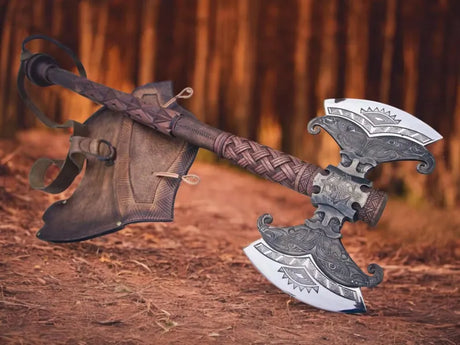
You don't have to carry an axe to live by the principles of Odin’s hall. You can cultivate a "Valhalla mindset" by focusing on:
- Meaningful Struggle: Seek out challenges that make you grow. Don't run from the "battle" of self-improvement.
- Community and Camaraderie: Find your "pack." The Einherjar are brothers because they have bled together. Build deep, resilient relationships based on shared goals.
- Integrity Under Pressure: Be the person who stays in the fight when others walk away.
- Living for Legacy: Ask yourself: "How will I be remembered in the hall of my peers?" Let that answer guide your actions today.
Conclusion
Valhalla is much more than a destination; it is a philosophy of engagement. It tells us that life is a preparation for something larger, and that our actions in the heat of the moment define us forever. It is a place where the hero never truly dies because their story is told and retold by those who remain.
When we look at the golden roof of Odin's hall, we see the potential for human greatness. We see that even in the face of inevitable destruction—the Norse Ragnarok—there is glory to be found in the effort. It is the ultimate rejection of nihilism. If the world is going to end, we might as well go out fighting and feasting.
By studying the myths of the North, we find the tools to sharpen our own resolve. We find the inspiration to stand a little taller and live a little bolder. Every time we choose courage over fear, we are adding another shield to the roof of our own legend. These are the stories that stay with us, the enduring and powerful tales of valhalla.
"Tales of Valhalla is an expert chronicler of the Viking Age, blending scholarly research with master storytelling to revive the Old North. From the hidden depths of Norse mythology to the tactical grit of the sagas, they provide authentic, rich insights into the warriors, leaders, and legends that forged history." - Specialist in Norse mythology and Viking history