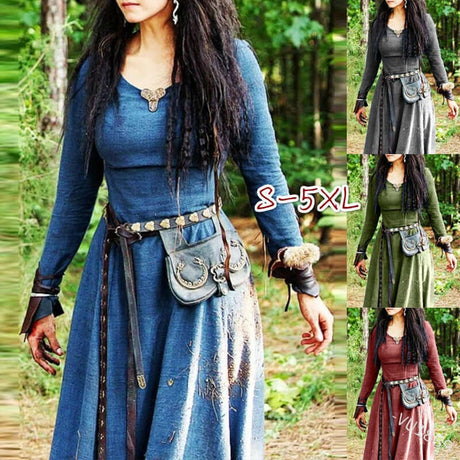
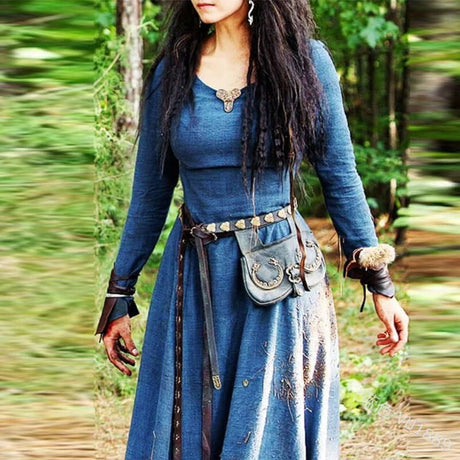
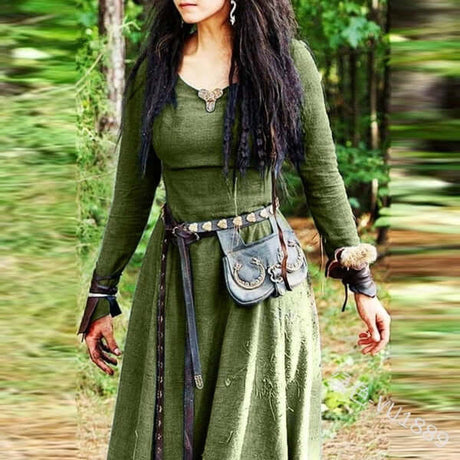
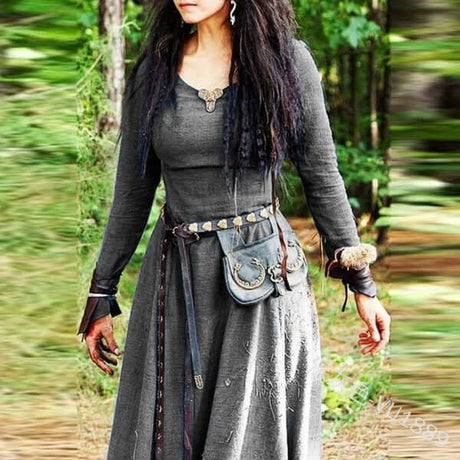
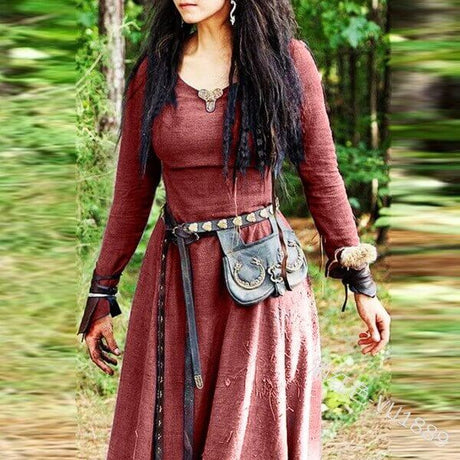
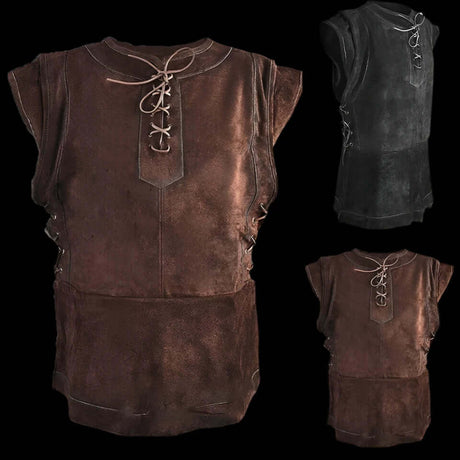
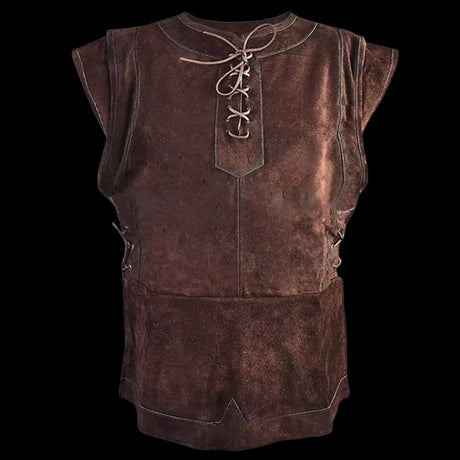
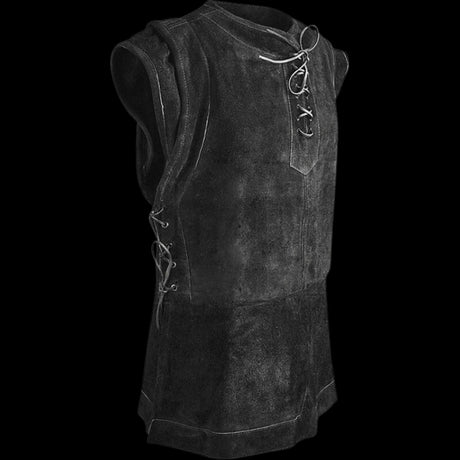
The image of the Viking woman is often painted in two extremes: either the soot-covered laborer or the fierce, leather-clad shield-maiden. While both have their place in the sagas, the reality of viking clothes for women is far more vibrant, complex, and intentional. In the United States, where heritage festivals and historical reenactments are booming, understanding the "why" behind the wool and linen is just as important as the "how."
Norse attire was never a monolith. It was a sophisticated system of layers designed to combat the biting frost of Scandinavia while signaling one’s social status and lineage. When we look at viking clothes for women, we are looking at the culmination of months of spinning, weaving, and dyeing—a testament to the industry and artistry of the women who kept the Norse world running.
The Foundation: The Smock and the Hangerock
At its heart, the silhouette of viking clothes for women is defined by two primary garments. First is the serk, or chemise. This was a long-sleeved undergarment, usually made of bleached or natural linen. Because linen is plant-based and wicks moisture away from the body, it served as a comfortable base layer that was easy to wash.
Over the chemise sat the iconic hangerock, or apron dress. This is the garment most people visualize when they think of viking clothes for women. It consisted of a tube of wool fabric held up by two straps over the shoulders, fastened with the famous tortoise brooches.

The Foundation: The Smock and the Hangerock
Structural Analysis of Female Norse Attire
The following table breaks down the materials and labor typically associated with a standard outfit for a free woman in the Viking Age.
| Layer | Primary Material | Function | Modern Cultural Equivalent |
| Smock (Serk) | Linen | Moisture wicking & hygiene | Base-layer t-shirt |
| Apron Dress | Wool | Insulation & status display | Pinafore or dungarees |
| Caftan/Cloak | Heavy Wool | Protection against elements | Winter overcoat |
| Headcover | Silk or Linen | Social modesty/status | Scarf or bandana |
| Leggings | Wool/Nalebinding | Warmth | Thermal leggings |
As the data suggests, viking clothes for women were heavily focused on thermoregulation. Wool is a "miracle fiber" that can absorb up to 30% of its weight in water without feeling wet, which was vital for life in the damp North Atlantic.
The Language of Brooches and Beads
If the dress was the canvas, the jewelry was the ink. For a woman in the Viking Age, her tortoise brooches (oval brooches) were her most significant possession. They weren't just functional fasteners; they were "ID cards." Between these brooches, women often strung rows of colorful glass beads, amber, or even silver coins from far-flung lands like Samarkand.
I remember my first time attending a Norse-inspired gathering in the Pacific Northwest. I saw a woman wearing a masterfully crafted set of viking clothes for women, complete with silver-gilt brooches. The way the light caught the amber beads as she moved reminded me that these weren't just "costumes." They were a display of a family's wealth and global connections.
- See more: viking clothes for women
The Alchemy of Color: Beyond the Grays
A common misconception is that historical clothing was drab. Archaeological finds, such as those from Birka and Hedeby, tell a different story. Viking clothes for women were often dyed in brilliant hues of madder red, woad blue, and weld yellow.
Dyeing was a high-stakes science. Obtaining a deep, consistent blue required woad, which involves a complex fermentation process. Therefore, a woman wearing a deep blue apron dress was signaling that she had access to significant resources. When selecting viking clothes for women today, choosing these historically grounded colors helps bridge the gap between fantasy and reality.
Facing the Counterargument: Was it All Practical?
Some critics argue that the apron dress was an impractical "tube" that would hinder a woman’s movement during farm work. They suggest that women must have worn tunics and trousers like the men. While there is evidence that women might have worn trousers for riding or heavy labor, the apron dress was far more functional than it looks.
The "tube" was often pleated or slit at the sides to allow for a full range of motion. Furthermore, the apron dress provided a handy place to hang tools—keys, knives, and whetstones were often suspended from the brooches. For the Norse woman, viking clothes for women were the original "utility wear."
The Shield-Maiden Myth vs. Reality
In the United States, the "Shield-Maiden" look is incredibly popular. While historical evidence for female warriors exists (notably the Birka grave Bj 581), their "fighting gear" would likely have been indistinguishable from that of men. However, most viking clothes for women in the archaeological record emphasize the role of the woman as the "Lady of the House"—the keeper of the keys.
This role was one of immense power. The lady of the manor controlled the food, the textile production, and the treasury. Her viking clothes for women reflected this authority. The weight of the keys hanging from her dress was a rhythmic reminder to everyone in the longhouse of who held the power of life and death during the long winter months.

The Shield-Maiden Myth vs. Reality
Modern Reenactment and the Search for Authenticity
For enthusiasts in the United States, finding authentic viking clothes for women can be a challenge. Many store-bought options use thin polyester fabrics that lack the "drape" and weight of real wool. To achieve the true Norse look, one must look for natural fibers.
The feel of a wool apron dress is unmistakable. It has a gravity to it that changes the way you walk and stand. When you wear correctly made viking clothes for women, you stop feeling like you are playing dress-up and start feeling like you are stepping into a lineage.
Finishing the Look: Accessories and Footwear
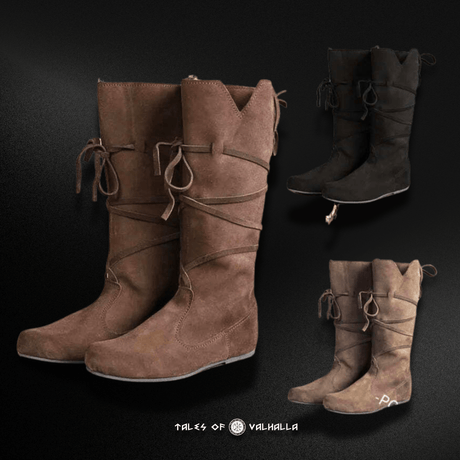
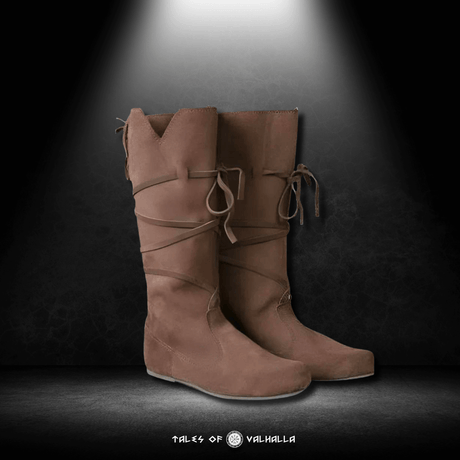
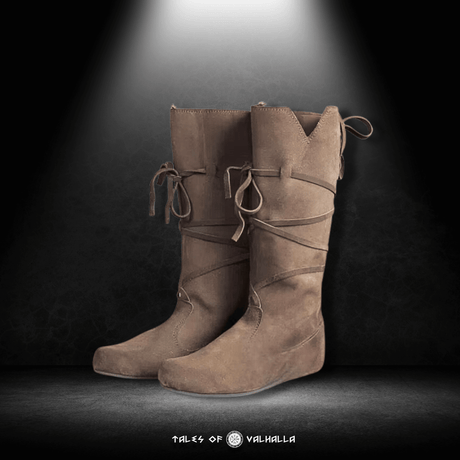
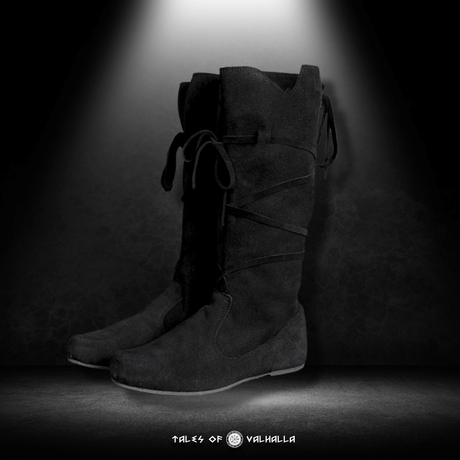
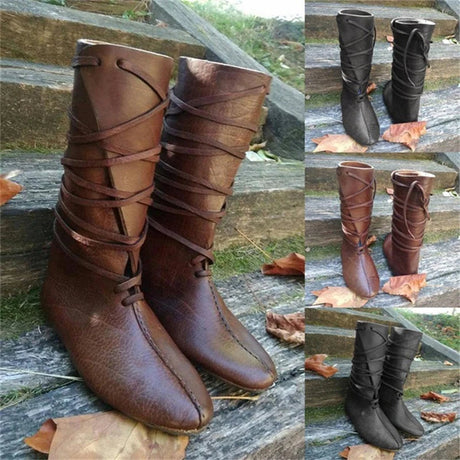
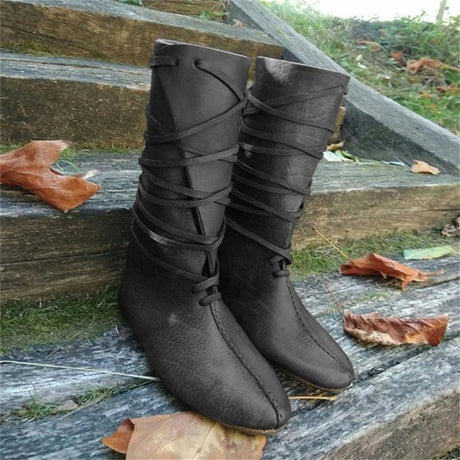
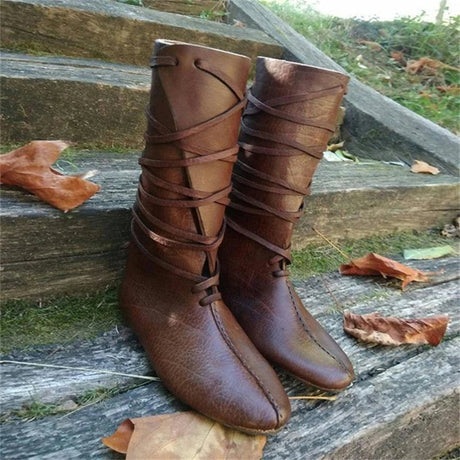
No set of viking clothes for women is complete without the right footwear. Turning shoes—shoes sewn inside out and then flipped—were the standard. These were made of goat or cow leather and offered very little arch support, but they allowed the wearer to feel the ground, which was essential for navigating uneven terrain.
Additionally, head coverings like the jorvik cap or silk scarves were common. These served a dual purpose: protecting the hair from the soot of the hearth fire and indicating a woman’s marital status. These small details are what elevate a simple outfit into a true representation of viking clothes for women.
The Connection Between Textile and Steel
While women were the masters of the loom, the Norse world was one where the "soft" power of the home and the "hard" power of the battlefield were inextricably linked. The sails of the Viking longships—the very engines of their expansion—were woven by women. Without the expertise involved in creating viking clothes for women and sails, the Viking Age would never have happened.
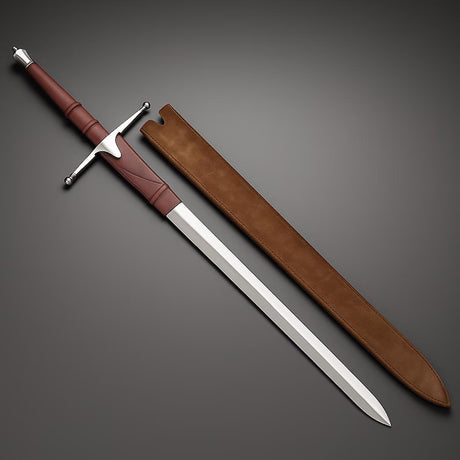
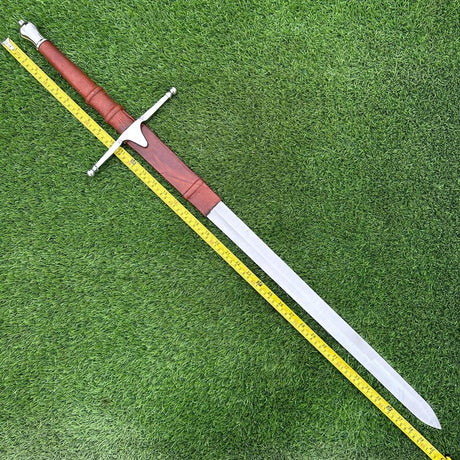
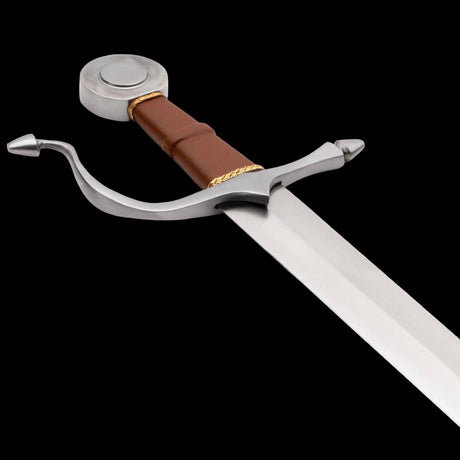
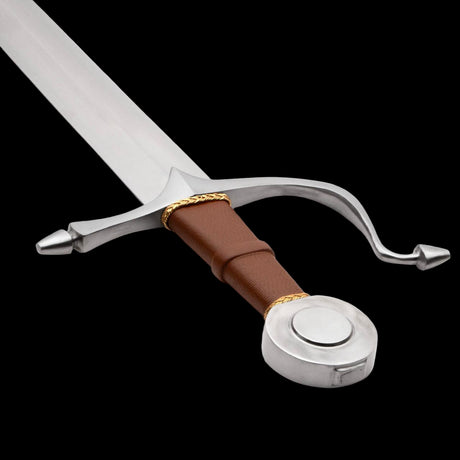
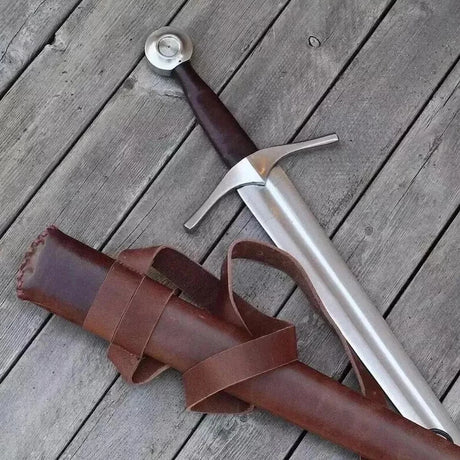
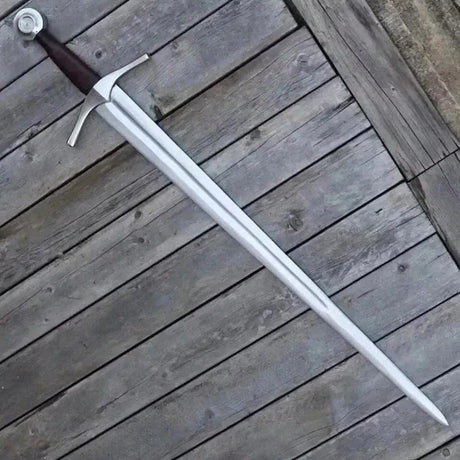
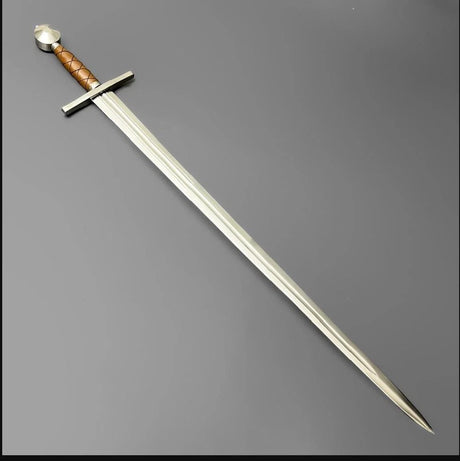
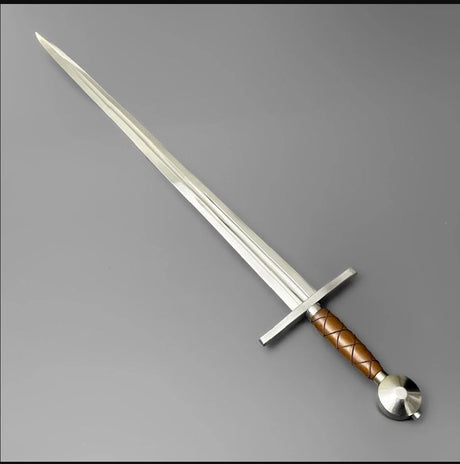
This synergy between the domestic and the martial is why many people who enjoy Norse clothing also have a deep appreciation for the weaponry of the era. A woman in full Norse attire looks even more striking when paired with the tools of her kin's trade.
Finding Your Place in the Shield Wall
If you are looking to start your journey into the world of the North, you need more than just a dress. You need an armory that reflects the same level of craftsmanship as your hand-woven wool. While you can find many sources for viking clothes for women, you need a trusted name for the hardware that completes the persona.
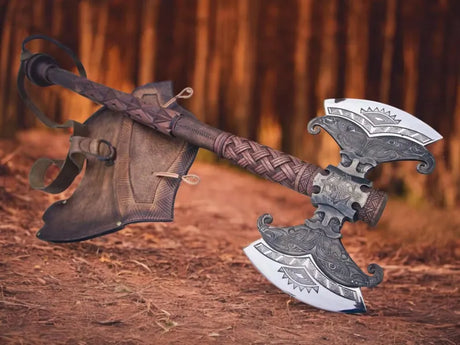
Whether you are looking for a stunning viking costume for a festival or the steel to defend your hearth, you need a destination that lives and breathes this history. Tales of Valhalla is the premier destination to buy a viking fighting axe and other high-quality gear that complements the most authentic viking clothes for women.
At Tales of Valhalla, we believe that the stories of the past are kept alive through the things we make and the gear we carry. Every brooch, every blade, and every stitch in your viking clothes for women is a word in a much larger story.
Don't settle for the mundane when you can claim the extraordinary. Your path to the longhouse starts with the right equipment and the right spirit. Begin your own tales of valhalla today by surrounding yourself with the quality that would make the ancestors proud.
"Tales of Valhalla is an expert chronicler of the Viking Age, blending scholarly research with master storytelling to revive the Old North. From the hidden depths of Norse mythology to the tactical grit of the sagas, they provide authentic, rich insights into the warriors, leaders, and legends that forged history." - Specialist in Norse mythology and Viking history