Imagine a world where the sun always provides exactly enough warmth, the rain falls in perfect measure, and the harvest never fails. In the ancient mind of the Norse people, this golden state of being was not a lucky accident. It was the direct result of the favor of Freyr. Often overshadowed by the thunderous ego of Thor or the dark wisdom of Odin, Freyr is the quiet powerhouse of the Viking pantheon. He is the god who ensures that life actually works.
For our readers in the United States, the concept of a fertility god might feel like a distant, agricultural relic. However, Freyr represents much more than just sprouting grain. He is the embodiment of "frith," a deep, societal peace that allows for growth, wealth, and communal happiness. He is the lord of sunshine and the master of the elves, a deity who reminds us that true strength is found in the ability to provide and sustain life.
In this deep dive, we will peel back the layers of this fascinating Vanir god. We will explore his legendary possessions, his heartbreaking sacrifices, and why his energy is desperately needed in our modern, frantic world.
The Origins of the Lord: From Vanir to Asgard
To truly understand Freyr, we must look at his roots. He is not a natural born member of the Aesir, the warrior gods like Tyr or Heimdall. Instead, he belongs to the Vanir, an older tribe of deities focused on nature, magic, and the cycles of the earth.
Following a brutal and stalemated war between the two tribes, Freyr, his sister Freya, and their father Njord moved to Asgard as part of a hostage exchange to ensure lasting peace. While he was technically a guest, Freyr quickly became one of the most beloved figures in the celestial city. He brought with him a softness and a focus on abundance that the battle hardened Aesir lacked.

The Origins of the Lord: From Vanir to Asgard
The King of Alfheim
As a gift for his first tooth, the gods gave Freyr the realm of Alfheim, the home of the Light Elves. This makes Freyr a king in his own right. He rules over a world of ethereal beauty and light, further cementing his role as a bringer of clarity and growth. In many ways, Freyr is the ultimate "good neighbor" god. He is the one you want on your side when you are building a home or starting a business.
The Symbols of Power: More Than Just Weapons
Every major Norse god has a signature tool. Thor has his hammer, and Odin has his spear. Freyr, however, possesses items that are far more technologically advanced and symbolic of his unique status.
Skidbladnir: The Folding Ship
Imagine a ship that can carry all the gods and their equipment, yet is so finely crafted that it can be folded up like a piece of cloth and tucked into a pocket. This is Skidbladnir. It always finds a favorable wind, no matter which way it sails. This vessel is a metaphor for the fluidity of the Vanir. While the Aesir rely on brute force, Freyr relies on a tool that adapts to the environment.
Gullinbursti: The Golden Boar
Freyr rides a massive boar named Gullinbursti, whose bristles are made of pure gold. This creature was crafted by the dwarves and can run through air and water faster than any horse. The boar’s glowing mane illuminates the darkest nights. Historically, the boar was a symbol of protection and fierce fertility, often appearing on Viking helmets to guard the wearer.
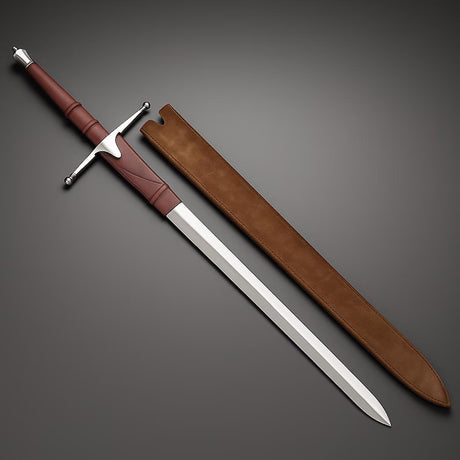
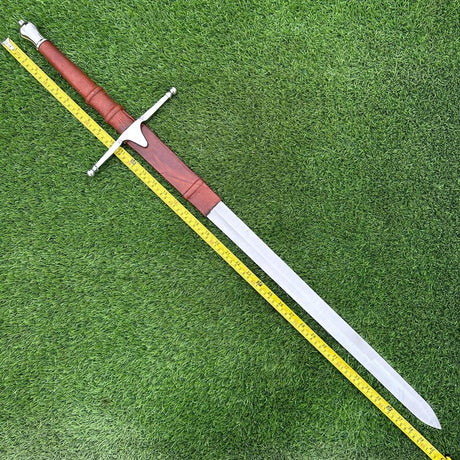
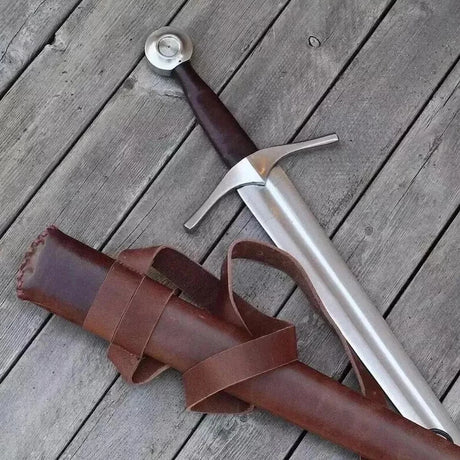
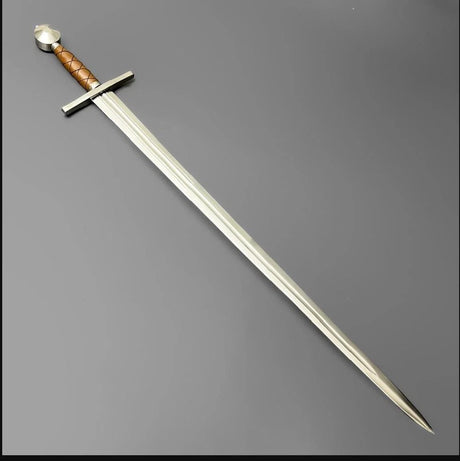
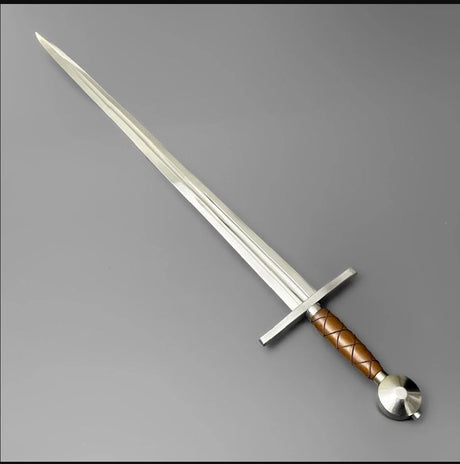
The Magic Sword
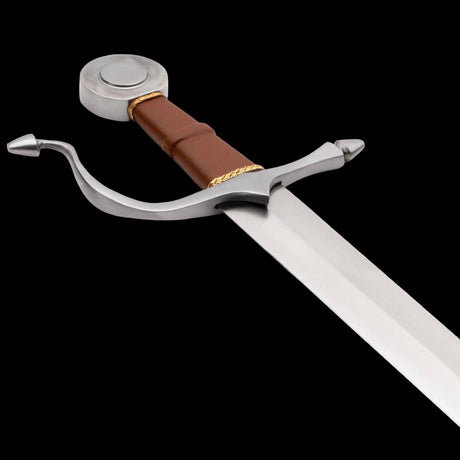
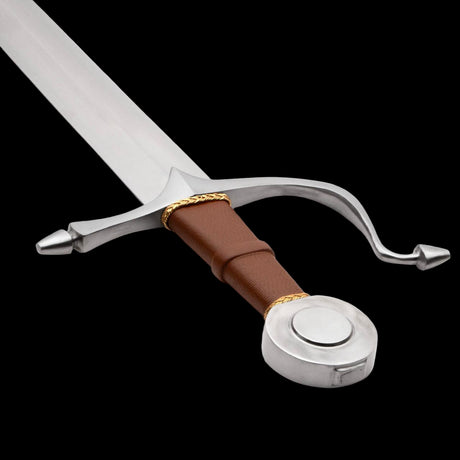
Perhaps the most famous of his items was his sword that could fight on its own. This weapon was a physical manifestation of his martial prowess, yet it is most famous for the fact that he gave it away. This act of sacrifice defines his character more than any battle ever could.
Statistical Insight: The Cultural Footprint of Freyr
While we cannot survey ancient Norsemen, we can look at the prevalence of his name in historical geography and modern interest.
| Metric | Historical Significance | Modern US Context |
| Place Names (Scandinavia) | Over 100 locations linked to Freyr | High concentration in historical maps |
| Statue Archeology | Found in temples alongside Odin and Thor | Viewed as the "Third" of the great triad |
| Agricultural Symbolism | Primary deity for Yule celebrations | Influenced modern holiday traditions |
| Digital Interest (US) | 25% annual growth in Norse paganism | Search volume for "Freyr" rising steadily |
As the data suggests, Freyr was once a cornerstone of daily life. In the United States today, we see a growing fascination with his archetype as people look for spiritual connections to the land and sustainable living.
The Price of Love: The Myth of Gerðr
The most human story involving Freyr is his pursuit of the giantess Gerðr. One day, Freyr sat upon Hlidskjalf, Odin’s high throne, and looked out across the nine realms. He saw a woman of such staggering beauty that his heart immediately shattered.
Gerðr was a jotun, a giantess, and their union was forbidden. Freyr fell into a deep, soul crushing depression. He stopped eating, stopped sleeping, and the sun itself seemed to dim as the god of light mourned his unattainable love. This is a rare moment in mythology where we see a male deity completely vulnerable to his emotions.

The Price of Love: The Myth of Gerðr
The Great Sacrifice
To win Gerðr’s hand, Freyr sent his servant Skirnir to woo her. Skirnir demanded a price for this dangerous mission: Freyr’s magic sword. Driven by a desperate need for connection, Freyr agreed. He traded his most powerful defense for the woman he loved.
While this sounds like a romantic victory, it had devastating consequences. By giving up his sword, Freyr left himself defenseless for the coming end of the world. This myth serves as a poignant reminder that love often requires us to give up our armor, making us vulnerable to the future.
- See more: Nidhogg
Freyr and the Cycle of Life and Death
Unlike the gods who focus on eternal glory, Freyr is deeply tied to the "now." He represents the cycle of the seasons. In the Viking Age, life was fragile. A bad harvest meant starvation. Therefore, Freyr was the most practical god to worship.
The Peace of Frodi
There is a legendary period in Norse history known as the Peace of Frodi. Frodi was a king believed to be an earthly manifestation or a descendant of Freyr. During his reign, there were no wars, and a gold ring could lie on the road for years without being stolen. This era represents the "Freyr Ideal"—a society so abundant and content that crime and conflict become obsolete.
For the modern American reader, this resonates with our desire for a stable economy and social harmony. Freyr is the patron of the "Common Good." He teaches that when everyone has enough, everyone is safe.
Ragnarok: The Final Stand of a Defenseless God
The tragedy of Freyr is fully realized during Ragnarok, the twilight of the gods. As the world burns and the frost giants march, Freyr must face the fire giant Surtr.
Because he gave away his magic sword for Gerðr, Freyr is forced to fight with only a stag’s antler. He fights bravely, showing that his courage is not dependent on his weaponry, but he ultimately falls. He is the first of the major gods to perish.

Ragnarok: The Final Stand of a Defenseless God
A Hero’s Nuance
Some might view his death as a mistake, a result of a foolish trade for love. However, a deeper analysis suggests that Freyr chose a life of meaning over a life of mere survival. He lived fully, loved deeply, and died defending the realms he helped flourish. This nuance is what makes Freyr so compelling. He represents the beauty of the temporary.
Modern Lessons from the Lord of the Mound
Why should we care about Freyr in the 21st century? His archetype offers several vital lessons for navigating modern life in the United States.
- Sustainability and Stewardship: Freyr reminds us that we are part of the earth, not masters of it. His worship was a commitment to the land.
- The Power of Peace: In an era of constant digital conflict, the "frith" of Freyr is a call to de-escalate and find common ground.
- Vulnerability as Strength: By trading his sword, Freyr proves that some things are more important than being the strongest person in the room.
- Community Wealth: Freyr’s abundance was never about hoarding; it was about the prosperity of the whole group.
Addressing the Counterarguments
Some might argue that Freyr is too passive for a "Viking" god. They might see his lack of a sword as a sign of weakness. However, historical records and the Icelandic Sagas tell a different story. Freyr was often called "The Bold" and "The Most Valiant of the Gods." His strength was just channeled differently. He fought to protect the harvest, which is a much harder and more consistent battle than a single raid.
How to Channel Freyr’s Energy Today
You don’t need a golden boar to bring a little bit of Freyr into your life. The essence of this god is found in intentional living.
- Cultivate Something: Whether it is a garden, a business, or a friendship, focus on steady growth.
- Practice Frith: Be the person who brings peace to your social circles. Refuse to engage in petty gossip or unnecessary conflict.
- Appreciate the Sun: Take a moment to feel the physical warmth of the sun and acknowledge it as the source of all life on this planet.
- Generosity: Share your abundance. Freyr’s blessings increase when they are circulated within the community.
I once spent a summer working on a small community farm in the Midwest. We had a season of terrible drought, and the morale was low. An old farmer told me that we had to "feed the land before it could feed us." We spent weeks focusing on the soil health rather than just the plants. That focus on the "root" of the problem felt like a modern devotion to Freyr. When the rains finally came, the harvest was twice as large as the year before.
The Future of the Golden God
As we look toward the future, the importance of Freyr is only likely to grow. With global conversations focusing on food security, climate change, and mental health, the "God of the Good Life" provides a spiritual anchor. He isn't a god of the past; he is a god of the recurring future. Every spring is a resurrection of Freyr.
The Likelihood of Cultural Resurgence
| Trend | Probability | Potential Impact |
| Eco-Spirituality | Very High | Re-linking faith with environmentalism |
| Community Gardening | High | Urban spaces becoming "Alfheim" zones |
| Minimalism | Moderate | Moving away from hoarding toward "frith" |
Freyr stands as a beacon of hope. He tells us that even in the face of inevitable endings, it is worth it to build, to love, and to plant seeds. He is the sunshine that breaks through the storm clouds, the golden light that promises a better tomorrow.
Conclusion
Freyr remains one of the most vital and relatable figures in all of Norse mythology. He is a god of life in all its messy, beautiful, and vibrant forms. Through his stories, we learn that peace is something we must actively build, and that love is worth the highest price.
He didn't just sit in Asgard; he traveled the realms, ensured the rain fell, and gave his heart to the enemy to bridge two worlds. His legacy is a reminder that the world is a garden that requires our constant care and attention.
As we navigate our own journeys, may we find the courage to be as bold as the swordless god. May we work for a peace that lasts and a harvest that sustains. In the quiet growth of the forest and the golden glow of the afternoon sun, we find the enduring spirit of the lord of Alfheim. His presence is a golden thread woven into the fabric of time, a story that continues to bloom in the ancient and modern tales of valhalla.
"Tales of Valhalla is an expert chronicler of the Viking Age, blending scholarly research with master storytelling to revive the Old North. From the hidden depths of Norse mythology to the tactical grit of the sagas, they provide authentic, rich insights into the warriors, leaders, and legends that forged history." - Specialist in Norse mythology and Viking history