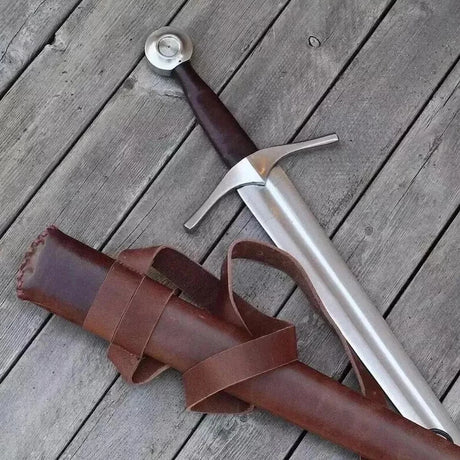
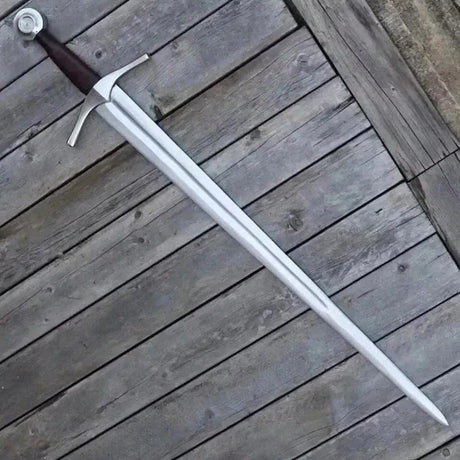
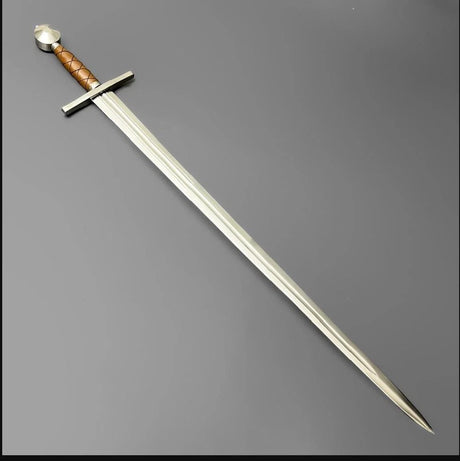
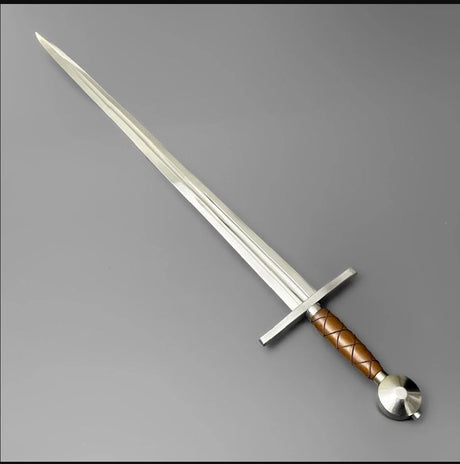
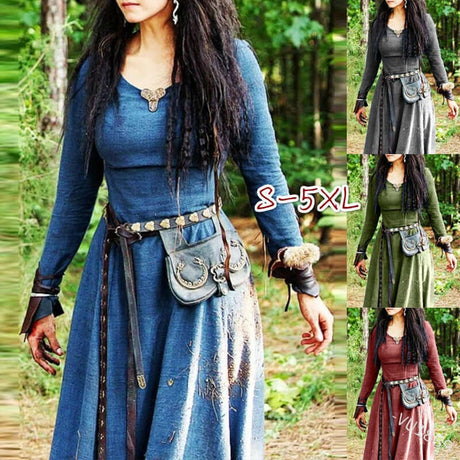
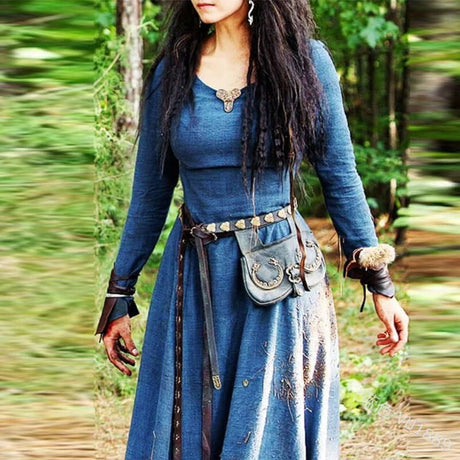
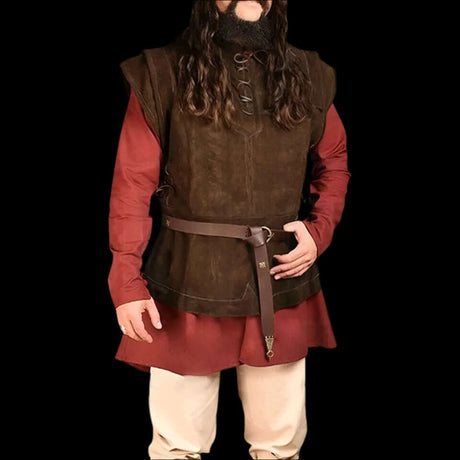
When we conjure images of the Viking Age, our minds typically drift to the thunder of crashing waves, the glint of bearded axes, and the fierce reputation of Norse raiders. We see a world of iron, but rarely do we look for the honey. Yet, beneath the layers of chainmail and the strategic political alliances, there beat hearts that were remarkably human. Romantic love in the Viking Age was a complex tapestry woven with threads of duty, deep-seated passion, and a surprisingly progressive view of partnership.
For modern audiences in the United States, where dating apps and "situationships" dominate the landscape, the courtship rituals of the ancient Northmen offer a fascinating contrast. It was a time when a well-crafted poem could be as seductive as a physical conquest, and where the bond between a man and a woman was often the most vital "shield wall" of all.
The Foundation of Affection: Love as a Strategic Alliance
In the Viking Age, marriage was rarely just about two individuals. It was the merging of two families, two fortunes, and two reputations. However, it is a mistake to assume these unions were devoid of affection. While the initial spark might have been lit by a land deal, the flame was kept alive by mutual respect.
In the Norse world, a household was a miniature kingdom. The "Lady of the House" held the keys to the chests, managed the estate while her husband was "a-viking," and held legal rights that her counterparts in the rest of Europe wouldn't see for centuries. This equality created a unique breeding ground for a deep, companionate romantic love.

The Foundation of Affection: Love as a Strategic Alliance
The Legal Rights of the Norse Woman
To understand love in the Viking Age, we must look at the legal standing of women. Unlike many medieval cultures, Norse women could own property and, most importantly, they could initiate a divorce. If a husband was disrespectful, lazy, or—in a quirky historical twist—wore his shirt too low, a woman could declare herself divorced in front of witnesses.
"A woman's love is a wild thing, but her respect is an iron gate." — Derived from the Poetic Edda
This dynamic meant that men in the Viking Age had to actively "court" their wives even after the wedding. Love wasn't a static state; it was a daily negotiation of honor and care.
Courtship and the Art of the "Love Poem"
If you think modern "DMs" are complicated, imagine trying to woo someone in 10th-century Scandinavia. Courtship was a high-stakes game. Interestingly, the Viking Age had a very specific (and dangerous) relationship with romantic poetry.
The Danger of the Mansöngr
Writing "mansöngr"—or love poetry—was actually illegal in many parts of the Norse world. Why? Because a poem suggested that the man had a power over the woman’s reputation. If a man sang of his desire for a woman, it could be seen as an insult to her family’s honor unless he intended to marry her.
Despite the laws, the Sagas are overflowing with "Skalds" (poets) who couldn't help themselves. They used complex metaphors called kennings to describe their beloved. A woman wasn't just beautiful; she was the "Goddess of the Golden Hair" or the "Sif of the Silken Gown."
The Statistical Reality of Norse Unions
While the Sagas focus on the elite, archaeological finds and legal texts give us a glimpse into the broader demographic reality of the Viking Age.
| Aspect of Romance | Viking Age Reality | Modern U.S. Comparison |
| Average Marriage Age | Women: 12-15; Men: 20-25 | Women: 28; Men: 30 |
| Divorce Rate | Fairly common; legally simple | Approx. 40-50% |
| Primary Goal | Social stability & survival | Personal fulfillment & companionship |
| Courtship Style | Family-brokered with individual input | Individual-driven; digital-first |
The data suggests that while the Viking Age prioritized the "clan," the individual's right to exit a bad relationship was surprisingly similar to our modern American values.
Anecdotes of the Sagas: Love Beyond the Grave
To truly feel the pulse of romance in the Viking Age, we have to look at the stories they told themselves. One of the most heartbreaking accounts is found in Laxdaela Saga, centered around Guðrún Ósvífursdóttir.
Guðrún was married four times, but her true love was Kjartan Ólafsson. Due to a series of betrayals and misunderstandings, she ended up ordering Kjartan's death. Later in life, when her son asked her which man she loved the most, she gave a hauntingly honest answer:
"I was worst to him I loved the best."
This anecdote highlights the "fire and ice" nature of Norse romance. It wasn't always "happily ever after." It was intense, often tragic, and deeply intertwined with the concept of Fate. In the Viking Age, love was a force that could build a hall or burn it down.
Freyja and Frigg: The Archetypes of Desire
The Norse didn't just experience love; they deified it. Their mythology offered two distinct "flavors" of romantic connection through the goddesses Freyja and Frigg.

Freyja and Frigg: The Archetypes of Desire
- Freyja: The goddess of beauty, fertility, and war. She represents the "lightning bolt" of attraction—the wild, unbridled passion that sends a warrior across the sea just to catch a glimpse of a face.
- Frigg: The goddess of the hearth and marriage. She represents the "embers"—the long-lasting, strategic, and protective love that keeps a family whole through a brutal winter.
A healthy relationship in the Viking Age was expected to balance both. You needed the fire of Freyja to start the union, but the wisdom of Frigg to sustain it.
Counter-Arguments: Was it Only About Power?
Critics often argue that romantic love is a modern "invention" and that people in the Viking Age were too busy surviving to care about "feelings." They point to the high number of arranged marriages as evidence of a cold, transactional society.
However, research into the Hávamál—the wisdom of Odin—reveals a different story. The text contains numerous warnings about the "sickness" of love and how it can make a wise man a fool. You don't warn people about a "sickness" that doesn't exist. The Vikings were acutely aware of the power of attraction; they simply believed that love should be tempered with common sense.
In the United States today, we often prioritize "chemistry" above all else. The Norse would argue that chemistry is the wind, but character is the anchor. You need both to survive the storm.
Symbols of Affection: The Gift-Giving Culture
In a culture without engagement rings, how did one show affection? Through the "Morning Gift" (mundr). After the first night of marriage, the husband would give his wife a gift—often land, livestock, or jewelry—that became hers alone. This was an insurance policy, a sign of trust, and a romantic gesture all in one.
Archaeologists have found intricate "tortoise brooches" and silver neck-rings in female graves across the Viking Age geography. Many of these items show signs of long-term wear and repair, suggesting they were cherished mementos of a partner's esteem.
Applying Viking Wisdom to Modern Romance
How can we take the grit of the Viking Age and apply it to our lives in the U.S.?
- Seek a Partner, Not a Prize: The Vikings valued "Drengr"—a person of unshakable integrity. Look for a partner who can stand in your "shield wall."
- Respect the "Morning Gift": Invest in your partner’s independence. A relationship is strongest when both people choose to stay, not when one is forced to rely on the other.
- Mind the "Used Path": As the saying goes, "Weeds grow on the unused path." Make the effort to visit your partner’s heart often.
- Communicate with Skaldic Clarity: You don't have to write poetry, but you should speak your truth. In the Viking Age, your word was your bond.
Conclusion: A Legacy of Loyalty
The Viking Age was a time of extremes, and its approach to romance was no different. It was a world where love had to be tough enough to survive the cold, yet tender enough to make the homecoming worth the journey. These men and women weren't just warriors and weavers; they were lovers who navigated the turbulent seas of the heart with the same courage they used to navigate the Atlantic.
By understanding the balance of power, the danger of passion, and the sanctity of the "shield wall" partnership, we gain a new perspective on our own modern relationships. We learn that love isn't just a feeling—it’s an action. It’s the decision to stand by someone when the giants are at the gate.
Your own romantic journey is a saga in the making. Every act of loyalty, every shared sacrifice, and every moment of deep respect adds a verse to your story. These are the tales of valhalla that we write in the quiet moments of our lives, proving that even a thousand years later, the heart of the Viking still beats within us.
"Tales of Valhalla is an expert chronicler of the Viking Age, blending scholarly research with master storytelling to revive the Old North. From the hidden depths of Norse mythology to the tactical grit of the sagas, they provide authentic, rich insights into the warriors, leaders, and legends that forged history." - Specialist in Norse mythology and Viking history