When we imagine the Norse people, we often picture them breaking into places—shattering monastery doors and raiding coastal villages. However, we rarely stop to consider what happened when those same warriors returned home. How did they protect their own hearths? In the Viking Age, your home was more than just a shelter; it was your fortress, your storehouse, and the physical manifestation of your family's honor.
In the modern United States, we rely on smart locks, motion sensors, and digital encryption. But for a family living in a 9th-century longhouse, security was a blend of heavy iron, clever mechanics, and the sheer presence of the "Lady of the House." This deep dive explores the ingenious methods of household security during the Viking Age, revealing that the Norse were just as skilled at keeping people out as they were at breaking in.
The Warden of the Keys: Women and the Sovereignty of the Home
In the Viking Age, the most powerful security system wasn't made of metal; it was held in the hands of a woman. While men were often away on seasonal raids or trading expeditions, the management and defense of the farm fell to the women.
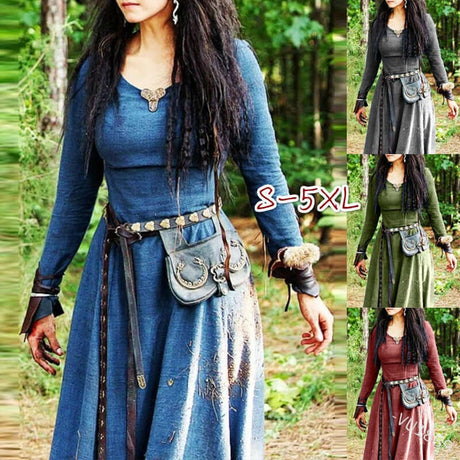
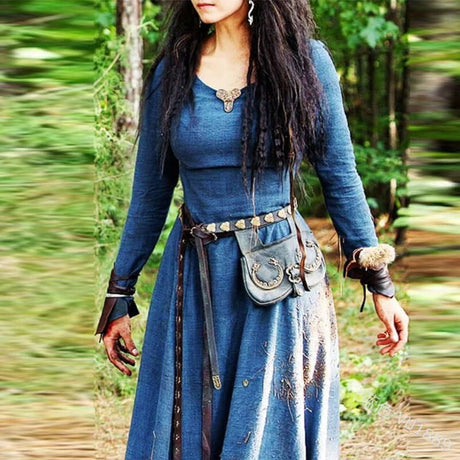
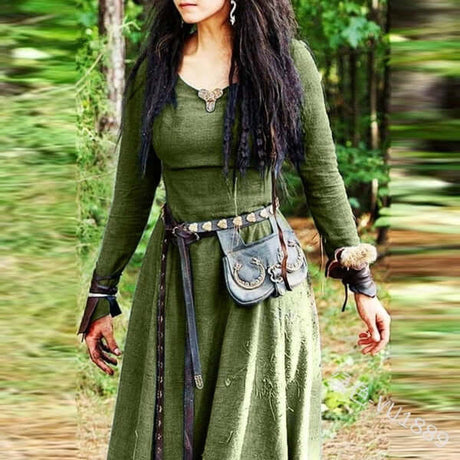
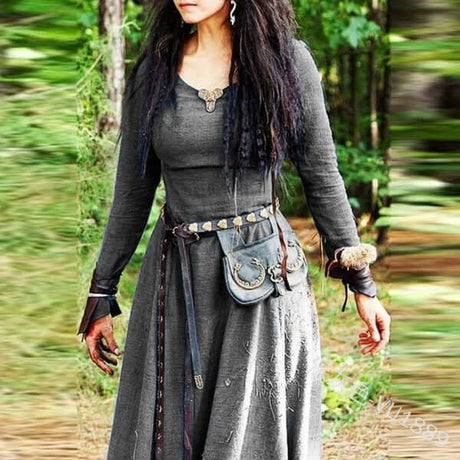
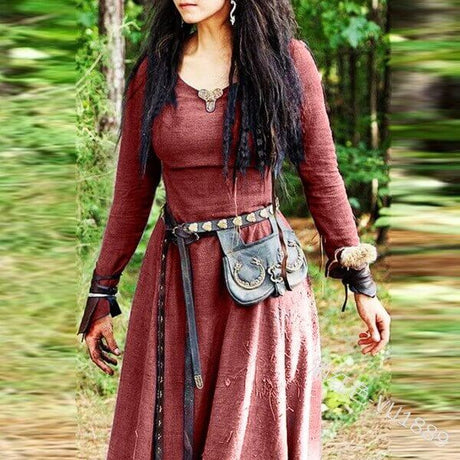
Archaeological excavations across Scandinavia have revealed a fascinating trend: women were frequently buried with sets of intricate iron keys hanging from their brooches. This wasn't just a fashion statement. These keys symbolized the húsfreyja (the mistress of the house) and her absolute authority over the family’s resources.

The Warden of the Keys: Women and the Sovereignty of the Home
The Symbolic Power of the Key
For a woman in the Viking Age, the keys represented her status as the gatekeeper. She locked the food stores, the silver chests, and the textile rooms. This tradition was so ingrained that a woman could legally divorce her husband if he took her keys away without cause.
"She who holds the keys holds the lifeblood of the farm." — Common Norse Proverb
This cultural focus on "locking up" tells us that even in a society built on communal loyalty, theft was a very real threat. The Vikings weren't just wary of outsiders; they were cautious about the "wolves" within their own social circles.
The Mechanics of Norse Security: From Wood to Iron
The actual locks of the Viking Age were remarkably sophisticated. While the common person might have used a simple wooden bar across the door, the wealthy invested in complex iron mechanisms that would feel surprisingly familiar to a modern locksmith.
1. The Bolt and the Bar
The most basic form of security was the cross-bar. A heavy timber beam would slide into sockets on either side of the doorframe. Simple? Yes. Effective? Absolutely. It required massive brute force to break, acting like a medieval deadbolt.
2. Padlocks and Barrel Locks
For chests containing silver and jewelry, the Vikings used barrel locks and spring-bolt padlocks. These were often made of iron or copper alloy and required a specific key to compress internal springs, allowing the bolt to slide free.
3. The "Hidden" Locking Systems
Some longhouses featured doors with "hidden" release mechanisms—levers or pins disguised as decorative carvings. These functioned as a low-tech version of a keypad, requiring specific knowledge to operate.
Security Statistics: Analyzing the Viking Household
To understand the scale of security in the Viking Age, we can look at the distribution of lock-related artifacts found in archaeological sites.
| Artifact Type | Frequency in Urban Sites (e.g., Hedeby) | Security Purpose |
| Iron Keys | High (Found in 1 in 4 female graves) | Symbol of authority and chest access |
| Barrel Locks | Moderate | Securing trade goods and precious metals |
| Door Hooks | Very High | Basic internal privacy and latching |
| Padlocks | Low (Reserved for the elite) | Portable security for "A-viking" expeditions |
The high frequency of keys in female graves in the Viking Age suggests that "household security" was a primary concern for the average family, not just the kings. It reflects a society that valued private property and the protection of domestic assets.
The Architecture of Defense: More Than Just Walls
Security in the Viking Age wasn't just about the door; it was about the design of the entire homestead. The typical longhouse was built to be a deterrent.
The Longhouse Layout
A longhouse usually had very few windows—if any. The ones that did exist were small and high up, making it impossible for an intruder to climb through. The walls were thick, often made of wattle and daub or turf, providing a literal "earthwork" against attack.
The "Shield" of the Perimeter
Most Norse farms were surrounded by a garðr (a fence or enclosure). This wasn't just to keep livestock in; it served as the first line of defense. In the United States, we call this "defensible space." By creating a clear boundary, the Norse homeowner forced any visitor to announce themselves before they reached the front door.
Anecdotes from the Sagas: When Security Failed
The Sagas are full of stories where a good lock made the difference between life and death. In Njal's Saga, the burning of Njal’s house is a pivotal moment. The attackers couldn't easily get inside because the doors were barred and the roof was sturdy. They eventually had to resort to setting the house on fire—a desperate and dishonorable tactic.
In another account, a thief attempted to pick a lock on a chest in the middle of the night. The sound of the iron springs clicking—the very sound of Viking Age engineering—alerted the household dog, who woke the family. This reminds us that security was always a multi-layered approach: physical locks, watchful animals, and a light-sleeping family.

Anecdotes from the Sagas: When Security Failed
Counter-Arguments: The Illusion of Privacy?
Some historians argue that "privacy" didn't exist in the Viking Age. In a longhouse where thirty people slept in one room, what was the point of a lock?
While it’s true that personal privacy was limited, security was a different matter. The locks weren't meant to keep family members away from each other; they were meant to keep "the world" away from the family’s wealth. In a gift-giving economy, silver was your life insurance. If your chest was raided, your social standing disappeared. Therefore, the lock was a guardian of your reputation as much as your riches.
Modern Applications: What We Can Learn from the Norse
Why does the security of the Viking Age matter to us in the U.S. today? It teaches us about the psychology of safety.
- Visibility is a Deterrent: The keys worn on the outside of the dress were a signal: "This house is managed and protected."
- Layered Defense: Don't just rely on a digital lock. The Norse used a fence, a dog, a bar, and a key.
- Ownership of Responsibility: The húsfreyja didn't outsource her security. She held the keys herself. In our modern world, taking a proactive interest in our own household safety—rather than just trusting a third-party app—is a very Viking trait.
Conclusion: Guardians of the Hearth
The Viking Age was a time of immense transition and danger, but it was also a time of profound domestic pride. The locks and keys of the era weren't just cold pieces of iron; they were the silent sentinels that allowed a family to sleep soundly while the Northern winds howled outside.
By looking back at how these "warriors" secured their homes, we see a side of them that is often ignored: the side that valued stability, the side that respected the authority of the home-keeper, and the side that understood that a well-fastened door is the start of a peaceful life.
Your home is your hall. Whether you protect it with a smart-lock or a heavy deadbolt, you are continuing a tradition of guardianship that stretches back over a thousand years. These are the tales of valhalla we tell through our diligence, our care, and our commitment to protecting those we love. Stand guard over your hearth, keep your keys close, and let your home be your sanctuary.
"Tales of Valhalla is an expert chronicler of the Viking Age, blending scholarly research with master storytelling to revive the Old North. From the hidden depths of Norse mythology to the tactical grit of the sagas, they provide authentic, rich insights into the warriors, leaders, and legends that forged history." - Specialist in Norse mythology and Viking history