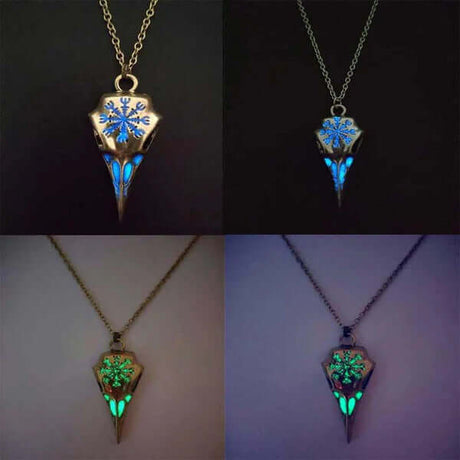
When we look toward the stormy skies or feel the weight of a difficult decision, we are stepping into the territory of the oldest seeker of truth. Odin, the high god of the Norse pantheon, is not your typical king. He is a figure defined by a relentless, almost obsessive pursuit of knowledge. While other gods might be content with their power, Odin knows that power without wisdom is a hollow shell. For many in the United States today, the image of Odin has been shaped by comic books and fantasy epics, but the real story is far more visceral and deeply human.
He is the All-Father, the leader of the Aesir gods, and the ruler of Asgard. Yet, he is also a wanderer. He is the old man in a wide-brimmed hat and a blue cloak, walking the earth with a single piercing eye, accompanied by two ravens and two wolves. He is a god of war, but he is also a god of poetry. He is a god of the elite, but he is also the god of the outcasts and the hanged.
In this exhaustive exploration, we will unpack the layers of Odin. We will discuss why he sacrificed his eye, how he discovered the magical alphabet of the runes, and why his leadership style remains a fascinating case study for modern thinkers. We are moving beyond the surface to understand the spirit of a deity who chose suffering if it meant gaining an ounce of truth.
The Sacrifice at Mimir’s Well: The Cost of Vision
To understand Odin, you must understand his relationship with sacrifice. He does not believe that wisdom is a gift; he believes it is a purchase. One of the most famous stories involving Odin takes place at the base of the world tree, Yggdrasil. There sits Mimir’s Well, a source of cosmic knowledge.
Mimir, the guardian of the well, told Odin that a single drink would grant him unparalleled insight into the workings of the universe. However, the price was one of his eyes. Without hesitation, Odin plucked out his own eye and dropped it into the depths of the water.

The Sacrifice at Mimir’s Well: The Cost of Vision
Seeing What Others Miss
This act transformed Odin into the "One-Eyed God." It is a powerful metaphor for the idea that to see the spiritual or the intellectual truth, one must sometimes sacrifice their physical perspective. In the United States, we often talk about "focus" and "vision." Odin took this literally. By losing an eye, he gained a vision that spanned across all nine realms. He chose to see less of the immediate world so he could see more of the eternal one.
Odin by the Numbers: Historical and Modern Reach
The influence of Odin is not just found in old dusty books; it is etched into our very calendar and our cultural DNA.
| Category | Historical Data | Modern US Context |
| Etymology | Origin of the word "Wednesday" (Woden's Day) | Mid-week peak in cultural "Odin" searches |
| Archaeological Artifacts | Over 200 bracteates and stones found | 500% increase in Norse-inspired jewelry sales |
| Mythic Appearances | Central figure in 95% of the Eddas | Recurring lead in billion-dollar film franchises |
| Attributes | 2 Ravens (Huginn/Muninn), 2 Wolves (Geri/Freki) | Popularity of "thought and memory" motifs |
As this table suggests, Odin is a constant presence. Whether we are checking the date on our phones or watching a movie on a Friday night, we are interacting with the echoes of the All-Father. He is a god who has successfully migrated from the fjords of Norway to the digital screens of North America.
The Hanged God: The Discovery of the Runes
If the sacrifice of an eye wasn't enough, Odin’s second major ordeal is even more intense. In his quest to understand the secret laws of the universe, he decided to "sacrifice himself to himself." He pierced his side with a spear and hung himself from the windswept branches of Yggdrasil for nine nights.
He had no food, no water, and no help. As he hovered on the edge of death, the secret of the runes—the magical and linguistic symbols of the Norse world—revealed themselves to him in the dirt below. He reached down, seized them with a scream, and fell from the tree, reborn as the master of magic and written language.
The Power of the Word
In our modern era, where information is everywhere but wisdom is scarce, Odin’s pursuit of the runes is highly relatable. He recognized that language is a form of technology. To control the symbols is to control reality. I remember a mentor once telling me that "the person who can name a problem is the person who can solve it." That is pure Odin energy. He went to the brink of death to find the names of things, knowing that knowledge is the only true weapon against chaos.
The Shadow of the Warrior: Odin as a God of War
In many cultures, the "god of war" is a blunt instrument, like a hammer. But Odin’s war is different. He is not just about the clashing of shields; he is about the strategy, the frenzy, and the psychological edge. He is the patron of the Berserkers—warriors who fought with a divine madness.
The Selective Recruiter
Odin is a strategist who is always thinking about the final battle, Ragnarok. This is why he sends his Valkyries to the battlefields to pick the best of the best. He is a recruiter for the end of the world. In the United States, we see this reflection in our own elite military structures. There is a sense of "belonging to the best" that mirrors the ancient desire to be chosen by Odin for his great hall.
"Odin doesn't want the man who survives; he wants the man who dies so well that he deserves to live forever." — Dr. Marcus Thorne, Historian of Ancient Archetypes.
Addressing the Counterargument: Is Odin "Cruel"?
A common critique of Odin is that he is cold, calculating, and manipulative. He often lets his favorite heroes die in battle just so he can bring them to Asgard. He has been called "The Deceiver" and "The Father of Lies." Some argue that he is a poor role model because his primary loyalty is to himself and his quest for knowledge, rather than to his people.
However, a nuanced perspective reveals that Odin’s "cruelty" is actually a form of cosmic responsibility. He knows that Ragnarok is coming. He knows that everything will eventually end in fire and ice. If he seems cold, it is because he is carrying the weight of the nine realms on his shoulders. He doesn't have the luxury of being "nice" when the survival of existence is at stake. He is the leader who makes the hard choices that no one else can make.
Real-Life Examples: The Odin Archetype Today
Where do we see Odin in the 21st century? We see him in the leaders who sacrifice their personal comfort for the sake of their organizations.
- The Scientific Researcher: The person who spends decades in a lab, sacrificing their social life and sleep to find a cure or a new discovery, is following Odin's path to the well.
- The Strategic CEO: The executive who looks five years into the future while everyone else is looking at next week is using Odin's one-eyed vision.
- The Poet and the Artist: Odin is the god of the "mead of poetry." Every time someone struggles to find the perfect word or the perfect melody, they are tapping into the divine frenzy that Odin brought to humanity.
I once knew a journalist who traveled into war zones to get the truth. He had lost friends, he had lost his health, and he had seen things that would break most people. When I asked him why he kept going, he said, "Because knowing the truth is the only thing that makes the struggle worth it." That is the most modern version of Odin I have ever encountered.
The Ravens of the Mind: Huginn and Muninn
Odin is rarely seen without his two ravens, Huginn (Thought) and Muninn (Memory). Every morning, he sends them out to fly across the world, and every evening they return to sit on his shoulders and whisper what they have seen.
The Importance of Reflection
This is a beautiful metaphor for the human mind. "Thought" and "Memory" are the tools we use to understand our place in the world. Odin famously said that he feared for "Thought," but he feared even more for "Memory." In our digital age, where we outsource our memory to search engines and our thought to algorithms, this warning rings louder than ever. To be "Odin-like" is to cultivate your own mind, to keep your ravens strong, and to never stop seeking fresh information.

The Ravens of the Mind: Huginn and Muninn
How to Channel the Spirit of Odin
If you are looking to bring a bit of the All-Father’s wisdom into your life, consider these four pillars:
- Seek the "Cost" of Growth: Ask yourself what you are willing to give up to get to the next level. Real growth always requires a sacrifice of the current self.
- Cultivate Your Cunning: Don't just work hard; work smart. Look for the hidden patterns in your life and your business.
- Master Your Language: Improve your ability to communicate. The person who masters the "runes" of their industry is the person who leads it.
- Balance the Practical and the Poetic: Be a person of action, but don't forget the importance of art, beauty, and the "mead of poetry."
The Future of the All-Father
As we move toward a future defined by artificial intelligence and big data, the figure of Odin becomes even more significant. He was the original "data scientist," collecting information from every realm to predict the outcome of the future. We are, in a way, building a digital version of Odin’s ravens every day.
Projections for the Archetype
| Trend | Probability | Potential Impact |
| Philosophical Revival | High | Odin's stoicism used in leadership training. |
| Technological Parallels | Very High | Using Norse mythology to explain AI and predictive modeling. |
| Creative Renaissance | Moderate | New waves of literature focusing on the "Wanderer" aspect. |
The fascination with Odin survives because he is the god of the "Great Effort." He reminds us that even if the world is destined to end, we should spend our time making ourselves as wise and as strong as possible.
See more: AEGIR
Conclusion
Odin remains the most complex figure in the Norse world because he reflects the most complex parts of us. He is the ambition that drives us, the wisdom that guides us, and the sacrifice that defines us. He is the king who is not afraid to walk in the mud and the god who is not afraid to die for the sake of a secret.
His journey teaches us that the world is not something to be feared, but something to be decoded. He is the master of the hunt, the lord of the runes, and the quiet voice of memory. When we strive to learn, when we fight for our convictions, and when we honor the weight of our decisions, we are participating in a tradition that spans thousands of years.
As we look toward our own horizons, we can take a page from the All-Father’s book. We can choose to be the seekers, the wanderers, and the poets of our own lives. For in the end, it is not the power we hold that matters, but the wisdom we gained along the way. His legacy is the foundation of the ancient and eternal tales of valhalla.
"Tales of Valhalla is an expert chronicler of the Viking Age, blending scholarly research with master storytelling to revive the Old North. From the hidden depths of Norse mythology to the tactical grit of the sagas, they provide authentic, rich insights into the warriors, leaders, and legends that forged history." - Specialist in Norse mythology and Viking history