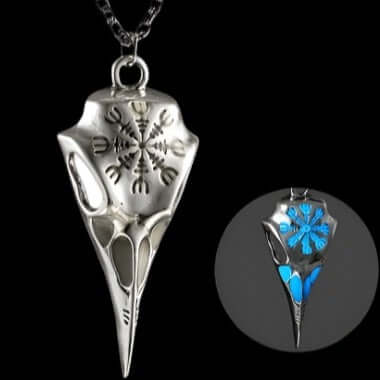
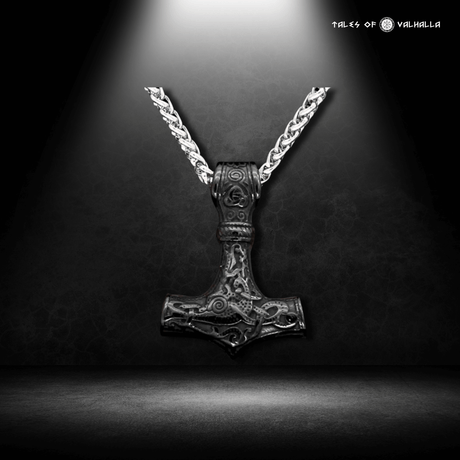
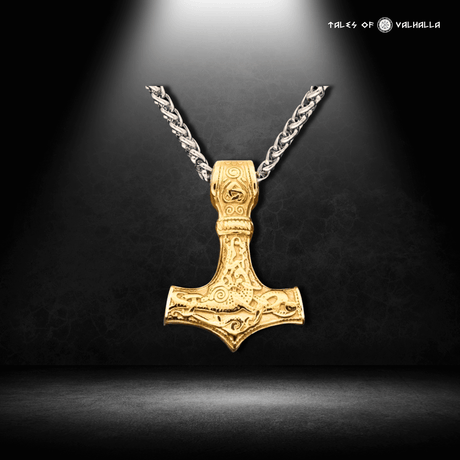
Picture standing in a quiet museum gallery in Seattle, staring at a thousand-year-old Viking burial pendant carved with intricate wings and weapons. It is easy to look at an ancient artifact and wonder where those fierce ancient warriors believed they were heading once their earthly battles finally came to an end.
Popular culture often paints a very simple picture. We hear about a grand golden hall where heroes drink mead and fight each other every single day.
However, the reality found within original Asgard mythology is far more complex, diverse, and fascinating than most people realize.
When people in the United States think of the Norse afterlife, they usually picture Valhalla as the universal destination for every Viking. Yet, the ancient sagas reveal a much richer spiritual map. Today, we will take a deep dive into the divine halls of the cosmos, examining where the fallen truly went, weighing alternative historical perspectives, and uncovering why these afterlife beliefs still captivates modern imaginations.
Setting the Stage: Beyond the Battlefield
To truly understand the afterlife in Asgard mythology, we must first clear away modern misconceptions. The ancient Norsemen did not believe in a single Heaven or Hell where everyone ended up based on a moral report card.

Instead, where a person went after death depended heavily on their profession, how they died, and which deity favored them. The battlefield was certainly sacred to Odin, but it held no monopoly on the human soul.
Dr. Marcus Lindqvist, a prominent historian of medieval Scandinavian religions, frequently writes about this pluralistic worldview. He notes that ancient Norse cosmology offered multiple distinct realms for the dead, reflecting a society deeply connected to the land, sea, and community craft.
Valhalla: Odin’s Hall of the Slain
Let us start with the most famous destination in Asgard mythology: Valhalla, the majestic hall of Odin.
Located inside the gleaming city of Asgard, Valhalla possessed a roof made of golden shields and rafters built from polished spears. According to the myths, the Valkyries—fierce female chooser of the slain—rode down to earthly battlefields to select half of all fallen warriors and bring them back to Odin's domain.
Life inside Valhalla was intense and glorious. Every single day, the warriors known as the Einherjar marched out to the courtyard to fight and slaughter one another in brutal combat. By evening, all wounds miraculously healed. They returned inside the massive hall to feast endlessly on the boar Saehrimnir and drink rivers of mead pouring from the udder of the goat Heidrun.
You can compare this intense training loop to modern professional athletes or elite military units who drill relentlessly every day to stay at peak performance for an upcoming championship. They were preparing for Ragnarok, the ultimate twilight battle against the forces of chaos.
Sessrumnir and Folkvangr: Freya’s Domain
A massive historical myth claims that every Viking warrior who died with a sword in hand went directly to Odin. However, Asgard mythology tells a completely different story.
According to ancient poetic sources, the goddess Freya claimed the first half of all fallen warriors. She brought them to her breathtaking meadowland known as Folkvangr, into her massive hall called Sessrumnir.
This detail completely shatters the stereotype that Odin commanded the entire afterlife monopoly. It highlights the gender balance and high status of deities like Freya, who governed fertility, magic, and transition.
Let us review the estimated distribution of afterlife destinations described in surviving medieval literary sources to understand how the ancient traditions categorized the dead.
| Afterlife Realm | Ruling Deity | Primary Destination Criteria | Estimated Literary Representation |
| Valhalla | Odin | Warriors fallen bravely in battle | 40 percent |
| Folkvangr (Sessrumnir) | Freya | The other half of chosen fallen warriors | 30 percent |
| Helheim | Hel | Those who died of old age, illness, or unheroic deaths | 20 percent |
| Ran’s Halls | Ran | Sailors and those lost at sea | 10 percent |
This data illustrates a vital truth. While Valhalla gets the most attention in modern films, ancient Asgard mythology recognized that dying of sickness or old age in a warm bed was just as common as falling on a battlefield.
Counterarguments: Did Christian Scribes Alter Norse Afterlife Tales?
To maintain a balanced and rigorous analysis, we must address the intense academic debate surrounding these afterlife accounts.

A prominent school of thought argues that much of what we know about Valhalla and Asgard mythology was heavily influenced or romanticized by Christian scribes who wrote down the old oral stories centuries after Scandinavia converted. Critics suggest these later writers turned pagan war-cults into epic, heroic fantasy literature.
Weighing the Perspectives
Let us consider a hypothetical scenario. What if the medieval writers exaggerated the blood and glory of Valhalla to make it sound like a barbaric martial culture?
Historians suggest that while Christian writers framed the old myths through a literary lens, the core concepts of warrior halls and divine choosers of the slain appear consistently in early skaldic poetry composed long before widespread Christianization.
This historical nuance reminds us to view the myths not as rigid historical textbooks, but as living, breathing pieces of epic poetry that evolved over generations.
Real-Life Examples: The Afterlife Legacy in Modern America
You might wonder why ancient afterlife beliefs matter to an audience living in the United States today. The reality is that these concepts heavily influence modern American storytelling and personal identity.
Modern Media and Pop Culture
Millions of Americans encounter these ideas through modern video games, fantasy novels, and streaming series. These platforms celebrate the camaraderie of Valhalla, transforming ancient Norse concepts into global touchstones for loyalty, bravery, and brotherhood.
Personal Remembrance and Memorials
Furthermore, individuals with Scandinavian ancestry or modern outdoor enthusiasts often draw deep comfort from these myths. When honoring a loved one who lived a fierce, adventurous life, invoking the spirit of ancient northern halls provides a powerful metaphor for legacy and endurance.
- May you like: Thunder God Carbon Steel Hammer
The Future of Mythological Research
As we look toward the future, our understanding of these funerary beliefs continues to expand through archaeological discoveries.
Excavations of ship burials, weapon graves, and pagan cemeteries across Scandinavia reveal rich physical clues about how ancient people mourned and prepared their dead for the journey ahead, cross-referencing material culture with textual myths.
Future generations of scholars will undoubtedly continue to decode these ancient practices, ensuring our knowledge remains dynamic and deeply rooted in historical evidence.
The Timeless Legacy of the Northern Afterlife
The afterlife concepts found within Asgard mythology offer a profound window into how ancient people processed mortality. They did not view death as an absolute, terrifying void, but as a continuation of community, glory, and purpose.
Whether studied through scholarly texts or appreciated through modern entertainment, these celestial halls remind us that human courage leaves an indelible mark. The fires of the ancient feasting tables may have cooled, but the inspiring stories of loyalty and honor live on, echoing proudly alongside the great tales of valhalla.