Imagine standing inside a dimly lit museum gallery in Boston. A glass display case sits directly in front of you, holding a small silver brooch forged over a thousand years ago. As you lean in to examine the fine details, you notice something striking. The winding animal figures are surrounded by intricate, flowing leaf patterns and precise geometric frames.
At first glance, you might assume this design is purely native to Scandinavia. However, a deeper look reveals a fascinating story of international travel, trade, and cultural exchange.
This is the hidden world of Norse Art. While fierce animals and twisting beasts usually steal the spotlight, the background tells a completely different story. It reveals how ancient craftsmen absorbed foreign ideas from across Europe and wove them into their own local creations.
Today, we will take a comprehensive journey into these foreign whispers. We will explore how geometric layouts and botanical motifs transformed Norse Art into a rich, multicultural tapestry.
aSetting the Stage: The Myth of Complete Isolation
A very common misconception exists in modern popular culture. Many people in the United States believe that the ancient Norsemen lived in total isolation. They imagine a closed society of warriors who only raided foreign lands and brought home stolen gold.

Archaeological research completely shatters this narrow viewpoint. The Vikings were master traders, diplomats, and explorers. They sailed across turbulent seas, navigated massive rivers in Russia, and established deep commercial roots in Constantinople, Dublin, and the Carolingian Empire.
When these travelers returned home, they carried more than just physical wealth. They brought back new ideas, foreign textiles, illuminated manuscripts, and exotic objects.
Dr. Helena Vance, a prominent historian of medieval European material culture, frequently discusses this dynamic. She notes that ancient Norse Art was never a stagnant, closed system. Instead, it was an open sponge. It eagerly absorbed the visual languages of neighboring cultures and completely reinvented them.
The Role of Geometric Interlacing in Early Norse Art
To understand the evolution of Norse Art, we must first look at the foundation of its composition. Geometric patterns, spirals, and intricate knotwork rarely take center stage in the earliest Viking artifacts.
Instead, these geometric elements served an accessory function. They acted as framing devices or filling elements within a broader design. They locked the chaotic animal figures into place.
Borrowing from Celtic and Anglo-Saxon Neighbors
As the Norsemen raided and settled in the British Isles during the late eighth and ninth centuries, they encountered advanced Christian art forms. They saw incredible stone crosses and illuminated manuscripts covered in complex, mathematical knotwork.

Celtic and Anglo-Saxon
Local craftsmen admired the precision of these foreign designs. Slowly, geometric grids began to creep into Norse Art. The artists learned how to use symmetry and repetitive loops to bring order to their wild animal motifs.
You can compare this process to a modern American artist studying graphic design principles overseas. They take foreign concepts of grid alignment and apply them to their own native style.
The Botanical Shift: How Plants Entered the Norse Visual World
Perhaps the most dramatic change in Norse Art was the introduction of botanical motifs. Early Scandinavian design was dominated entirely by zoomorphic creatures. Trees, leaves, and flowers were virtually nonexistent.
That all began to change as trade routes expanded southward. The craftsmen encountered the lush, organic ornamentations of the Carolingian and Ottonian Empires.
The Carolingian Acanthus and Anglo-Saxon Vines
Continental European art was heavily inspired by classical Roman designs. It featured coiled leaves, palmettes, and curling acanthus vines. When Viking traders visited continental markets, they saw these botanical patterns carved into church doors and cast into bronze fittings.
Over several decades, these plant motifs trickled northward. Craftsmen in Scandinavia began incorporating tendril-shaped stems and intertwining ribbons into their own carvings.
Let us review the estimated distribution of these foreign influences across major archaeological periods of Norse Art to understand the timeline of this shift.
| Historical Period | Approximate Era | Dominant Foreign Influence | Estimated Percentage of Botanical Integration |
| Oseberg Phase | 750 to 825 AD | Minimal foreign contact | 5 percent |
| Borre Phase | 850 to 950 AD | Early geometric framing from British Isles | 15 percent |
| Mammen Phase | 960 to 1020 AD | Carolingian acanthus and leaf motifs | 35 percent |
| Ringerike Phase | 1000 to 1075 AD | Full botanical integration and spiral tendrils | 60 percent |
| Urnes Phase | 1050 to 1125 AD | Refined plant loops and Christian stylized vines | 80 percent |
This data highlights a clear trajectory. By the time the Ringerike and Urnes styles emerged, botanical motifs were no longer just background filler. They became central subjects in their own right.
Counterarguments: Did Foreign Influences Dilute Original Norse Culture?
To maintain a balanced perspective, we must address alternative viewpoints. Some cultural purists fiercely argue that borrowing foreign styles diluted the authenticity of native Norse Art. They claim that true Scandinavian culture ended the moment foreign leaf patterns appeared on their metalwork.
However, modern research challenges this nostalgic view. Culture is never static. It is a living, breathing thing that evolves through contact with the outside world.
Let us consider a hypothetical scenario. What if the Norse people had actively rejected all foreign ideas? What if they maintained a strict cultural quarantine?
If that had happened, Norse Art would have likely stagnated into a repetitive, uninspired dead end. The infusion of foreign geometry and botanical curves gave the local craftsmen a massive burst of creative energy. They did not copy foreign designs blindly. They adapted them to fit their own unique worldview.
A foreign acanthus leaf was never just drawn as a simple Roman copy. The local artisan twisted the leaf into a curling, monstrous tendril that matched the fierce energy of their native mythology. They turned foreign whispers into a loud, original Norse roar.
Real-Life Examples: Seeing Foreign Influences Today
You might wonder why these historical stylistic shifts matter to an audience living in the United States today. The reality is that this cultural blending heavily influences modern design.
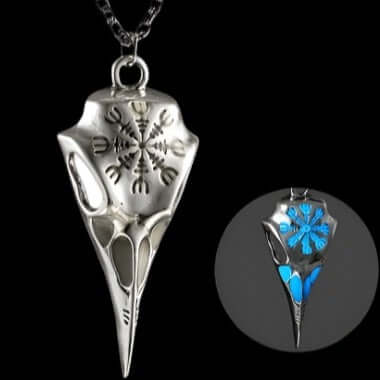
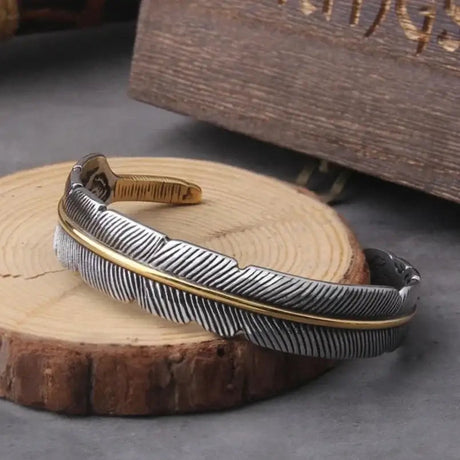
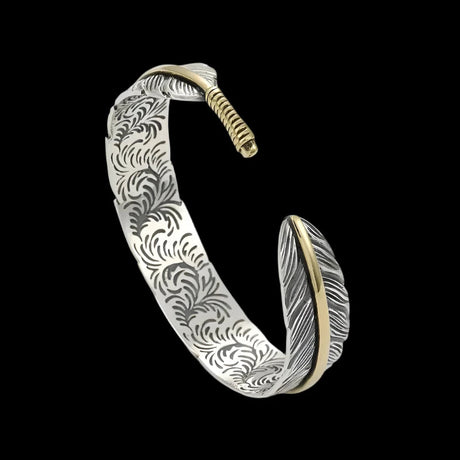
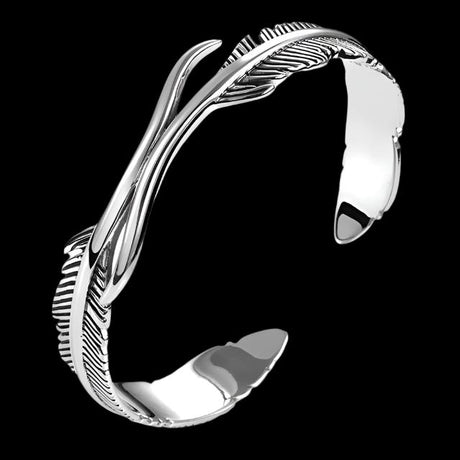
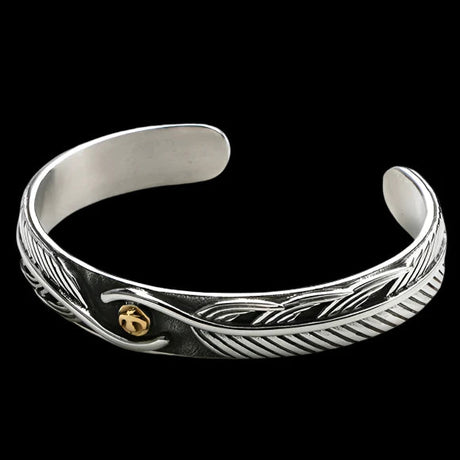
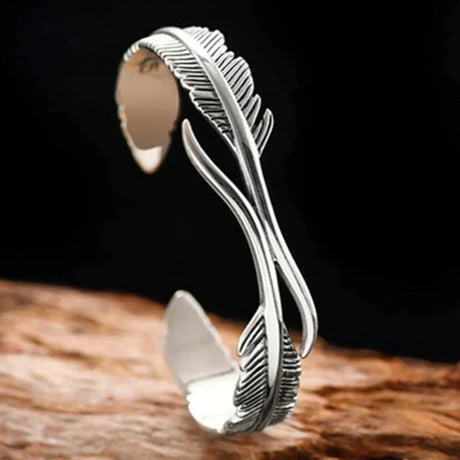
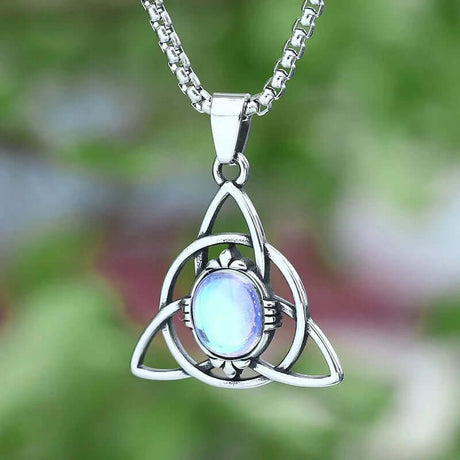
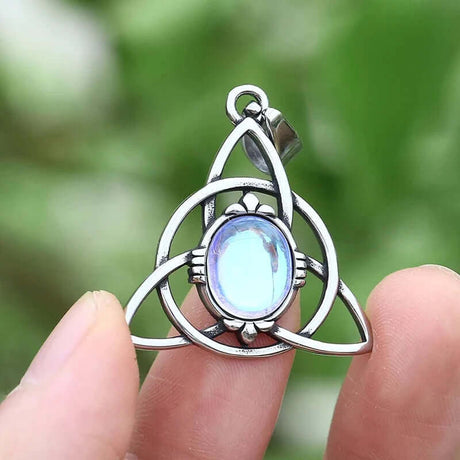
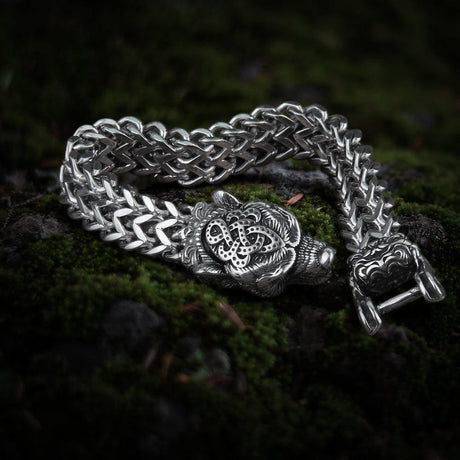
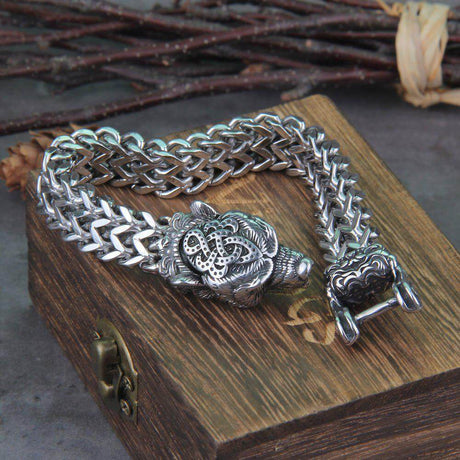
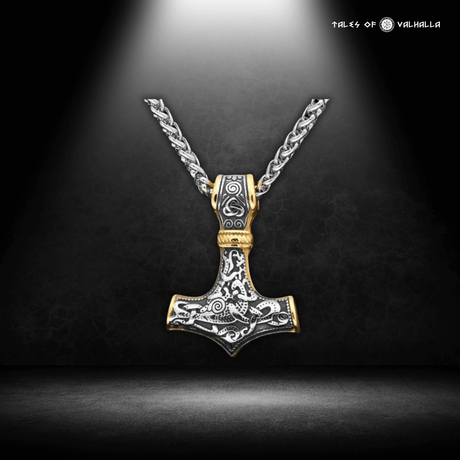
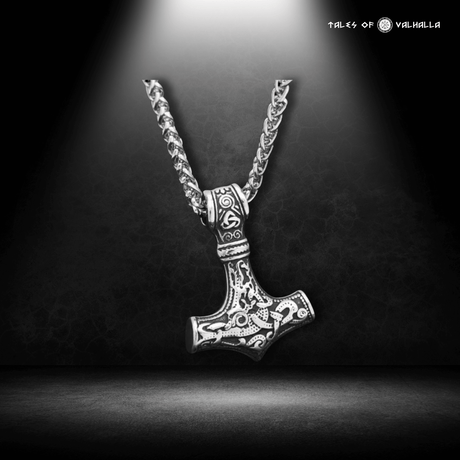
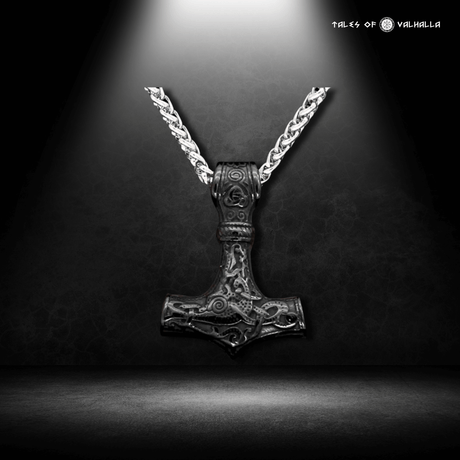
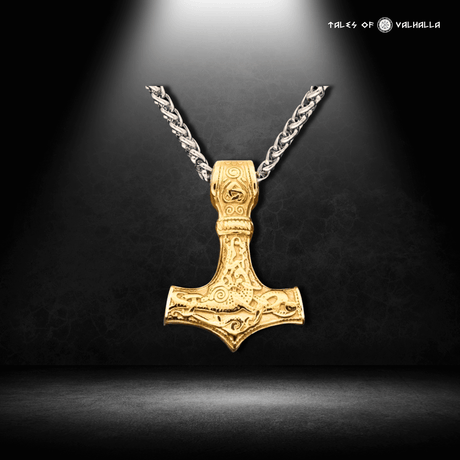
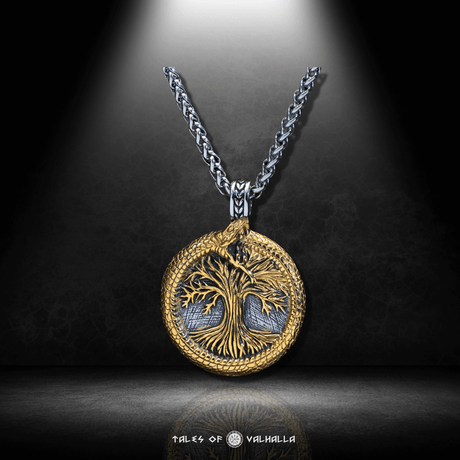
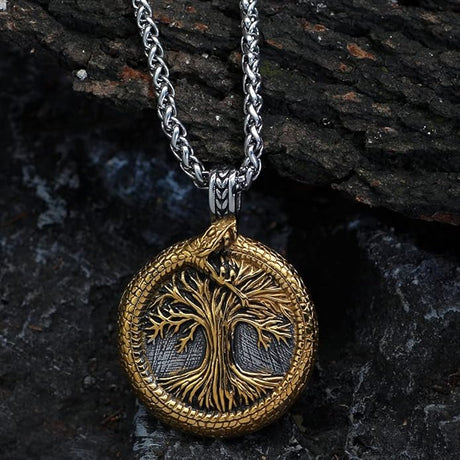
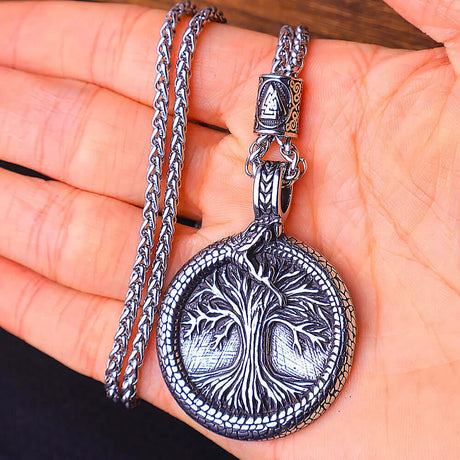
Millions of Americans with Scandinavian heritage love wearing modern jewelry that mirrors ancient Norse patterns. When you examine a contemporary silver pendant featuring intertwining vines and wolves, you are looking at the direct descendant of this cross-cultural evolution.
Furthermore, modern American tattoo artists frequently blend Celtic knotwork with traditional Norse animal motifs. This modern artistic fusion is essentially a continuation of the same creative blending that happened in the Viking Age over a thousand years ago.
The Future of Archaeological Analysis
As we look toward the future, our understanding of these foreign influences is expanding rapidly. Modern archaeologists use advanced chemical testing and high-resolution microscopy to analyze metal alloys and pigment residues on ancient artifacts.
These scientific methods allow researchers to trace the exact geographic origin of the silver used in a coin or the timber used in a carving. Future discoveries will undoubtedly reveal even deeper trade networks and more surprising artistic connections across medieval Europe.
The Enduring Legacy of Cultural Exchange
Norse Art proves that no civilization exists in a vacuum. The beauty of ancient Scandinavian craftsmanship lies in its ability to look outward, absorb the world, and transform foreign elements into something entirely unique.
By studying how geometric frames and botanical vines melted into the traditional animal styles, we gain a much richer appreciation for the ancient craftsmen. They were worldly innovators who navigated a vast, interconnected medieval landscape.
The physical objects they left behind continue to captivate our imagination today, bridging the gap between distant cultures and echoing proudly alongside the great tales of valhalla.