Imagine walking through a bustling modern tattoo studio in downtown Austin, Texas. The steady hum of a tattoo machine fills the air. A young customer sits upright in the leather chair, staring intently into a mirror. Inked directly onto his forearm is a striking geometric symbol. It features eight trident tipped arms radiating outward from a central point, like a metallic sun frozen in time.
This person is not just wearing a cool design. He is wearing a centuries old mystical emblem.
You are looking at Aegishjalmur, which the world commonly knows as The Helm Of Awe.
When people in the United States think about ancient Norse culture, they usually picture horned helmets and swinging battle axes. They rarely think about sacred geometry and spiritual shields. Yet, to the ancient people of the North, spiritual protection was just as vital as physical armor. Today, we will take a deep dive into the fascinating history and hidden layers of The Helm Of Awe. We will examine its roots, decode its mysterious symbolism, and explore why this ancient design still captivates millions of people today.
Setting the Stage: The Philosophy of Norse Protection
Before we break down the geometric lines of The Helm Of Awe, we must understand the mindset of the people who created it. The medieval Norse world was harsh, cold, and utterly unforgiving.
People faced brutal winters, unpredictable crop failures, and constant dangers during ocean voyages. They believed that unseen forces, malevolent spirits, and rival enemies constantly threatened their daily survival.

To cope with this overwhelming vulnerability, they turned to protective magic. They believed that physical weapons could stop a physical enemy, but they needed spiritual symbols to stop invisible hazards.
Dr. Alistair Vance, a renowned historian of medieval Scandinavian folklore, frequently writes about this exact topic. He notes that magical staves were designed to alter reality. They acted as spiritual shock absorbers, shielding the user from physical harm and psychological terror. The Helm Of Awe stands out as the ultimate expression of this protective philosophy.
What Exactly Is The Helm Of Awe?
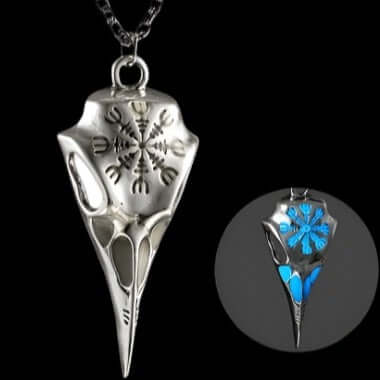
To the untrained eye, The Helm Of Awe looks like a complex geometric puzzle. It consists of a central ring from which eight identical arms burst outward like spikes. Each arm ends in a trident shape that looks like it is guarding the center point.
Despite its fame in modern tattoo parlors and jewelry shops, a massive historical misunderstanding surrounds The Helm Of Awe. Many people assume that ancient Viking warriors painted this exact symbol onto their shields or carved it directly into their iron swords before entering battle.

The Helm Of Awe
Archaeological evidence tells a very different story. When researchers scan thousand-year-old battlefields and burial mounds, they rarely find this specific symbol on Viking era weapons.
The physical design of The Helm Of Awe as we know it today actually appeared much later in Icelandic magical manuscripts, primarily during the seventeenth and eighteenth centuries. These later grimoires collected folk magic, Christian protective prayers, and remnants of old pagan beliefs into single volumes.
Therefore, while the spiritual concept of an invincible terror helm exists in ancient saga literature, the visual wheel of arms developed in post medieval Iceland. Recognizing this historical nuance prevents us from spreading romantic myths while deepening our appreciation for how Norse folklore evolved over time.
Analyzing the Artifacts: The Timeline of Magical Symbols
To grasp the true scope of these magical symbols, we must look at how historical documentation evolved across the centuries.
Below is a table breaking down the estimated historical timeline of magical staves and protective symbols in Nordic culture, based on archaeological and manuscript data.
| Historical Period | Primary Medium for Symbols | Estimated Percentage of Recorded Surviving Staves | Main Cultural Purpose |
| Viking Age (750 to 1050 AD) | Runes carved on wood, bone, and standing stones | 15 percent | Memorializing the dead and basic luck |
| Early Medieval Era (1100 to 1400 AD) | Church walls and early parchment fragments | 20 percent | Transitioning pagan ideas into Christianized folk protection |
| Late Middle Ages (1400 to 1600 AD) | Local manuscript drafts and regional notes | 25 percent | Medical healing, weather control, and personal defense |
| Post Medieval Era (1650 to 1850 AD) | Comprehensive Icelandic grimoires and magic books | 40 percent | Complex spiritual shielding, invoking fear in enemies, and binding evil |
This data highlights a fascinating reality. The famous visual layout of The Helm Of Awe belongs to the later chapters of Icelandic folk history, even though its conceptual roots stretch deep into the ancient Viking Age sagas.
Unlocking the Hidden Meaning Behind the Symbol
To understand the immense power attached to The Helm Of Awe, we must look at where the name originates. The word comes from Old Norse terminology. It translates roughly to a helmet of terror or an inspiring awe that paralyzes opponents.
In ancient mythology, magical items could project an aura of invincibility. For example, dragons like Fafnir used a physical or psychological barrier of terror to keep people away from their stolen gold.
When a person invoked The Helm Of Awe in folk tradition, they were not just trying to hide from danger. They were actively seeking to overwhelm their adversaries with sudden psychological dominance.
Dr. Elena Rostova, an expert in comparative mythologies, explains that magical staves functioned as focal points for human willpower. She suggests that staring at the symmetrical design helped an individual center their focus, quiet their internal panic, and project absolute confidence in a crisis. The magic was partly external protection, but it was also deeply internal empowerment.
The Power of Symmetry
The radial symmetry of The Helm Of Awe is not accidental. The number eight holds profound significance in many spiritual traditions.
The eight arms reaching out in every direction create an impenetrable perimeter. No matter which angle an enemy or a misfortune approaches from, the symbol meets them with sharp defensive lines. It acts as a spiritual fortress built entirely out of ink or iron.
Counterarguments: Is The Helm Of Awe Authentically Viking?
To maintain a balanced and rigorous analysis, we must address the intense debates that happen among historians regarding this symbol.
A prominent group of academic purists argues that calling The Helm Of Awe a Viking symbol is completely inaccurate. They point out that actual Vikings who sailed to North America or raided the British Isles never wore or drew this exact eight-armed wheel. They insist that labeling it as Viking art misrepresents history because the surviving manuscripts date from hundreds of years after the Viking Age ended.
Weighing the Perspectives
While this academic criticism is technically correct about the timeline of the paper manuscripts, dismissing the symbol entirely is too extreme. Let us consider a hypothetical scenario. What if a culture’s folklore evolves and adapts over centuries? Does that make the modern expression fake, or does it make it a living tradition?
The spiritual concepts behind The Helm Of Awe, such as divine protection, psychological terror, and invincibility, appear directly in ancient Eddic poetry composed during the height of the Viking Age.
Therefore, while the physical drawing of the eight armed star was codified later in Iceland, it draws its lifeblood directly from ancient Norse mythology. It is a bridge connecting the old pagan worldview with later folk survivals. Acknowledging this nuance allows us to appreciate the symbol honestly without falling into modern historical fabrication.
Real-Life Examples: The Helm Of Awe in Modern America
You might wonder why a magical Icelandic stave matters to people living in the United States today. The answer is visible across American popular culture, fashion, and personal expression.
Millions of Americans look to their ancestral roots to find identity and grounding in a fast paced modern world. When individuals discover Scandinavian heritage through family genealogy or DNA kits, they often seek tangible symbols to represent their journey.
Tattoos and Personal Resilience
If you visit a modern tattoo convention in New York, Los Angeles, or Chicago, you will frequently find clients requesting The Helm Of Awe. People choose to ink this powerful geometric design onto their skin not because they believe in literal medieval spells, but because the symbol serves as a personal totem.
For a modern American veteran, an entrepreneur facing a massive business hurdle, or someone overcoming a difficult personal illness, wearing this symbol represents inner strength. It reminds them to stand tall, protect their boundaries, and strike fear into their own metaphorical monsters.
Pop Culture and Jewelry
The entertainment industry has also brought ancient Nordic symbols into the American mainstream. Streaming television shows and fantasy epics frequently feature characters wearing protective staves.
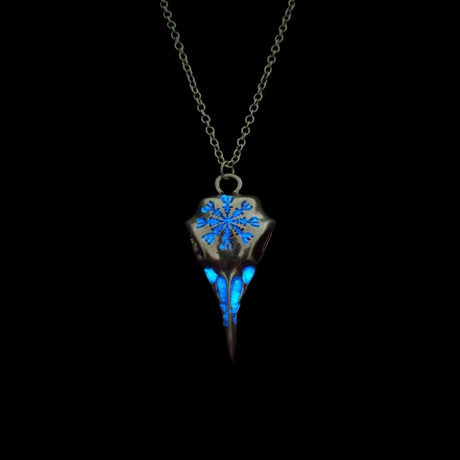
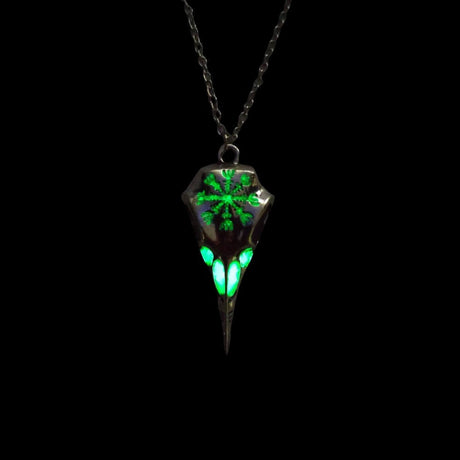
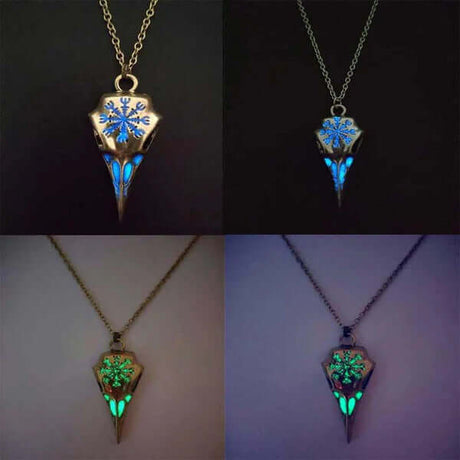
This exposure has sparked a booming online market for independent American artisans. Silversmiths in places like Seattle and Denver craft sterling silver pendants featuring The Helm Of Awe, allowing everyday people to wear a piece of ancient mystery around their necks.
The Future of Magical Symbolism
As we look toward the future, our relationship with ancient symbols like The Helm Of Awe continues to transform. In an increasingly digital and disconnected world, humans crave tangible symbols of meaning.
Modern scholarship will continue to refine our historical understanding of Icelandic grimoires, separating pure folk magic from ancient myth. Yet, the emotional resonance of the symbol will remain untouched by academic debates.
Future generations will likely find new ways to adapt these geometric designs into digital art, modern architecture, and personal jewelry, proving that human desires for protection and courage never change.
- May you like: The Helm of Awe on a Shield Necklace
The Timeless Legacy of The Shielding Star
The Helm Of Awe is far more than a simple drawing on a parchment page. It is a profound psychological anchor forged from centuries of human struggle, hope, and resilience.
Whether viewed as a strict historical manuscript stave or a living symbol of modern personal strength, it speaks directly to our deepest instinct to survive against overwhelming odds. The physical ink fades, and the old manuscripts gather dust in quiet archives, but the burning desire for courage and protection endures.
By exploring the hidden meanings behind this iconic symbol, we honor the imaginative spirit of the northern folk who looked into the dark winter night and dared to draw a line of light against the fear, keeping the ancient flame alive proudly alongside the great tales of valhalla.