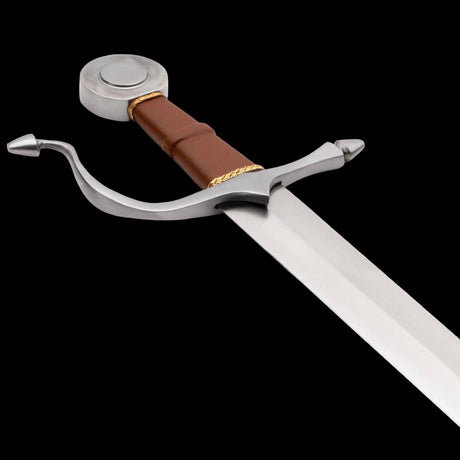
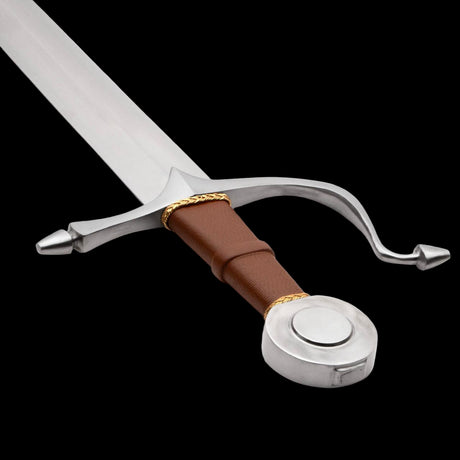
Imagine stepping into a dimly lit workshop in Oslo. The scent of pine wood and charcoal fills the heavy air. A small fire crackles in the stone hearth, casting a warm orange glow across the room. An ancient craftsman sits on a low wooden stool, holding a pair of heavy iron tongs. He slowly pulls a glowing red ribbon of metal from the flames. With careful and practiced strikes of his hammer, he shapes the raw material into a masterpiece.
This scene is not just a fantasy. It is the daily reality of the ancient Viking Artisan.
When people in the United States think of the Viking Age, they usually imagine violent battles and stormy ocean voyages. They picture fierce warriors swinging broadswords. However, the true heartbeat of this civilization lived in its workshops. Every sword, every brooch, and every longship required the steady hand of a dedicated Viking Artisan.
Today, we will take a deep dive into the materials that shaped their world. We will explore how these master creators turned humble natural elements into breathtaking works of art.
Setting the Stage: The Philosophy of the Viking Artisan
Before we examine the physical materials, we must understand the mindset of the creator. A skilled Viking Artisan did not view raw materials as lifeless objects. They saw them as living canvases waiting to be unlocked.

Viking Artisan
To the ancient Norsemen, art and utility were completely inseparable. A tool had to be functional, but it also had to be beautiful. If a man carried a sword into battle, the hilt had to display intricate carvings. If a woman wore a cloak, the fastening pin had to feature stunning metalwork.
Dr. Soren Lindqvist, a renowned historian of medieval Scandinavia, frequently discusses this worldview. He notes that the Viking Artisan viewed the natural world as a direct gift from the gods. Every piece of timber or chunk of silver carried a sacred duty. The job of the craftsman was to release the hidden beauty trapped inside the earth.
The Ultimate Canvas: Wood and Its Endless Possibilities
Wood was the undisputed king of materials in the ancient North. Dense forests of pine, oak, and ash covered Scandinavia. For the average Viking Artisan, wood was the primary medium for both survival and artistic expression.
Building Ships and Mead Halls
The most famous use of wood was in shipbuilding. A master shipwright was the highest ranking Viking Artisan of his time. He selected towering oak trees that grew with natural curves. These curved trunks formed the strong ribs of the legendary longships.
Inside the villages, carpenters used timber to build massive mead halls. They carved terrifying dragon heads into the wooden roof beams. They etched elaborate knotwork into furniture and storage chests.
Unfortunately, wood is an organic material that decays over time. Thousands of wooden masterpieces have vanished into damp soil. Yet, rare archaeological finds like the Oseberg ship prove the immense skill of the early Viking Artisan. They turned plain timber into floating galleries of art.
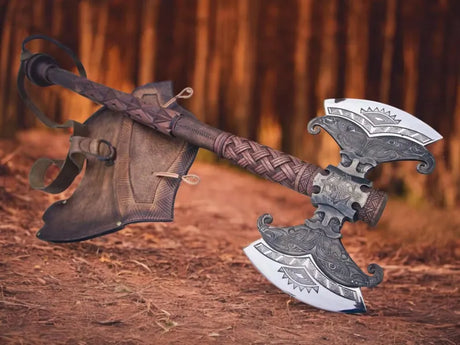
- May you like: Black Runes Axe
The Fire and the Forge: Metalsmithing Mastery
While wood was common, metal was magic. Working with metal required extreme heat, specialized tools, and years of intense apprenticeship. The blacksmith and the silversmith held positions of immense respect in Norse society.
Iron for Survival, Silver for Status
Iron was the practical metal. A Viking Artisan forged iron into axes, spearheads, and agricultural tools. The quality of the iron determined whether a family survived the harsh winter or failed.
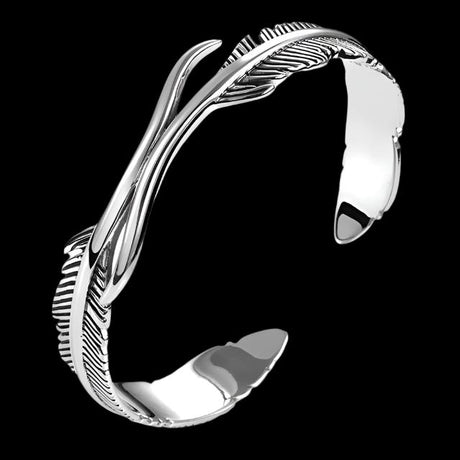
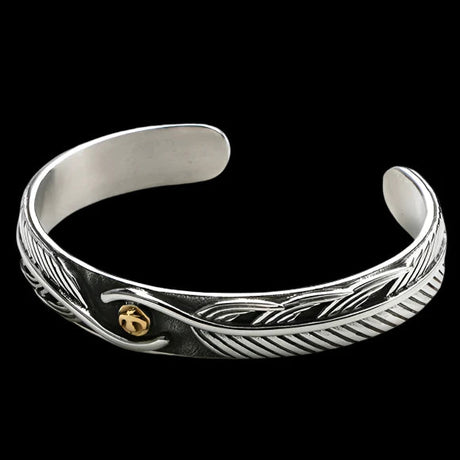
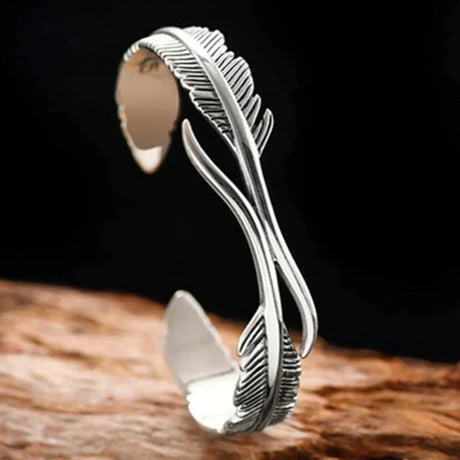
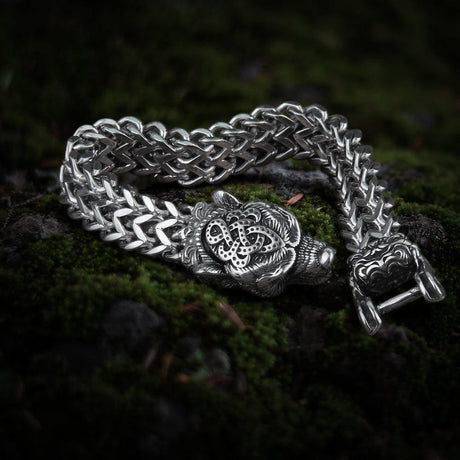
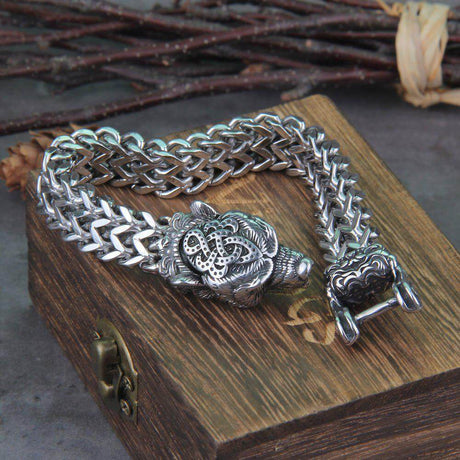
Silver and bronze, however, were reserved for the elite. The silversmith melted down foreign coins acquired through trade and raids. He poured the liquid metal into clay molds to create heavy arm rings and intricate brooches.
To understand the scope of these materials in ancient trade and craft, let us review the estimated distribution of recovered artifact materials across major archaeological sites.
| Material Type | Estimated Percentage of Recovered Artifacts | Primary Uses in Norse Society |
| Wood and Organic Matter | 45 percent | Ships, furniture, bowls, and structural beams |
| Iron and Steel | 25 percent | Weapons, tools, nails, and household hardware |
| Bronze and Brass | 15 percent | Jewelry, dress pins, and harness fittings |
| Silver and Gold | 10 percent | Elite currency, high status jewelry, and amulets |
| Bone and Antler | 5 percent | Gaming pieces, needles, and small decorative items |
This data highlights a fascinating truth. While silver gets the most attention in museum displays, the everyday Viking Artisan spent most of their time working with wood and iron.
Bone, Antler, and Ivory: The Hidden Mediums
Not every Viking Artisan had access to chests of foreign silver. Many craftsmen had to rely on smaller, local materials. Bone and red deer antler were exceptionally popular choices for everyday items.
Hunters brought back massive antlers from the deep forests. The craftsman would saw these antlers into manageable pieces. He would then carve fine teeth into combs, shape smooth sewing needles, and craft ornate gaming pieces.

Viking Artisan
In the far northern settlements, walrus ivory became the ultimate luxury material. Elite carvers etched microscopic details into hard ivory tusks. These small sculptures traveled thousands of miles along ancient trade routes, reaching markets far beyond Scandinavia.
Counterarguments: Did the Viking Artisan Work Alone?
To achieve a comprehensive understanding of this topic, we must examine alternative perspectives. A common romantic myth suggests that the lone Viking Artisan sat in a remote cabin, creating pure art without outside influence.
Modern archaeological research strongly challenges this view. The Viking Artisan was deeply connected to a massive international trade network. They imported raw silk from Byzantium, glass beads from the Middle East, and fine amber from the Baltic Sea.
Some critics argue that the Norsemen merely copied styles from the British Isles and the Frankish Empire. They claim the local craftsman lacked true originality.
Weighing the Perspectives
While outside influences certainly shaped their work, calling them mere copycats is a severe mistake. Let us consider a hypothetical scenario. What if the Norse had never sailed across the seas? Their art would have remained strictly regional and static.
Instead, the brilliant Viking Artisan absorbed foreign techniques and twisted them into something entirely new. They took imported silver coins and melted them down to forge their own unique jewelry styles. They blended foreign motifs with native mythology. They were master adapters who turned international trade into local artistic gold.
Real Life Examples: The Craft Today in the United States
You might wonder why the work of an ancient Viking Artisan matters to people in the United States today. The answer is visible in the booming community of modern American makers.
Across the United States, independent blacksmiths and woodworkers are reviving these ancient techniques. Walk into a modern workshop in Oregon or Maine, and you will find artisans using coal forges and hand hammers to recreate Norse axes.
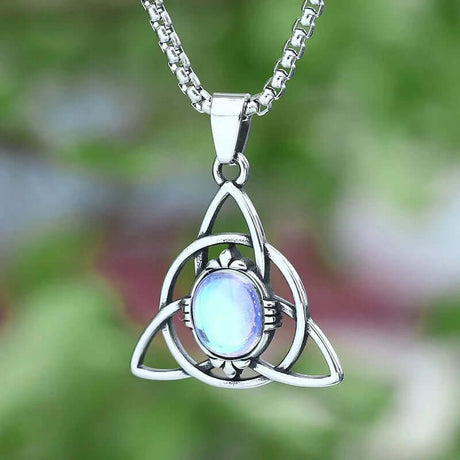
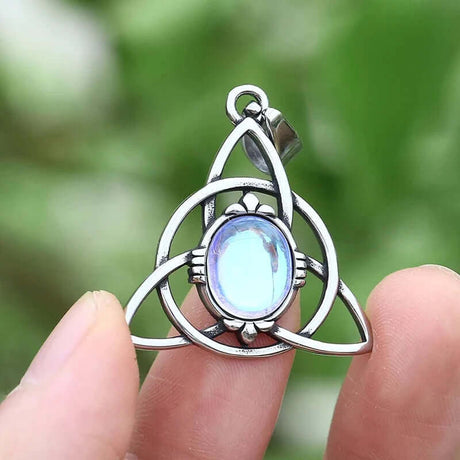
Millions of Americans with Scandinavian ancestry feel a deep, personal connection to these physical objects. Holding a hand forged iron pendant or a carved wooden rune set bridges a gap of over a thousand years. It brings the tactile reality of the ancient North directly into the modern American home.
The Future of Experimental Archaeology
As we look toward the future, our understanding of the Viking Artisan is evolving rapidly thanks to modern science. Archaeologists no longer just look at artifacts behind glass cases. They practice experimental archaeology.
Researchers now build replica furnaces using exact ninth century methods. They smelt local bog iron and carve wood using replica steel tools. These experiments provide hard data on how long a project took and what physical toll it took on the maker's body.
Future technological advancements will likely allow us to trace the exact origin of the metal ores used in specific sword blades. We are slowly mapping the supply chains that fed the ancient workshops.
The Timeless Legacy of the Maker's Hand
The materials used by the Viking Artisan were humble, raw, and unforgiving. Wood rotted, iron rusted, and silver tarnished. Yet, the creative spirit etched into those materials has survived the test of time.
Through their mastery of wood, metal, and bone, these craftsmen proved that art was central to their daily survival. They did not just build tools for the physical world. They built monuments to their own endurance.
As we study their techniques, we honor the quiet dedication of the workshop. The fires of the ancient smiths have long since turned to ash, but the brilliant echoes of their labor still resonate proudly alongside the great tales of valhalla.