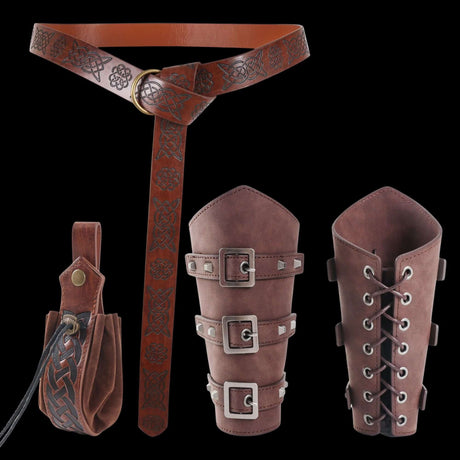
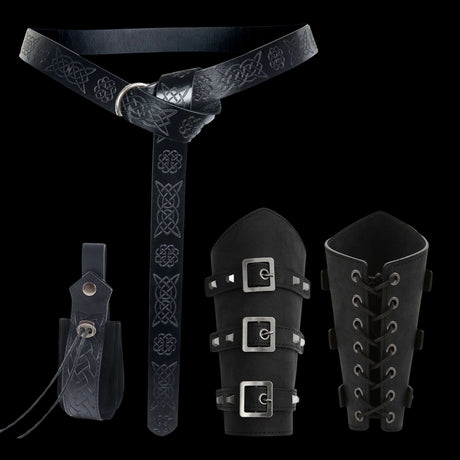
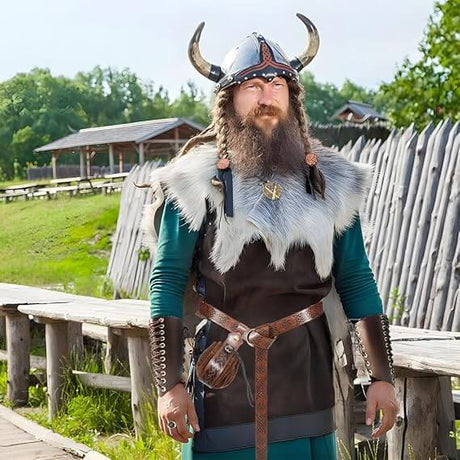
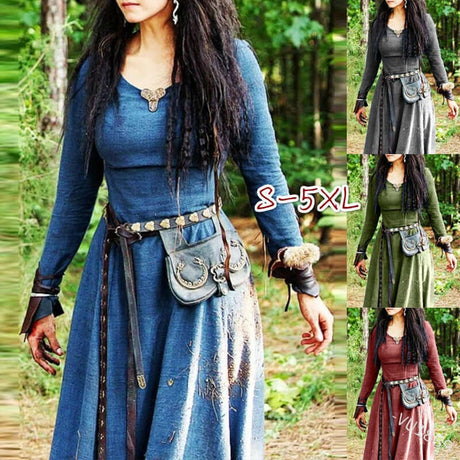
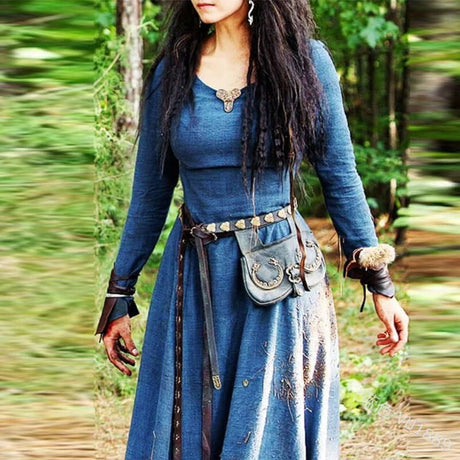
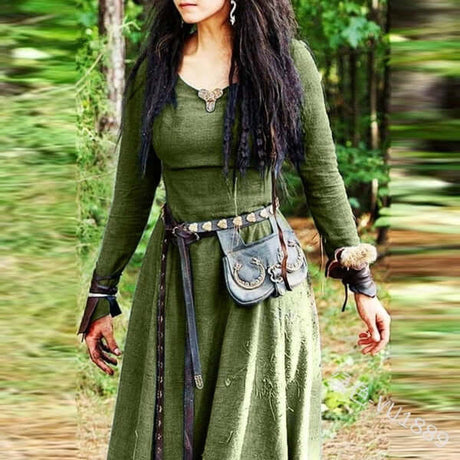
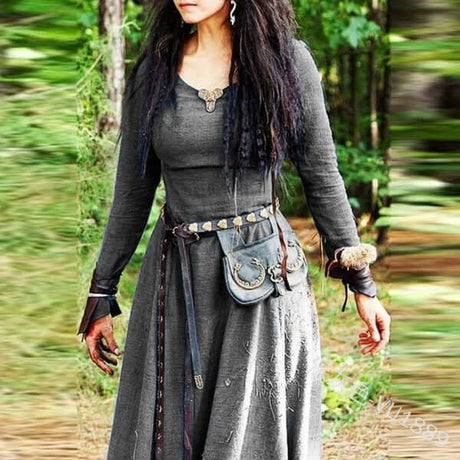
When we close our eyes and imagine a Viking, the mental image is often painted by decades of Hollywood influence. We see dark, rugged leathers, tattered furs, and a distinct lack of color—usually accompanied by a layer of battlefield grime. But if you were to step off a longship in the 10th century, you would be greeted by a far more vibrant reality. The true story of Viking Clothes is one of incredible craftsmanship, surprising color, and a deep-seated pride in personal appearance.
For those of us in the United States, the fascination with Norse culture often revolves around their warrior spirit. However, the way they dressed tells a story of a sophisticated society that valued comfort, status, and aesthetic beauty. In this deep dive, we are going to strip away the cinematic myths and look at the actual threads that wove the Viking Age together.
The Foundation of the Norse Wardrobe: Materials and Production
To understand Viking Clothes, we first have to look at the land. In a world without synthetic fibers, every garment began with the harvest. The Vikings relied primarily on two natural sources: sheep and flax. Wool was the undisputed king of the North. It was breathable, durable, and most importantly, it retained heat even when damp—a life-saving quality on the North Sea.
Linen, derived from the flax plant, was the second most vital material. It was used for undergarments because it was much softer against the skin than coarse wool. However, flax is much harder to process and does not take dyes as easily as wool, making linen pieces a mark of some luxury.
Production was almost entirely a domestic task. In nearly every Viking household, the "song" of the loom was a constant background noise. Women spent countless hours spinning wool with drop spindles and weaving fabric on vertical looms. This wasn't just "chores"; it was the engineering of survival.

Historical Viking Clothes: What Did Vikings Wear?
The Palette of the North
One of the biggest misconceptions is that Viking Clothes were drab or brown. Archaeological finds, such as those from the Birka burial sites in Sweden, show that the Vikings loved color. They used natural dyes derived from plants, minerals, and even insects to create a spectrum of shades.
| Color | Source | Social Significance |
| Blue | Woad | High status; expensive to produce |
| Red | Madder root | Common but vibrant; favored by warriors |
| Yellow | Weld or Onion skins | Very common; accessible to all |
| Purple | Lichens or Imported dyes | Extremely rare; reserved for royalty |
Recent chemical analysis of textile fragments suggests that a Viking assembly would have been a kaleidoscope of color, not a sea of gray.
What Men Wore: Function Meets Form
For the Viking man, Viking Clothes were designed for a life of movement. Whether he was swinging a blacksmith's hammer, tilling a field, or rowing a longship, his outfit needed to provide a full range of motion while standing up to the elements.
The Tunic (Kyrtill)
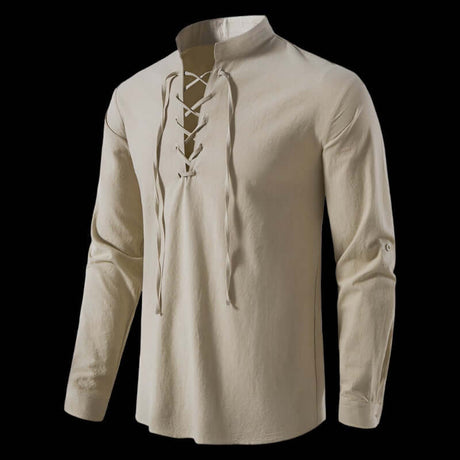
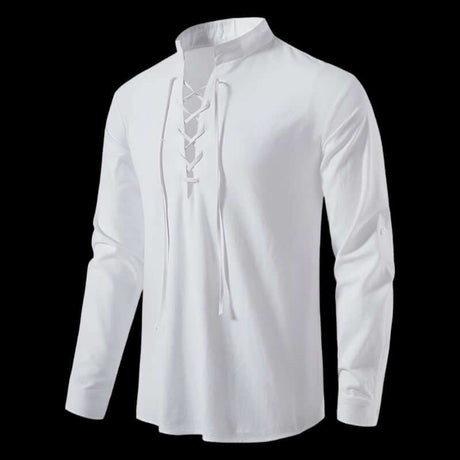
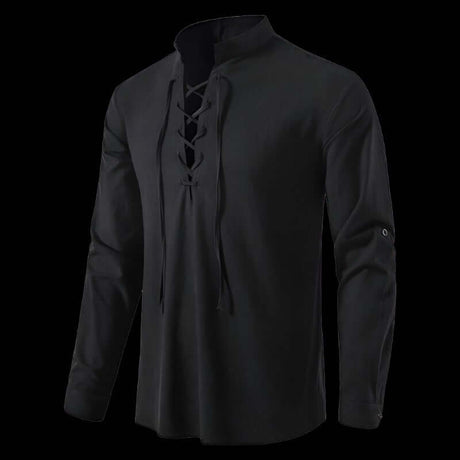
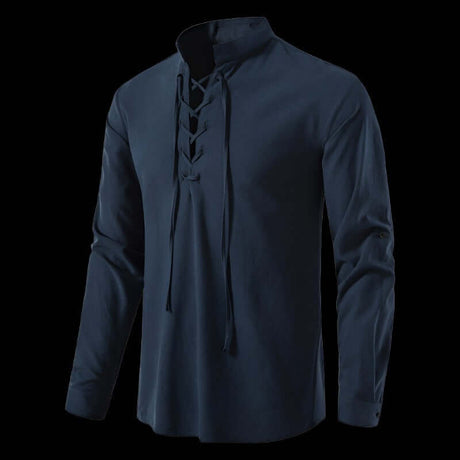
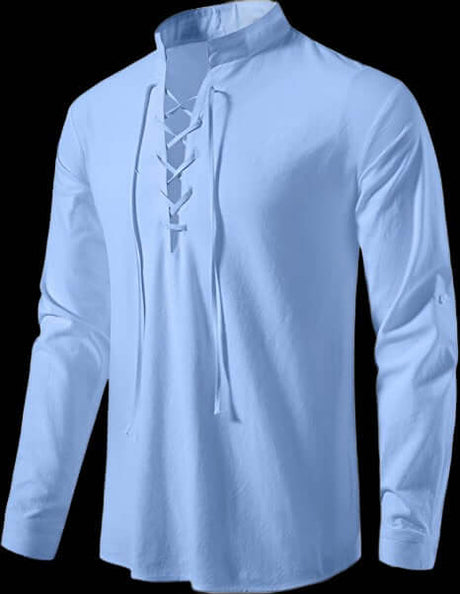
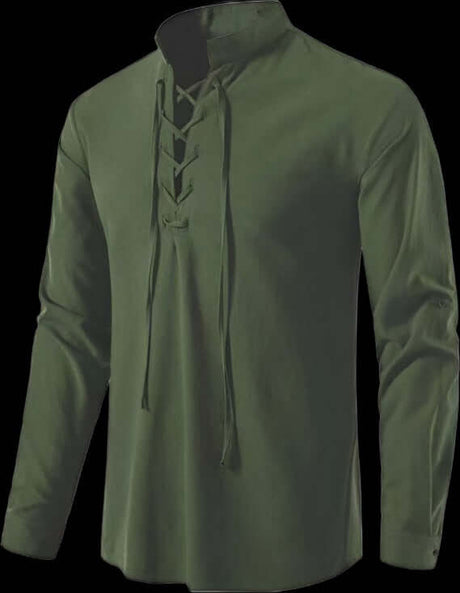
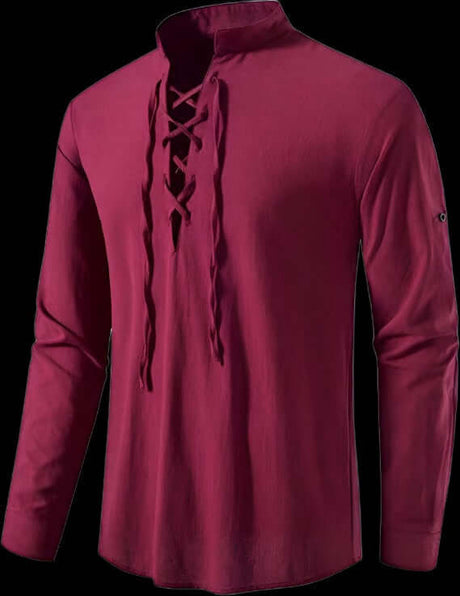
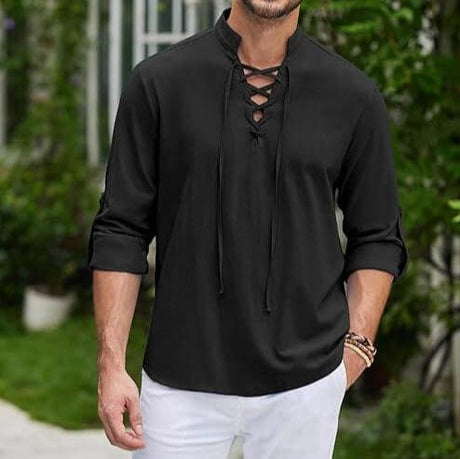
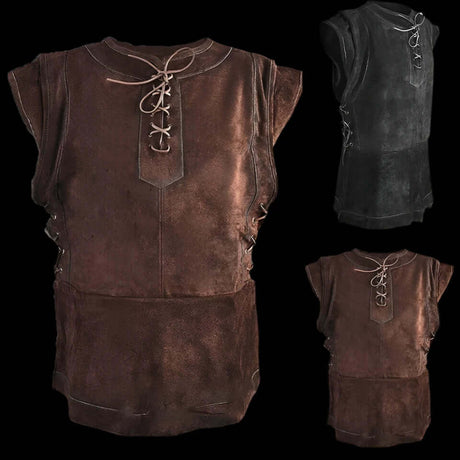
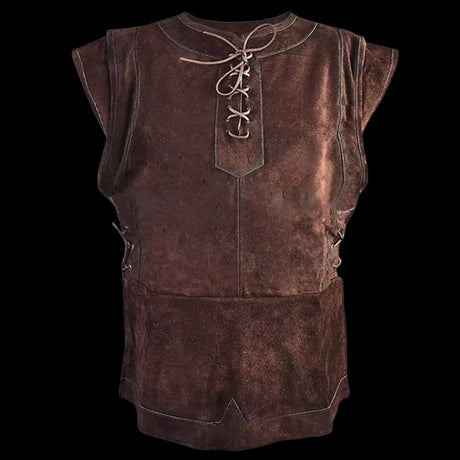
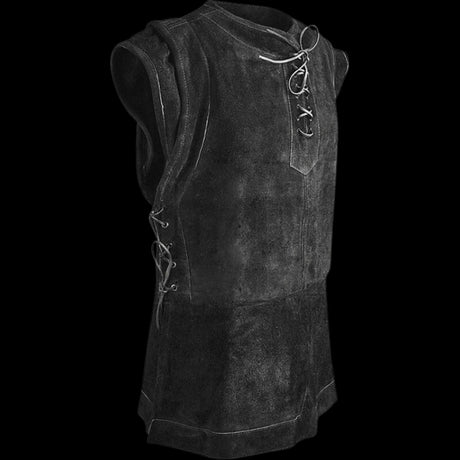
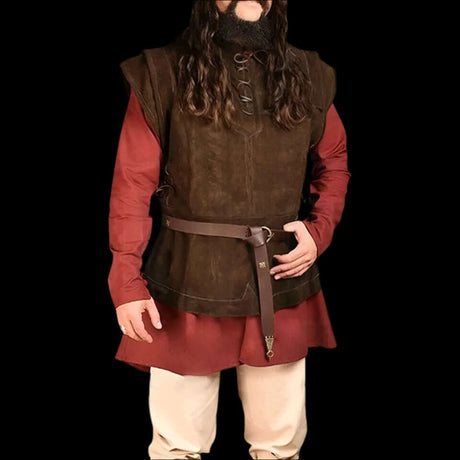
The staple of the male wardrobe was the tunic. This was a long-sleeved garment that reached down to the mid-thigh. It was usually made of wool and featured a simple slit for the neck. While it sounds basic, the Vikings often embellished their tunics with "tablet weaving"—intricate, decorative braids sewn onto the cuffs and neckline. This allowed a man to show off his family's wealth and his wife’s or mother’s skill as a weaver.

The Tunic
Trousers and Leg Wraps
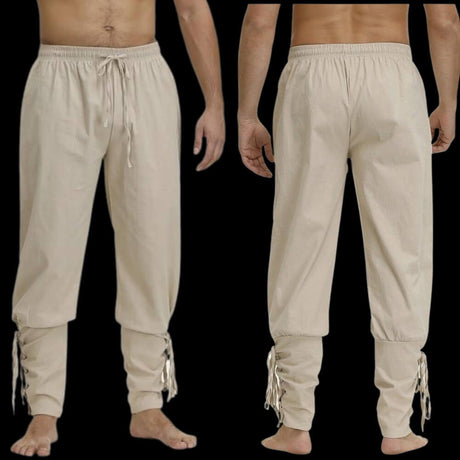
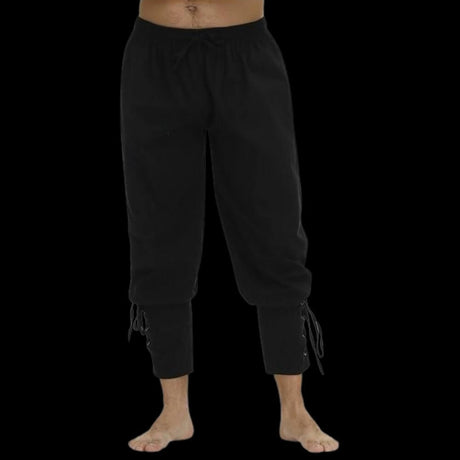
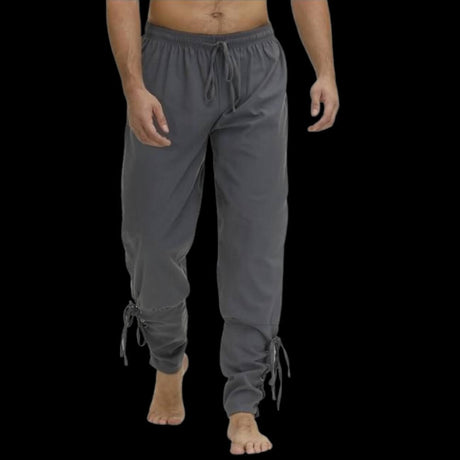
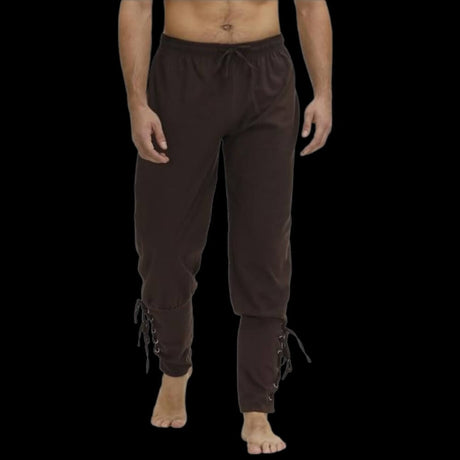
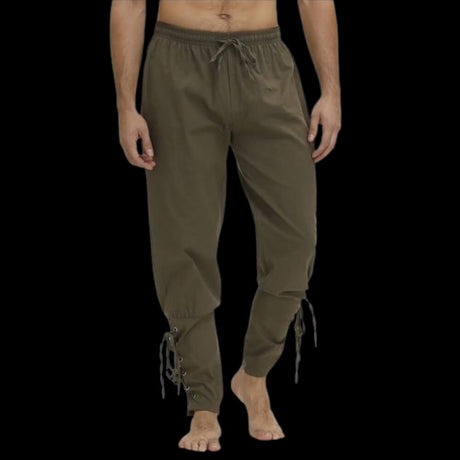
Viking trousers came in several styles. Some were relatively tight-fitting, while others were famously baggy—sometimes described as "balloon" trousers. To keep the fabric from snagging in the brush or getting soaked in the snow, men used winingas, or leg wraps. These were long strips of wool wrapped from the ankle to the knee, secured with small metal hooks.
I remember talking to a historical reenactor at a festival in Virginia who had spent a week living in authentic Viking Clothes. He noted that the leg wraps were a "revelation" for hiking. They acted like modern compression socks, reducing fatigue and providing a layer of protection that modern denim simply can't match.
What Women Wore: Layers of Status
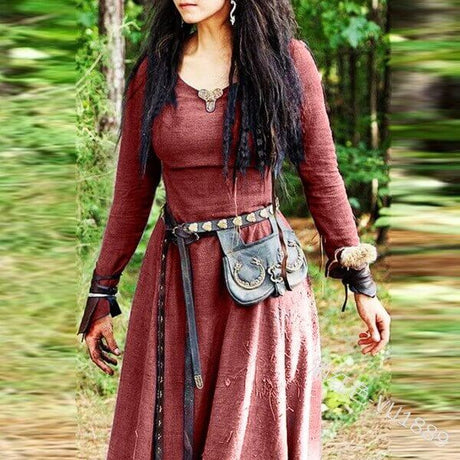
Viking women had a distinct silhouette that was both practical for farm management and expressive of their household's success. The layers of female Viking Clothes were complex and highly ornamental.
The Smokkr (Apron Dress)
The most iconic piece of female Viking attire was the apron dress. Underneath, a woman wore a long-sleeved linen shift that reached the floor. Over this, she wore the smokkr, which was essentially a tube of fabric held up by two shoulder straps.
The straps were fastened at the front with two large, oval-shaped bronze pieces known as "tortoise brooches." These weren't just jewelry; they were the "Swiss Army Knives" of the Viking woman. From these brooches, she would hang chains that held her keys, small knives, whetstones, and needle cases. As the manager of the household (the husfreyja), her clothing was her toolbelt.

The Smokkr (Apron Dress)
Headcoverings and Silk
Archaeology tells us that married women often wore a headscarf or a small linen hood. In wealthier households, we even see fragments of silk. This silk traveled thousands of miles along the Silk Road from Byzantium or even China. Seeing a woman with a silk-trimmed apron dress was the 10th-century equivalent of seeing someone in a high-end designer gown today.
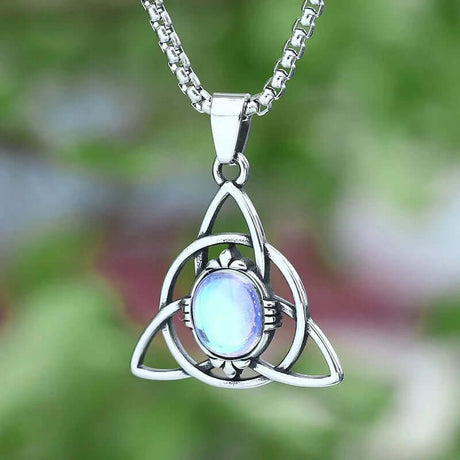
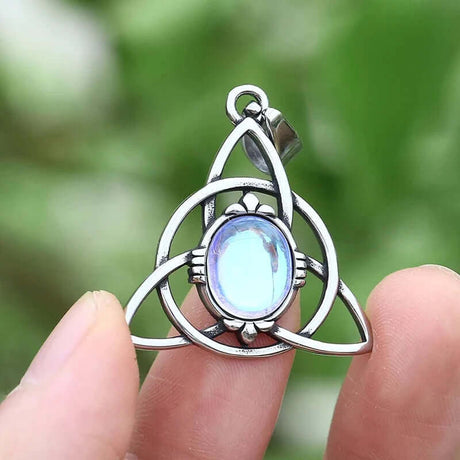
- See more: The Power of the Triquetra
The Warrior’s Gear: Protection Beyond Steel
When we discuss Viking Clothes in the context of war, we have to look past the mail shirt. While chainmail was the ultimate protection, it was incredibly expensive. A single mail shirt required thousands of hand-riveted rings and could cost as much as a small farm.
The Padded Gambeson
Most warriors relied on layers of heavy wool or "lamellar" armor (small plates of iron or leather laced together). A thick wool tunic, sometimes doubled up, acted as a "gambeson," absorbing the blunt force of a strike even if it couldn't stop a blade.
The Cloak: A Viking's Best Friend
The cloak was perhaps the most versatile piece of Viking Clothes. It was a heavy, rectangular piece of wool, often woven to be water-resistant. A Viking would pin his cloak on his right shoulder using a penannular brooch. This was a strategic choice; it kept his sword arm free while keeping his body warm. At night, the cloak became his sleeping bag.

Ranger Linen Cloak
Footwear and Hygiene: The Groomed Viking
The idea of the "dirty Viking" is a myth that needs to be retired. In fact, English chroniclers of the time complained that the Vikings were "too clean," because they bathed every Saturday, combed their hair, and changed their Viking Clothes regularly.
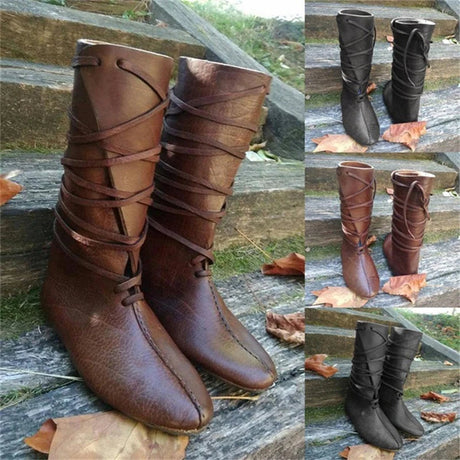
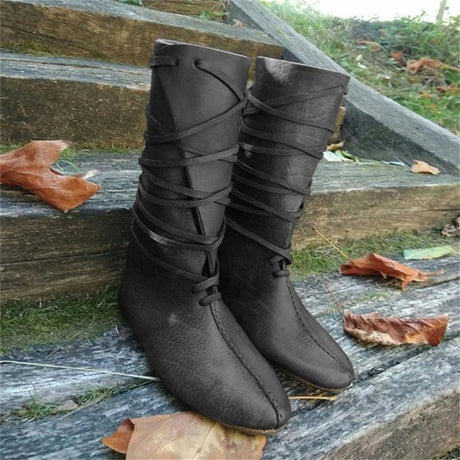
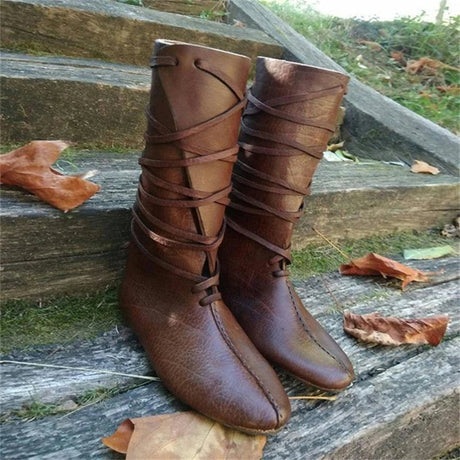
The Turn-Shoe
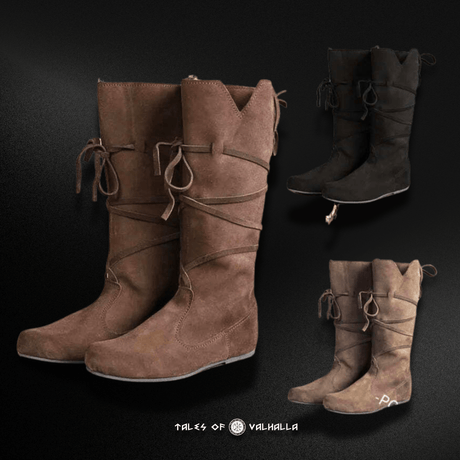
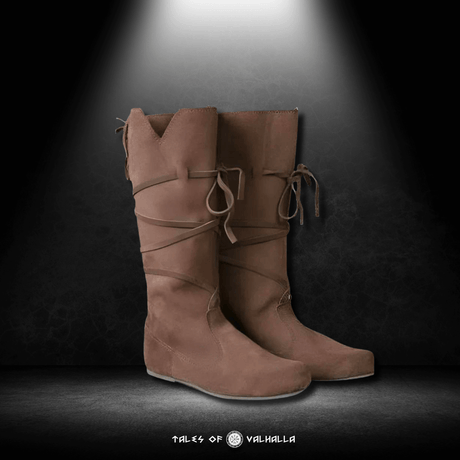
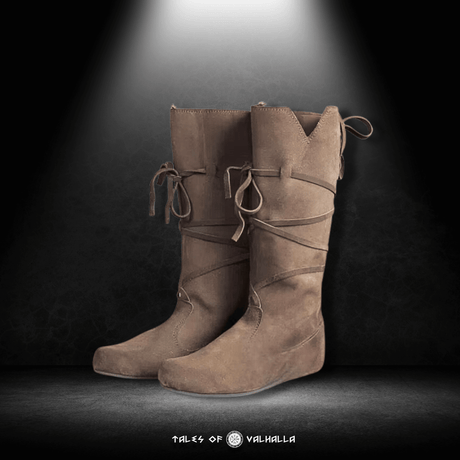
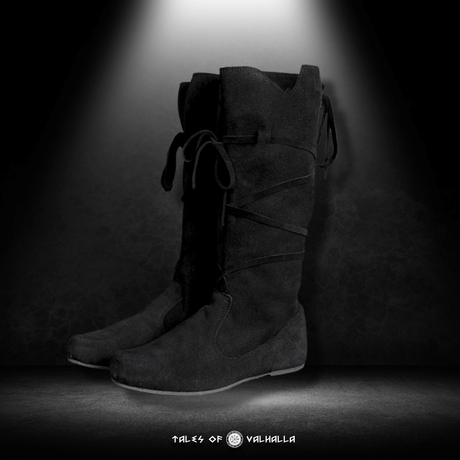
Viking boots were made of leather, usually goatskin or cowhide. They were constructed using the "turn-shoe" method: the shoe was sewn inside-out and then turned right-side out to hide the seams and protect the stitching from wear. While they lacked the thick rubber soles we are used to in the U.S., they provided excellent "ground feel," which was essential for maintaining balance on a rocking ship deck.
Personal Grooming
Archaeologists find more combs in Viking graves than almost any other artifact, including swords. They also found ear spoons for removing wax and tweezers for grooming. A Viking’s appearance was a matter of honor (drengskapr). To be tattered or unkempt was to show a lack of self-respect.
The Social Fabric: Why Clothing Mattered
In the Viking Age, your Viking Clothes were your resume. Since there was no paper currency, wealth was often displayed through "wearable capital."
- Arm Rings: These were often made of silver or gold and could be hacked apart to pay for goods.
- Beads: Women wore strings of glass, amber, and carnelian beads. The more beads a woman wore, the more successful her family’s trading ventures were.
- Fur Trimmings: While Hollywood overuses fur, the Vikings used it sparingly as trim—marten, fox, or beaver fur on the collar of a tunic was a sign of extreme wealth.
The Counterargument: Was it All for Show?
Some might argue that the focus on decorative Viking Clothes is exaggerated by the fact that we mostly find "fancy" clothes in graves. They suggest that the average farmer probably wore much simpler, undyed wool. While there is truth to this—farming is dirty work—even the sagas emphasize that Vikings would "dress up" for the Althing (assembly) or for religious festivals. The desire to look one's best during important life events is a human universal that the Vikings fully embraced.
Global Trade and the Evolution of Style
The Vikings were the ultimate "fashion hunters." As they traveled from the fjords of Norway to the markets of Baghdad, they picked up new styles and fabrics.
The Eastern Influence
Vikings who served in the Varangian Guard in Constantinople brought back eastern styles, such as the caftan—a long, buttoned coat that became popular among the Norse elite. This cross-cultural exchange shows that Viking Clothes were not static. They evolved as the Vikings' world expanded. By the end of the Viking Age, the look of a Norse chieftain was a blend of Scandinavian wool, English embroidery, and Byzantine silk.
How Modern Research is Changing the Story
Thanks to modern technology, our understanding of Viking Clothes is deeper than ever. High-resolution microscopy allows us to see the thread count of ancient fabrics, revealing weaving techniques that are difficult to replicate even with modern machines. Isotope analysis of the wool can even tell us which region the sheep were raised in.
For example, a study of textiles from the Oseberg ship burial revealed that the silk used was of the highest quality available in the world at that time. This suggests that the Norse elite were not just "barbarians" with a bit of silk, but participants in a sophisticated global luxury market.
Conclusion
When we look at Viking Clothes, we are looking at the values of a people who refused to be defined by the harshness of their environment. They took the coarse wool of their sheep and turned it into art. They took the plants of their fields and turned them into vibrant dyes. They understood that what we wear is an outward expression of our inner strength and our connection to our community.
Understanding the reality of their attire allows us to see the Vikings as they truly were: mothers, fathers, craftsmen, and explorers who appreciated beauty as much as they respected bravery. Their legacy isn't just in the swords they wielded, but in the intricate knots of their weaving and the bold colors of their tunics.
By embracing the true history of their craftsmanship, we keep their spirit alive. We move beyond the costume and into the culture, honoring the hands that spun the thread and the hearts that wore the wool. Their stories are woven into every fiber of the past, continuing to inspire the tales of valhalla.
"Tales of Valhalla is an expert chronicler of the Viking Age, blending scholarly research with master storytelling to revive the Old North. From the hidden depths of Norse mythology to the tactical grit of the sagas, they provide authentic, rich insights into the warriors, leaders, and legends that forged history." - Specialist in Norse mythology and Viking history