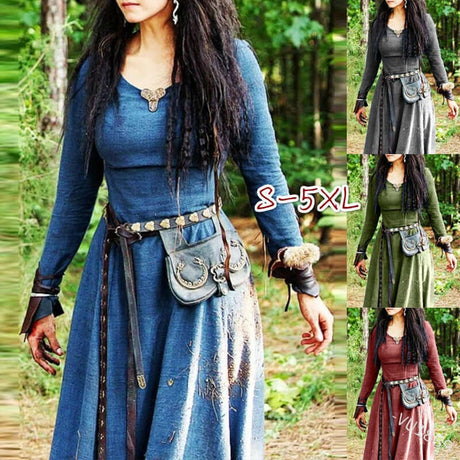
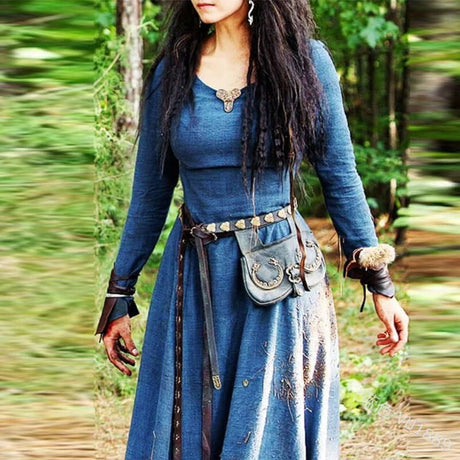
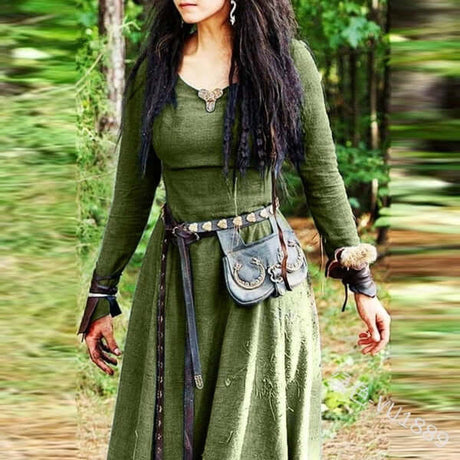
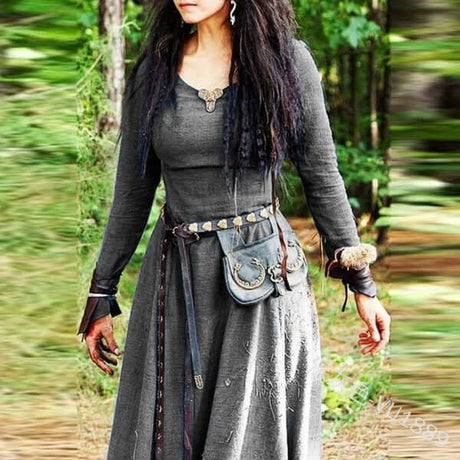
We have all seen the image. A fierce woman stands atop a jagged cliff, her hair intricately braided in a way that defies gravity. She wears tight-fitting leather pants, a fur-lined corset, and enough dark eyeliner to put a modern rock star to shame. She looks incredible, formidable, and—if we are being honest—entirely fictional.
When it comes to Viking Women’s Outfits, Hollywood has done a fantastic job of creating a "vibe" that resonates with modern audiences. From hit shows like Vikings to blockbuster films, the aesthetic is often "biker chic meets the Iron Age." While these designs make for great television, they often miss the vibrant, practical, and highly skilled reality of what Norse women actually wore.
If you are a history buff in the United States, or perhaps a reenactor looking for the truth, you might be surprised to learn that the real Viking Women’s Outfits were even more fascinating than their cinematic counterparts. They weren't just about looking "edgy"; they were about survival, social status, and a level of textile engineering that would make a modern fashion house blush.
Today, we are going to strip away the leather and the faux-fur to debunk the five most common myths about the wardrobe of the North.
Myth 1: The Obsession with Black Leather and "Battle Corsets"
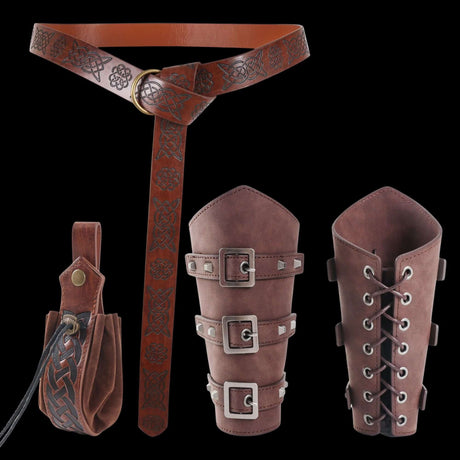
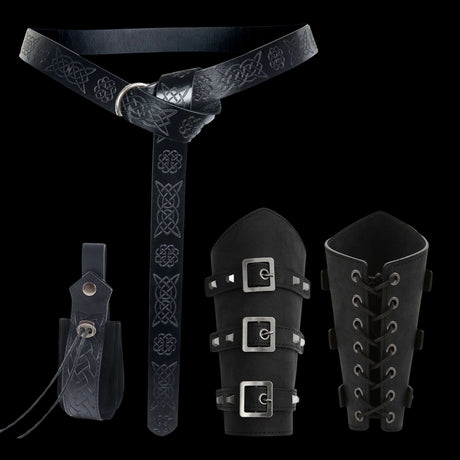
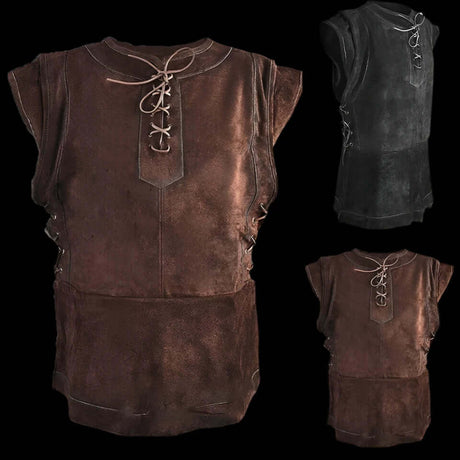
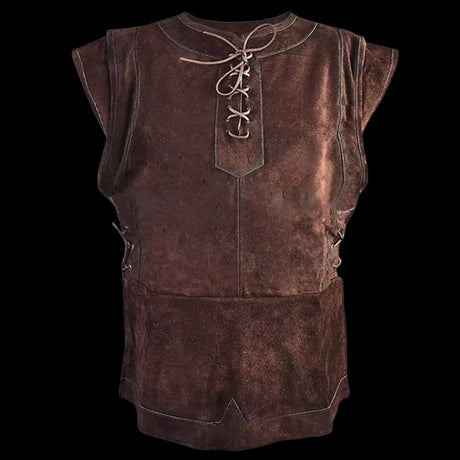
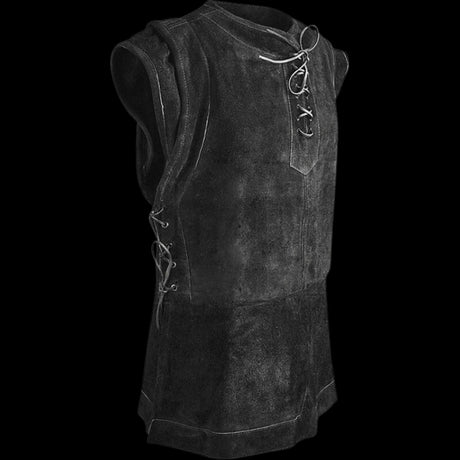
If you walk onto a movie set depicting the 9th century, you will see leather everywhere. It is the go-to material for the "badass" look. In reality, the idea of a woman—or even a man—wearing a full suit of black leather or a cinched leather corset is a total fabrication.

Historical vs. Hollywood: 5 Common Myths About Viking Women’s Outfits Debunked
The Reign of Wool and Linen
In the Viking Age, leather was a precious resource used for shoes, belts, pouches, and occasionally specialized protective gear like a sea-faring cloak. It was not comfortable, breathable, or easy to tailor into the form-fitting outfits we see on screen.
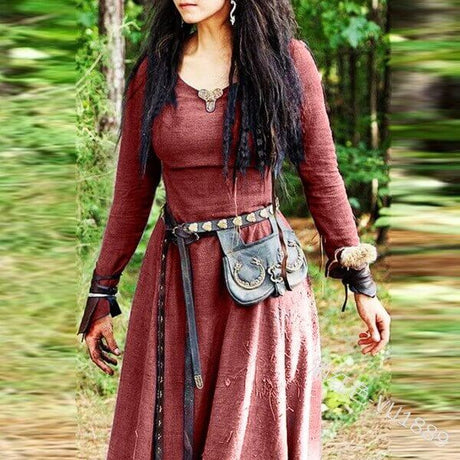
Instead, the primary materials for Viking Women’s Outfits were wool and linen. Wool was the "super-fabric" of the era. It was naturally water-resistant, insulating even when wet, and could be dyed in a kaleidoscope of colors. Linen was the preferred choice for undergarments, providing a soft, moisture-wicking layer against the skin.
The Comfort Factor
Think about the Scandinavian climate. If you wore a tight leather corset while working on a farm or navigating a fjord, you would be cold, stiff, and prone to skin infections. The authentic Norse silhouette was built on layers. These layers trapped air to provide warmth, much like a modern puffer jacket, rather than relying on the thickness of a single hide.
Myth 2: The "Mud and Grime" Aesthetic
Hollywood loves a desaturated color palette. They want the Viking world to look bleak, grey, and brown, as if the sun never shone and no one ever discovered a laundry tub. This "dirt-chic" look implies that Viking Women’s Outfits were primitive and drab.
A Technicolor Reality
Archaeological finds tell a very different story. The Vikings were obsessed with color. They used plant-based dyes like woad (blue), madder (red), and weld (yellow) to create vibrant garments. For a Norse woman, color was a status symbol. A bright red or deep blue dress wasn't just fashion; it was a loud announcement that her family had the wealth to afford imported dyes and the time to process them.
Research and Statistics: The Color of Discovery
To understand how much color mattered, we can look at the chemical analysis of textile fragments found in major archaeological sites.
| Color Found | Dye Source | Social Status | Availability |
| Deep Blue | Woad (Isatis tinctoria) | High / Elite | Requires long fermentation |
| Brick Red | Madder (Rubia tinctorium) | Medium / High | Relatively common root |
| Yellow | Weld or Onion skins | Common | Widely available |
| Purple | Lichens or Imported | Very High | Rare / Prestigious |
| Brown/Grey | Undyed Wool | Low / Working | Standard for daily labor |
As the table shows, Viking Women’s Outfits were far from monotone. While a farmhand might wear the natural grey of a sheep, the mistress of a household would be a walking rainbow of primary colors.
Myth 3: Shield-Maidens in High-Fashion Braids
We have all marveled at the "Viking braids" seen on Pinterest—complex masterpieces with shaved sides and silver rings woven through twenty different strands. While it is true that the Norse valued hair care (comb finds are one of the most common items in Viking graves), the hyper-stylized "warrior braids" are largely a modern invention.

Myth 3: Shield-Maidens in High-Fashion Braids
Function Over Flash
For a woman in the Viking Age, hair was a mark of femininity and status. Most evidence suggests that women wore their hair long. Unmarried women might leave it loose or in a simple braid, while married women often coiled it into a "knot" at the back of the head, sometimes covered by a small linen scarf or "hwit."
The "Lagertha" Effect
The shaved sides and undercut looks we see in modern media are great for showing off a character’s "toughness," but there is almost no historical evidence to support women wearing their hair this way. In a world where lice and hygiene were constant concerns, having a practical, manageable hairstyle was more important than looking "tactical" for a camera.
Expert Insight: "The Vikings were incredibly clean people compared to their contemporaries. They bathed weekly and used high-quality combs. Their hairstyles were neat and deliberate, but the extreme 'post-apocalyptic' braids we see in Hollywood are a product of the 21st century, not the 10th." — Dr. Heda Bjornsdottir, Viking Textile Consultant
Myth 4: The Absence of the "Smokkr" (Apron Dress)
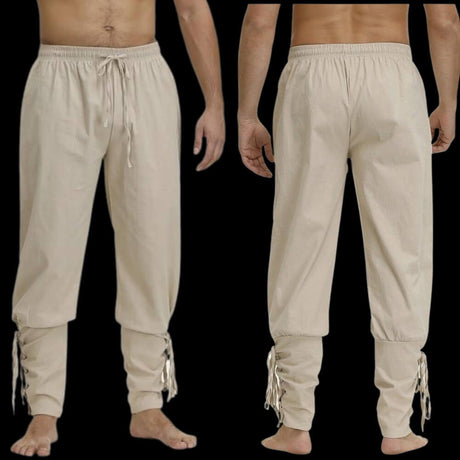
If you look at modern depictions, you often see women in tunics and trousers. While some women—particularly those traveling or performing heavy labor—may have worn trousers, the "standard" of Viking Women’s Outfits was the smokkr, or apron dress.
The Anatomy of an Authentic Look
Hollywood often skips the apron dress because it doesn't look "warrior-like" enough. However, the smokkr was a masterpiece of utility. It consisted of:
-
The Serk: A long-sleeved linen under-dress.
-
The Smokkr: A tube-like wool garment held up by shoulder straps.
-
The Brooches: Two large, oval bronze pins (turtle brooches) that anchored the straps and held a chain of beads and tools.
Why It Matters
The smokkr allowed for a range of motion and could be easily adjusted for pregnancy or weight gain. It also served as a "wearable toolbox." A woman would hang her keys, a small knife, a whetstone, and a needle case from her brooches. This was the ultimate functional garment, reflecting a woman's role as the manager of the household. By removing the apron dress, Hollywood removes the symbol of female authority in Norse society.
Myth 5: Fur as Everyday Outerwear
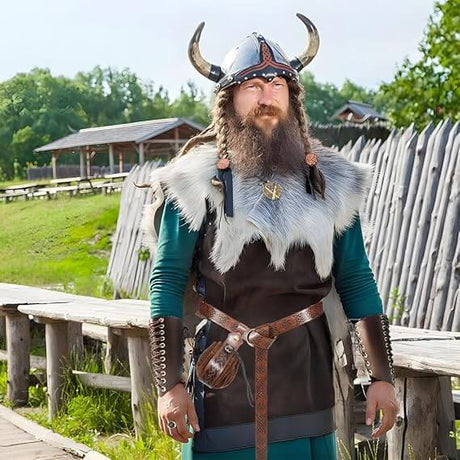
Finally, we have the "Jon Snow" effect. Every Viking in a movie seems to be draped in three different animal pelts at all times. While the Vikings did use fur, they didn't wear it as a fashion accessory in the way we see today.
Fur as a Liner, Not a Cape
Fur was used primarily for lining winter cloaks or for specialized cold-weather gear. It was rarely worn with the fur facing outward like a cape, as this makes the fur susceptible to rain and matting. Instead, the fur was kept against the body for maximum heat retention, with a waterproofed wool layer on the outside.
The Ethics and Economy of Fur
In the United States, we often forget that fur was a high-value trade commodity. A high-quality marten or sable fur was worth a fortune in the markets of Byzantium or Baghdad. A Viking family was more likely to trade their best furs for silver and silk than they were to wear them while hauling wood. The "fur-heavy" Viking Women’s Outfits we see on screen are an exaggeration of wealth and a misunderstanding of how fur actually works as an insulator.
🧐 The Counter-Argument: Why Does Hollywood Get It Wrong?
It is easy to be a "historical purist," but it is important to understand why these myths persist. Filmmakers are not trying to write a textbook; they are trying to tell a story.
Tight leather and "warpaint" are visual shorthand for "these people are dangerous and different." If a movie showed a group of Viking women in bright yellow apron dresses, sitting in a circle and spinning wool while singing, the modern audience might perceive them as "domestic" rather than "fierce."
The challenge is that Norse women were fierce precisely because of their domestic mastery. They managed the wealth, the food, and the clothing that kept the men alive on raids. Their "warrior" status came from their ability to navigate a brutal world, not from how many leather straps they could buckle onto their thighs.
Real-Life Examples: What to Wear Instead
If you are looking to build an authentic set of Viking Women’s Outfits, forget the costume shop "Viking Vixen" kits. Here is how you can achieve a look that would pass muster in a 10th-century longhouse:
-
Start with the Chemise: Find a 100% linen under-dress. It should be floor-length and comfortable.
-
The Wool Hangerock: Use a heavy, diamond-weave wool for the outer apron dress. Stick to natural colors or deep, plant-based hues like madder red.
-
Turtle Brooches are Key: You cannot have a legitimate Norse outfit without a pair of oval brooches. They are the "signature" of the era.
-
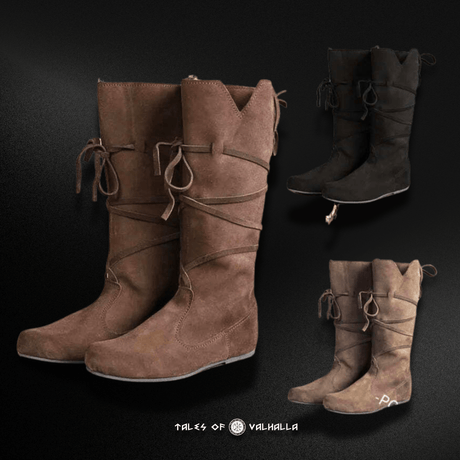
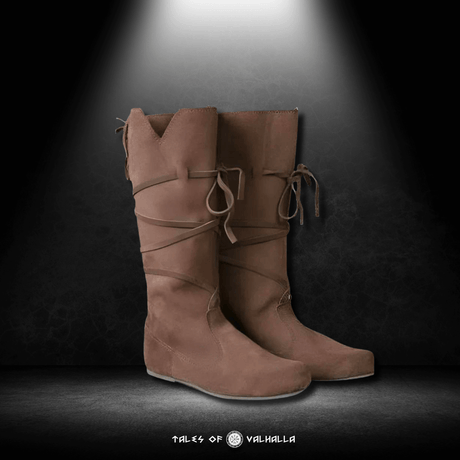
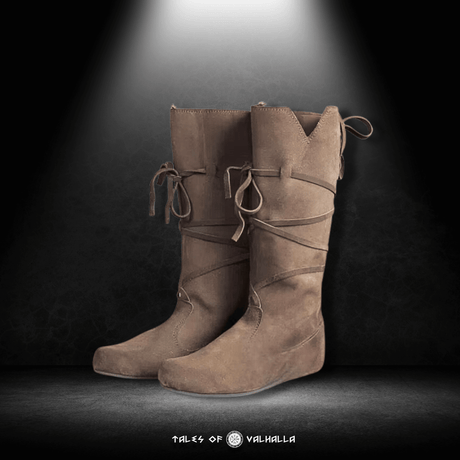
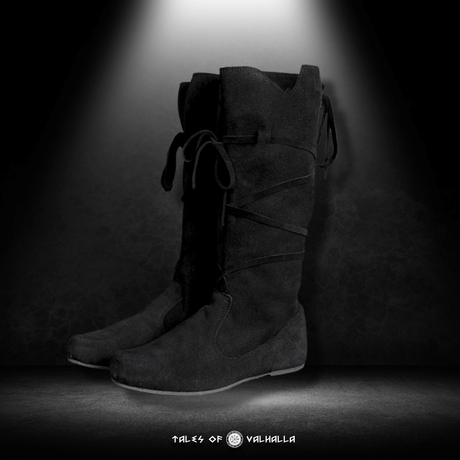
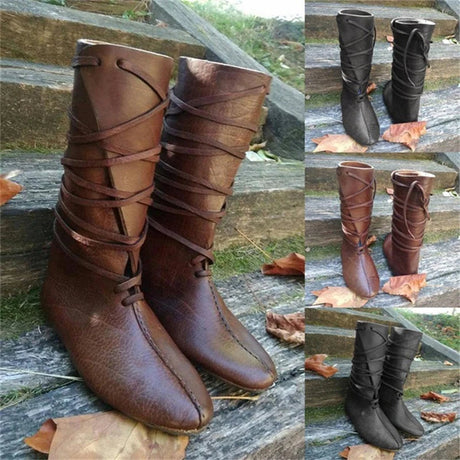
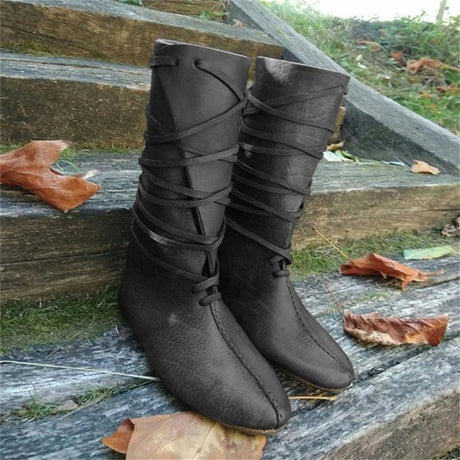
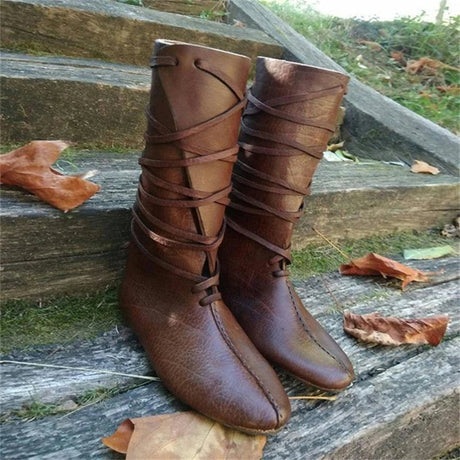
Practical Shoes: The Vikings wore "turnshoes"—soft leather shoes that were sewn inside out and then flipped. They look more like slippers than combat boots.
-
Accessories with Meaning: Instead of a plastic sword, carry a set of keys and a small bone needle case. These were the true symbols of a woman’s power.
The Future of Viking Women’s Outfits in Media
We are starting to see a shift. Recent historical dramas are beginning to consult with textile archaeologists to bring more accuracy to the screen. We are seeing more weaving, more tablet-woven trim, and more authentic silhouettes.
As an audience, we are becoming more sophisticated. We no longer need characters to be "bikers" to believe they are tough. We are starting to appreciate the beauty of a well-made wool cloak and the complexity of a hand-pleated linen shift.
-
You might be interested in this product: woman viking costumes
Conclusion: The Real Shield-Maiden
The anatomy of Viking Women’s Outfits is a story of ingenuity. It tells of a culture that didn't have "disposable" clothes. Every thread was spun by hand, every inch of fabric was woven on a loom, and every garment was meant to last a lifetime.
When we debunk these Hollywood myths, we aren't just being "nitpicky." We are reclaiming the actual lives of the women who built the Norse world. They were vibrant, colorful, and incredibly practical. They didn't need black leather or "warrior braids" to be formidable; they had the power of the loom, the wisdom of the hearth, and the protection of the best wool in the world.
The real Viking Women’s Outfits were not a costume—they were a survival suit. And that, in itself, is far more "badass" than anything Hollywood has ever dreamed up.
"Tales of Valhalla is an expert chronicler of the Viking Age, blending scholarly research with master storytelling to revive the Old North. From the hidden depths of Norse mythology to the tactical grit of the sagas, they provide authentic, rich insights into the warriors, leaders, and legends that forged history." - Specialist in Norse mythology and Viking history