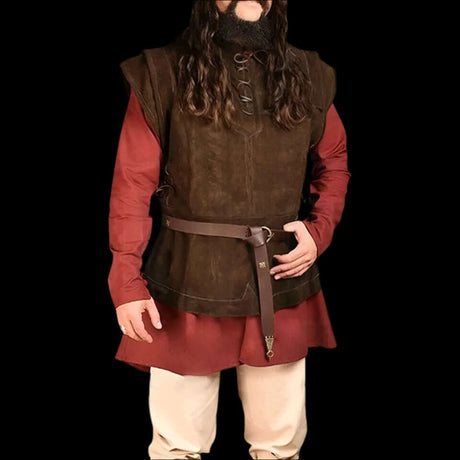
Imagine standing on a windswept ridge in 9th century Northumbria. Your breath frosts in the air. To your left and right stand men you’ve farmed with, feasted with, and now, will bleed with. You aren’t just holding weapons; you are part of a living machine. In your right hand, the cold weight of a pattern welded blade; in your left, a broad disc of linden wood.
The Viking Sword and Shield combination was the pinnacle of Norse personal combat. While pop culture often portrays Vikings as berserkers swinging wildly, the reality was far more surgical. It was a sophisticated system of physics, psychology, and biomechanics.
Today, we are diving deep into the dual wielding mastery of the North. Whether you’re a history buff, a martial artist, or someone fascinated by the sheer grit of the Viking Age, understanding how these two tools worked in tandem is like unlocking a secret code of ancient warfare.
The Anatomy of the Master’s Tools
Before we look at the "how," we must understand the "what." A Viking Sword and Shield weren’t just picked off a rack. They were often tailored to the warrior’s reach and stature.

The Anatomy of the Master’s Tools
The Sword: More Than Just a Blade
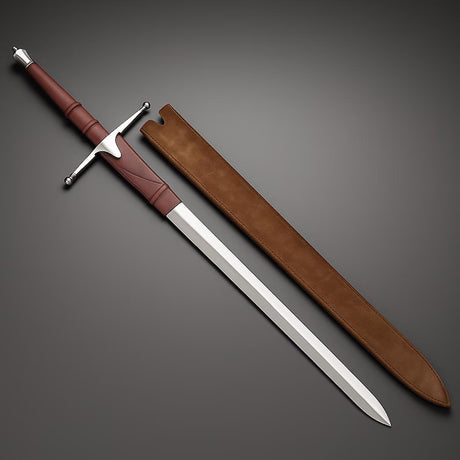
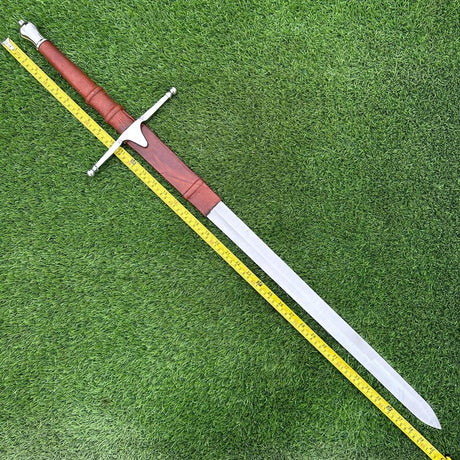
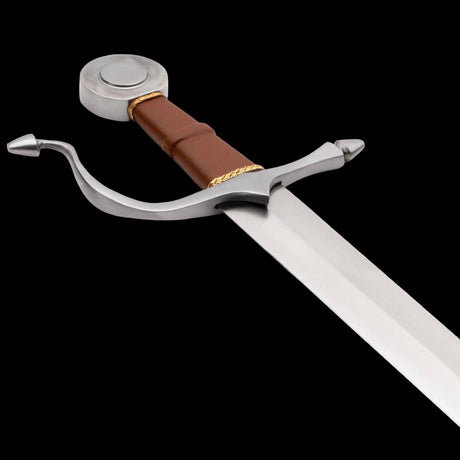
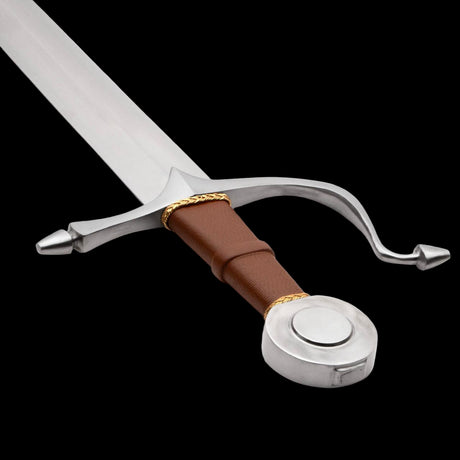
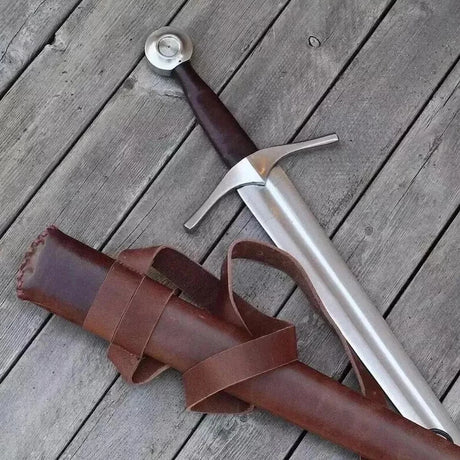
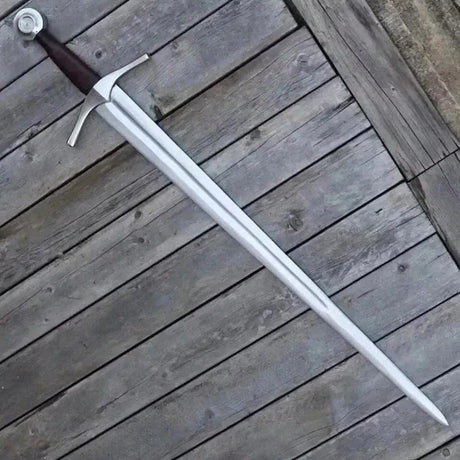
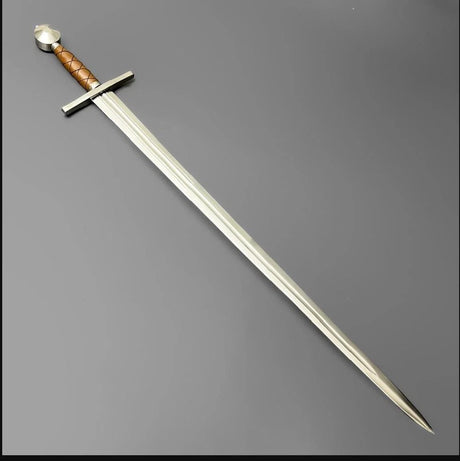
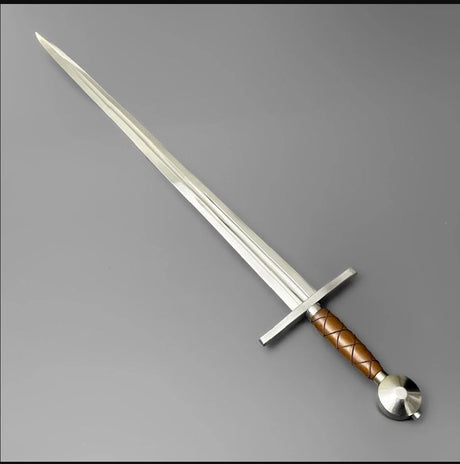
The Viking sword was a prestigious sidearm. It was light, usually weighing between 2 and 3 pounds, and balanced for fast, snapping cuts. Most were double edged, allowing the warrior to strike on both the "true" and "false" edges without turning the wrist excessively.
The Shield: An Active Weapon
The most common misconception is that the shield was a passive wall. In the hands of a Norseman, the shield was a "boss forward" offensive tool. Made primarily of linden (basswood) or fir, these shields were designed to be light enough to punch with, yet fibrous enough to "trap" an enemy’s blade.
Core Tactics: The Dance of Steel and Wood
Mastering the Viking Sword and Shield required a specialized stance. Unlike the squared up stances of later medieval knights, a Viking warrior often led with the shield side, presenting a smaller target.
1. The "Shield Punch"
One of the most effective Viking Sword and Shield tactics involved the iron boss, the metal dome in the center of the shield. A warrior wouldn’t just block an incoming blow; they would "meet" it, punching outward. This deflected the enemy's weapon and often smashed into their face or chest, creating a momentary opening for the sword.
2. The Bind and Clear
Because Viking shields were not rimmed with heavy metal (usually just rawhide), an opponent’s sword would often bite into the wood. A skilled warrior used this to their advantage. By twisting the shield, they could "bind" the enemy's blade, wrenching it out of line and clearing a path for a lethal thrust from their own Viking Sword and Shield.
3. Hiding the Intent
The broad diameter of the round shield (typically 30 to 36 inches) acted as a curtain. A warrior could chamber a sword strike behind the shield, leaving the opponent guessing where the blow would come from, the neck, the thigh, or the sword arm.
Quantitative Insight: The Logistics of the Loadout
To understand why the Viking Sword and Shield dominated the battlefield, we have to look at the data. Equipment efficiency was the difference between returning home and staying in the soil of a foreign land.
Combat Equipment Comparison
| Feature | Viking Round Shield | Late Medieval Heater Shield |
| Average Weight | 6 to 10 lbs | 4 to 7 lbs |
| Diameter | 30 to 38 inches | 20 to 28 inches |
| Material | Linden or Poplar | Oak or Hardwood |
| Primary Grip | Center grip | Enarmes (Strapped) |
| Tactical Role | Offensive or Trapping | Defensive or Static |
The center grip design of the Viking Sword and Shield setup allowed for a much greater "reach" with the shield. You could extend your arm to intercept a blow before it even got close to your body, a luxury strapped shields didn’t provide.
The Shield Wall: Collective Dual Wielding
In the United States, we often value the "lone hero" narrative. However, the Vikings knew that a single Viking Sword and Shield was strong, but a hundred were invincible.

The Shield Wall: Collective Dual Wielding
The skjaldborg (shield wall) was the ultimate expression of Norse tactics. In this formation, shields overlapped like the scales of a dragon. The men in the front rank would lock their shields, while the men behind would use spears or axes to strike over the top.
The Nuance of the Wall
A common counterargument is that the shield wall was a static, boring affair. On the contrary, research by modern experimental archeologists suggests the shield wall was a fluid, "pulsing" entity. It would expand to envelop an enemy and contract to weather a charge. The Viking Sword and Shield played a vital role here; when the wall broke into individual combat (the holmgang style), the transition from formation to solo mastery had to be seamless.
Beyond the Physical: The Psychology of the North
Fighting with a Viking Sword and Shield wasn’t just a physical act, it was a psychological one. The sight of a line of painted shields, often decorated with ravens, serpents, or solar wheels, was designed to intimidate.
The shield was your "honor." To return from battle without your shield was a mark of cowardice, as it meant you had dropped it to flee faster. In contrast, the sword was your "legacy." Many swords were passed down for generations, believed to carry the "luck" of the ancestors.
"A man should never move a step from his weapons when out on the road; for he never knows when he might need his spear." — The Hávamál
While the Hávamál mentions the spear, the principle applied heavily to the Viking Sword and Shield. They were the constant companions of the free man.
Addressing the Limitations
No tactical system is perfect. The Viking Sword and Shield setup had its drawbacks:
- Fatigue: Holding a 10 pound wooden disc at arm's length during a long battle is grueling.
- Fragility: Softwood shields were designed to be sacrificial. In a heavy engagement, a warrior might go through two or three shields.
- Range: Against a long reaching spear or a Dane Axe, the sword user had to be incredibly brave or incredibly fast to close the distance.
Norse warriors mitigated these by training in "shield binding" and "closing the gap," ensuring that their Viking Sword and Shield remained relevant even against longer weapons.
Modern Legacy and the Tales of Valhalla
Today, the spirit of the Viking Sword and Shield lives on in Historical European Martial Arts (HEMA) schools across the United States. From New York to California, people are picking up linden wood replicas and blunt steel blades to rediscover these lost arts.
We study these tactics not just to learn how to fight, but to understand the mindset of a culture that thrived on the edge of the known world. Every parry, every punch of the boss, and every deceptive cut is a bridge to the past.
In the end, the mastery of the Viking Sword and Shield wasn’t about being the strongest; it was about being the smartest. It was about using your equipment to control the space, the enemy, and your own fear. As we recount these tales of valhalla, we honor the ingenuity of the North, a legacy of steel and wood that refuses to be forgotten.
"Tales of Valhalla is an expert chronicler of the Viking Age, blending scholarly research with master storytelling to revive the Old North. From the hidden depths of Norse mythology to the tactical grit of the sagas, they provide authentic, rich insights into the warriors, leaders, and legends that forged history." - Specialist in Norse mythology and Viking history