Imagine standing on a mist-shrouded shore in 9th-century Northumbria. The air is cold, smelling of salt and damp earth. You aren't a high-born lord with a gilded sword. You are a farmer. Your hands are calloused from tilling soil and chopping firewood.
In your belt hangs the same tool you used this morning to clear brush: your axe. But as the dragon-headed ships grate against the sand, that tool undergoes a psychological and physical transformation. It is no longer for wood; it is for survival. It has become a Viking Fighting Axe.
The story of the Norsemen is often written in blood and steel, but the true hero of their expansion wasn't the rare, expensive sword—it was the humble, terrifyingly efficient axe.
The Anatomy of an Icon: More Than Just a Wood-Chopper
To understand the Viking Fighting Axe, we have to look at its DNA. Unlike the heavy, wedge-shaped axes we use today to split logs in our backyards, a true Viking Fighting Axe was a marvel of minimalist engineering.

The Anatomy of an Icon: More Than Just a Wood-Chopper
Lightweight Lethality
A common misconception in modern media is that Viking weapons were heavy and clunky. In reality, a Viking Fighting Axe was surprisingly light. The blade was forged thin—sometimes only a few millimeters thick behind the edge—to ensure it was fast. In a shield-wall, speed was life.
The "Bearded" Design
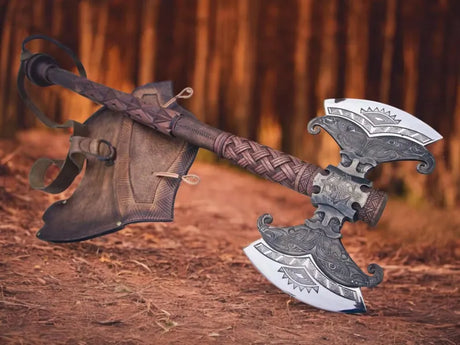
One of the most recognizable silhouettes in history is the "bearded" axe (Skeggøx). The lower part of the axe head drops down like a beard. This wasn't just for aesthetics. This design allowed the warrior to:
- Reduce Weight: You get a wide cutting edge without the weight of a massive iron head.
- Hook and Pull: A warrior could reach over the top of an opponent's shield, hook the rim with the "beard," and pull it down, exposing the enemy to a thrust or a teammate's strike.
From the Homestead to the Heathen Army
Why did the axe become the primary weapon of the Viking Age? The answer lies in economics and practicality. In the United States today, we might compare it to the "multi-tool" philosophy.
The Weapon of the Everyman
During the Viking Age, iron was a precious commodity. Forging a viking king sword required an immense amount of high-quality steel and hundreds of man-hours. Most free men (Bondi) couldn't afford one. However, everyone needed an axe to survive the harsh Scandinavian winters.
By slightly modifying the profile of a domestic tool—lengthening the handle and thinning the blade—a farmer became a formidable raider. The Viking Fighting Axe was the ultimate "dual-use" technology.
Statistical Comparison of Norse Weaponry
To understand the prevalence of the Viking Fighting Axe, let’s look at the archaeological data from burial sites across Scandinavia.
| Weapon Type | Estimated Frequency in Burials | Relative Cost (in Livestock/Silver) | Primary Use Case |
| Viking Fighting Axe | 65% - 75% | Low (Accessible to most) | Versatile: Chopping, Hooking, Throwing |
| Viking King Sword | 5% - 10% | Very High (Elite status) | Slashing, Status Symbol |
| Spear | 80% + | Low to Medium | Rank-and-file, Hunting |
| Dane Axes | 10% (Late Era) | Medium | Specialized Shock Infantry |
Evolution of Terror: The Rise of the Dane Axe
As the Viking Age progressed, the Viking Fighting Axe evolved. By the 11th century, we see the emergence of the Dane Axes. This was a two-handed beast, often featuring a handle four to five feet long.
Imagine the psychological impact. While a short tunic and a vikings shield offered some protection, the Dane Axe was designed to cleave through both. Historical accounts of the Battle of Hastings describe "Huscarls" using these axes to chop through the heads of horses and the shields of the Norman invaders in a single blow.
The Ragnar Axe: Legend vs. Reality
Many enthusiasts today search for a ragnar axe or a viking tomahawk axe based on popular television portrayals. While the show Vikings brought the aesthetic to the mainstream, the real Viking Fighting Axe was often simpler. However, the "Ragnar" style—a small, agile hand axe—perfectly illustrates the Viking philosophy: mobility over mass.
 Evolution of Terror: The Rise of the Dane Axe
The Combat Logic of the North
Fighting with a Viking Fighting Axe wasn't just about swinging wildly. It was a sophisticated system of leverage and geometry.
The Hook and Trap
If you’ve ever watched a reenactment, you’ll notice that the axe is rarely used for a direct "block." Instead, a warrior uses their vikings shield to take the blow and their Viking Fighting Axe to manipulate the enemy’s weapon.
"The axe is a thinking man's weapon. You don't just hit the shield; you take the shield away from them." — Dr. Jan Petersen, Archeologist and Weaponry Specialist.
Versatility in the Shield Wall
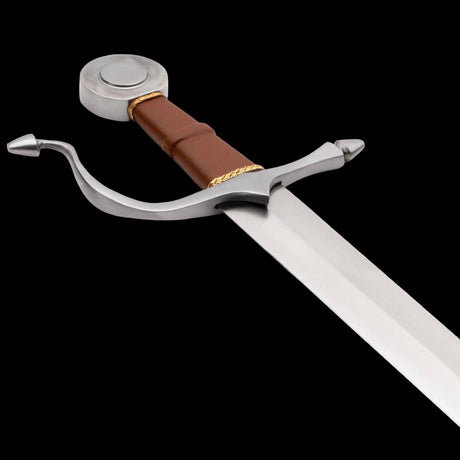
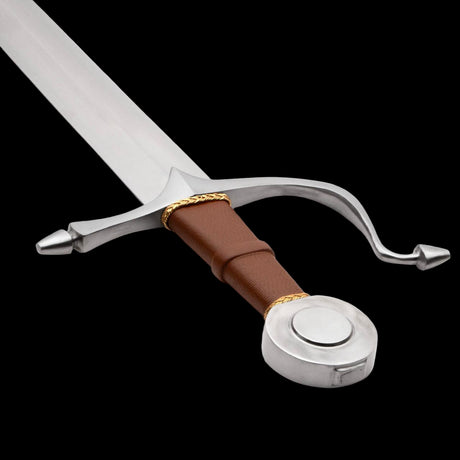
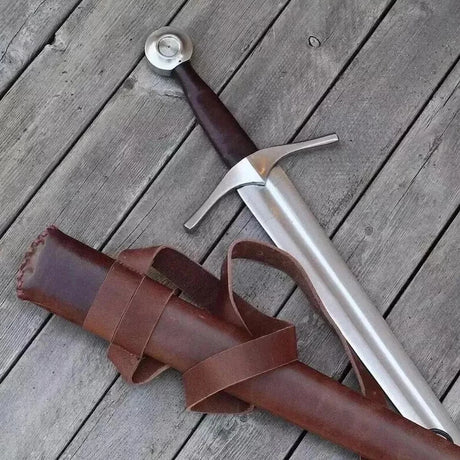
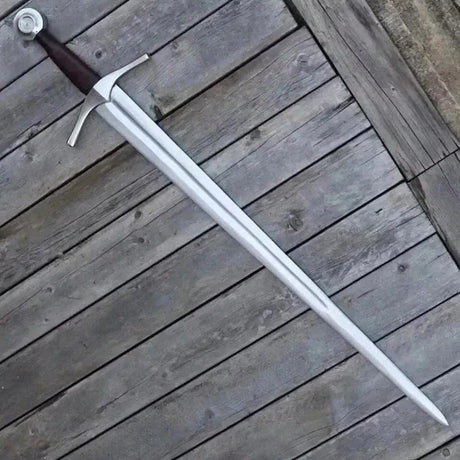
In the tight confines of a shield wall, a viking king sword can be difficult to draw or swing. A Viking Fighting Axe, however, can be used to "punch" with the head or "hook" the ankles of an opponent through the gaps at the bottom of the line.
- See more: Viking axes for sale
Modern Availability: Finding a Viking Axe for Sale
For those in the United States looking to own a piece of this history, the market for a viking axe for sale has exploded. But how do you tell the difference between a "wall hanger" and a functional tool?
What to Look For in an Authentic Piece
When searching for fighting axes for sale or vikings throwing axes, consider these three factors:
- Steel Quality: Look for high-carbon steel (like 1045 or 1060). Stainless steel is too brittle for an axe and will shatter upon impact.
- Grain Orientation: The wooden handle (usually Ash or Hickory) should have the grain running vertically. This prevents the handle from snapping during a heavy strike.
- Hafting: The head should be secured with a wedge. If it's just glued on, it’s a decorative piece, not a Viking Fighting Axe.
The Reenactment Kit
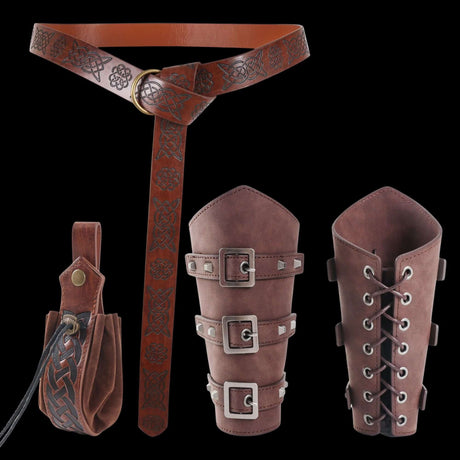
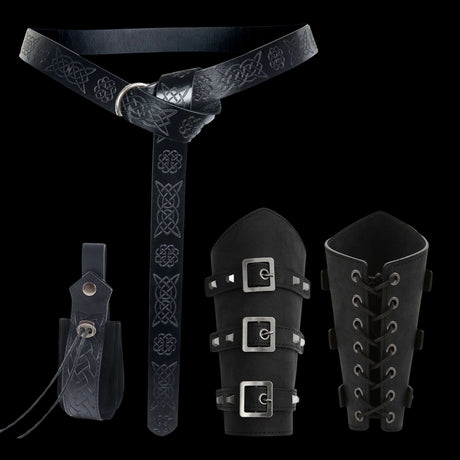
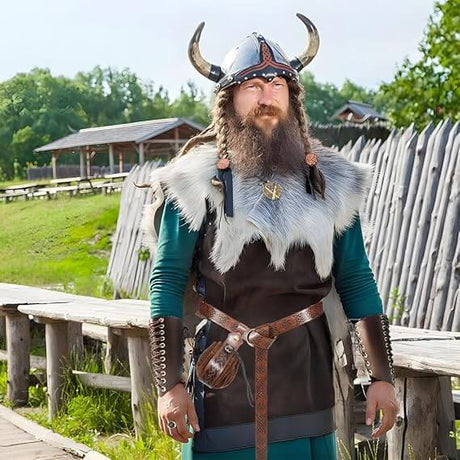
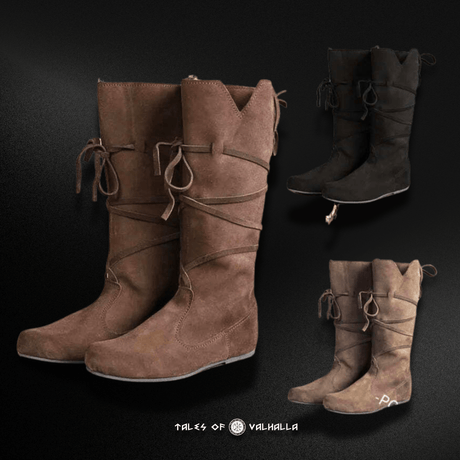
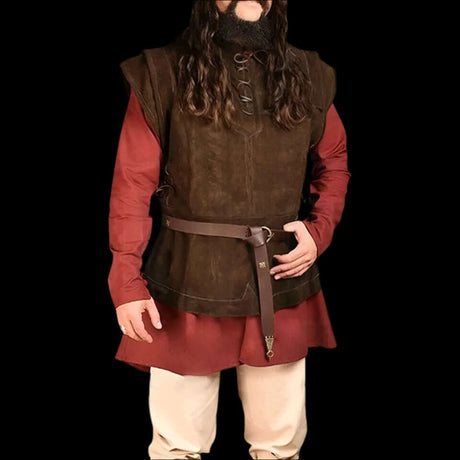
For many, the axe is just the beginning. A full "Viking Persona" often includes:
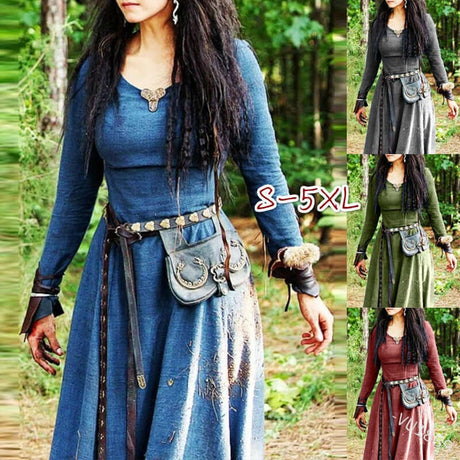
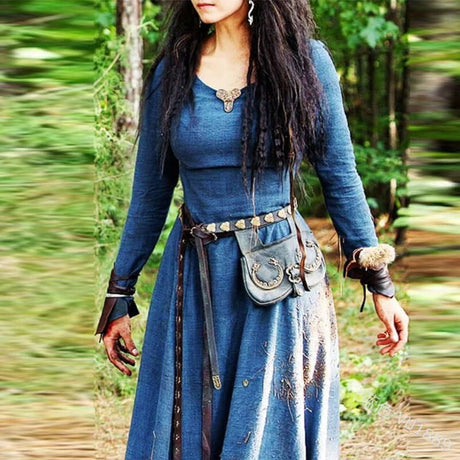
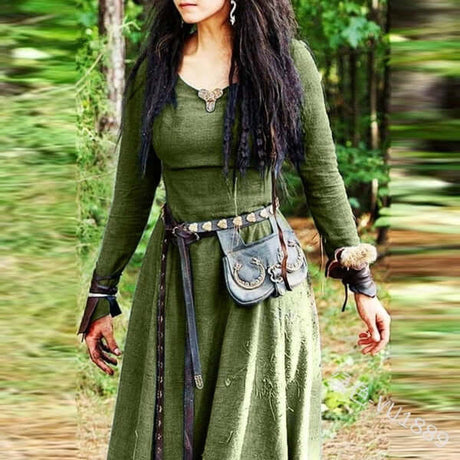
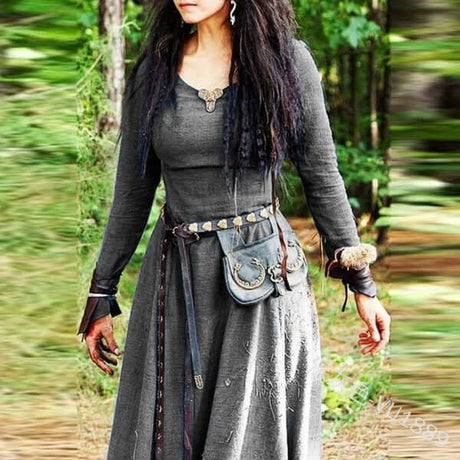
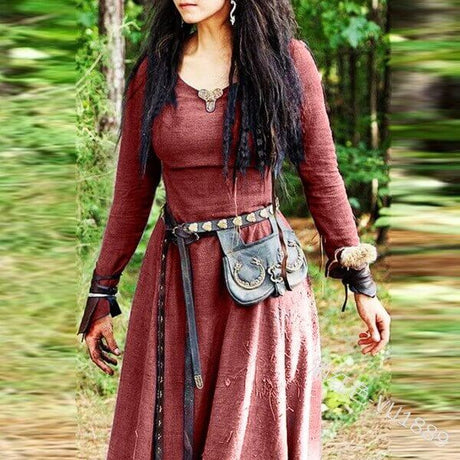
- Authentic Viking Woman Costume: Often featuring an apron dress (hangelrock) and brooches.
- Viking Female Armor: Incorporating leather lamellar or chainmail.
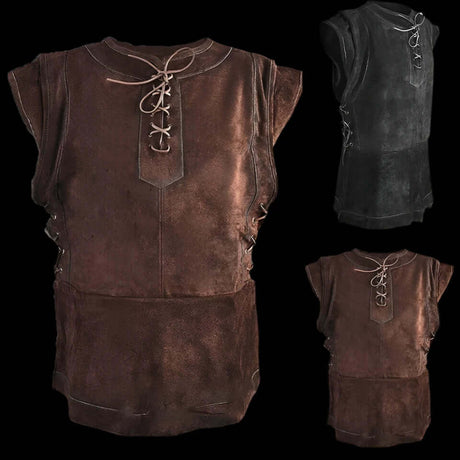
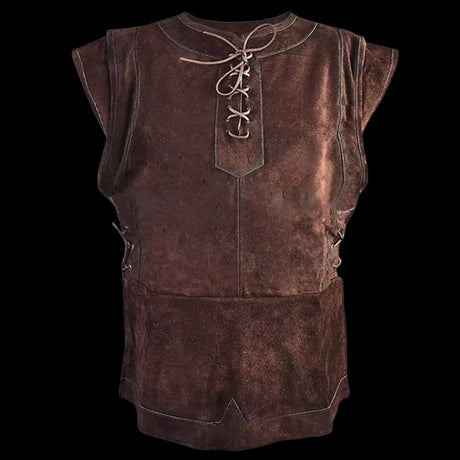
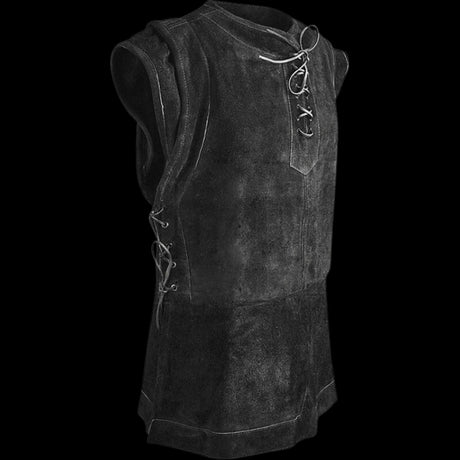
- Viking Clothing for Sale: Look for natural fibers like wool and linen to maintain authenticity.
- Authentic Viking Tattoos: Incorporating Norse knots or the Vegvísir.
The Cultural Impact: More Than a Tool of War
The Viking Fighting Axe wasn't just a weapon; it was a symbol of the Norse spirit. It represented self-reliance. If you had an axe, you could build a house, you could build a boat, and you could defend your family.

The Cultural Impact: More Than a Tool of War
The Runic Connection
Occasionally, a warrior would have their weapon inscribed, turning it into a runic sword or a runic axe. These inscriptions weren't just for decoration; they were prayers or "programs" for the weapon to perform well. "May this bite deep," or "Victory-bringer." To a Viking, the axe had a soul.
Counter-Arguments: Was the Sword Actually Better?
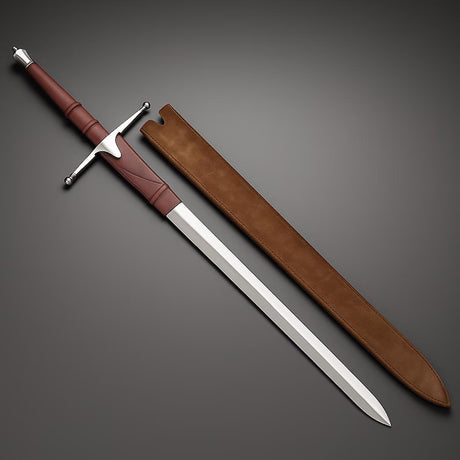
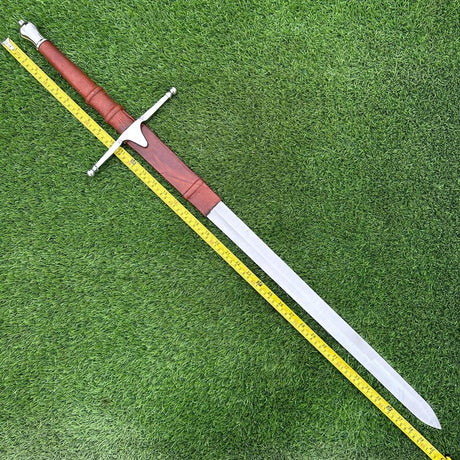
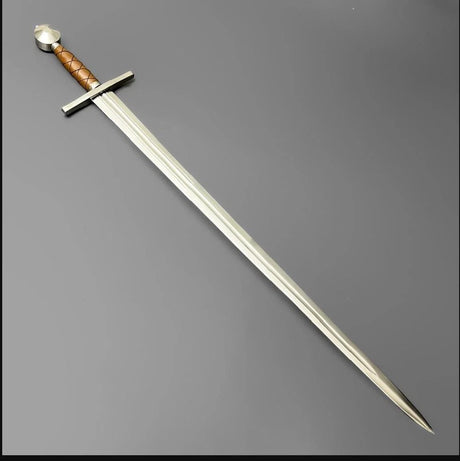
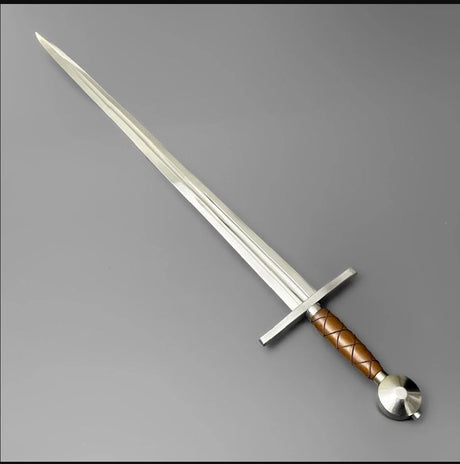
Some historians argue that we over-romanticize the axe. They point to the viking king sword as the superior weapon due to its two cutting edges and its ability to thrust.
The Counter-Point: While a sword is more versatile in a one-on-one duel, the Viking Fighting Axe wins on three fronts:
- Shield Destruction: An axe concentrates all its force into a tiny contact point, making it far better at splitting wooden shields.
- Utility: You can't chop a tree with a sword.
- Cost-Effectiveness: You could arm twenty men with vikings throwing axes for the cost of one high-quality pattern-welded sword.
Legacy of the Blade
The influence of the Viking Fighting Axe can still be seen today. From the viking tomahawk axe used by modern tactical units to the "axe-throwing" bars popping up in every major U.S. city, the primal urge to swing an axe remains part of our collective psyche.
Whether you are a historian, a collector looking for a viking shield for sale, or a reenactor seeking the perfect short tunic and viking sword and shield combo, the axe remains the centerpiece of the Viking identity.
Why the Axe Still Matters
In a world of digital complexity, the Viking Fighting Axe represents a time when life was tactile and direct. It was a tool born of necessity and perfected in the crucible of expansion. It reminds us that sometimes, the simplest tool—when wielded with skill and courage—is the most powerful one in the room.
Final Thoughts on Choosing Your Weapon
If you are looking to purchase a Viking Fighting Axe, remember that you aren't just buying a piece of metal. You are buying a legacy that spans from the fjords of Norway to the shores of Newfoundland.
Are you ready to hold history in your hands?
- Looking for a replica? Research reputable smiths who understand historical geometry.
- Building a costume? Balance your viking female armor with authentic materials like wool and leather.
- Practicing the art? Join a HEMA (Historical European Martial Arts) group to learn how the vikings axe was actually used in combat.
"Tales of Valhalla is an expert chronicler of the Viking Age, blending scholarly research with master storytelling to revive the Old North. From the hidden depths of Norse mythology to the tactical grit of the sagas, they provide authentic, rich insights into the warriors, leaders, and legends that forged history." - Specialist in Norse mythology and Viking history