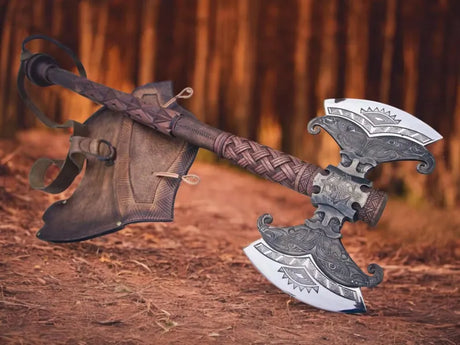
The air in the shield wall is thick with the smell of wet wool, iron, and adrenaline. Across the field, you see a warrior who stands a head taller than the rest. He isn't carrying a shield. Instead, both hands grip a massive wooden haft topped with a crescent-shaped blade that gleams like a hungry moon. This is a Huscarl, and his weapon—the Dane Axes—is the reason kingdoms fall.
For many history enthusiasts in the United States, the image of the Viking is inseparable from the axe. But while the small hand axe was a tool of the everyday farmer, the Dane Axes were the specialized "superweapons" of the late Viking Age. They were the precision instruments of shock troops, designed for one purpose: to shatter the unbreakable.
In this deep dive, we will explore the engineering, the terror, and the enduring legacy of the Dane Axes, moving beyond the myths to see why this two-handed powerhouse remains one of the most respected weapons in human history.
The Anatomy of the Dane Axes: A Masterclass in Metallurgy
To the untrained eye, Dane Axes look like heavy, cumbersome blocks of iron on sticks. In reality, they were as finely balanced as a surgeon’s scalpel.

The Anatomy of the Dane Axes: A Masterclass in Metallurgy
The Blade: Thin, Light, and Lethal
The most surprising thing about an authentic Dane Axes head is its weight. Archaeologists have found that while the "bit" (the cutting edge) could be up to 12 inches wide, the metal itself was often remarkably thin—sometimes only 2mm thick just behind the edge.
This design allowed the axe to be incredibly fast. A warrior didn't "lug" Dane Axes into a swing; they flicked them. By concentrating the force of a two-handed swing into a razor-thin edge, the weapon could shear through chainmail and bone with terrifying ease.
The Haft: The Engine of Leverage
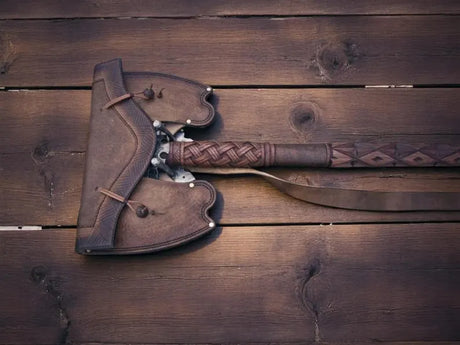
The handle of the Dane Axes usually measured between 4 and 6 feet in length. Usually crafted from ash or oak, the haft provided the leverage needed to generate massive kinetic energy. In the hands of a trained warrior, the axe became an extension of the body, capable of changing direction mid-swing to bypass a parry.
The Tactical Role: Why the Shield Was Cast Aside
In an era defined by the shield wall, choosing a two-handed weapon like the Dane Axes was a high-risk, high-reward strategy.
The Shield-Breaker
A vikings shield was designed to catch swords and spears. However, the sheer "bite" of Dane Axes could split a linden-wood shield in a single downward stroke. By removing the opponent's primary defense, the axe-bearer created an opening for the rest of the line to exploit.
Psychological Warfare
We cannot overlook the sheer terror these weapons inspired. Seeing a line of elite warriors stepping forward with Dane Axes was often enough to break the morale of less experienced levies. The Anglo-Saxon Chronicle and other contemporary sources often speak of the "Great Axe" as a weapon that no armor could withstand.
Statistical Breakdown: The Dane Axe vs. Contemporary Arms
To understand why elite guards—like the Varangian Guard in Constantinople—preferred Dane Axes, let's look at how they compared to other weapons of the period.
| Weapon Feature | Dane Axes | Viking King Sword | Spear |
| Reach | Long (4–6 ft) | Medium (3 ft) | Long (7–9 ft) |
| Weight | 2.5 – 4 lbs | 2 – 2.5 lbs | 1.5 – 3 lbs |
| Primary Power Source | Core & Shoulders | Wrist & Forearm | Thrusting Momentum |
| Armor Penetration | Exceptional | Moderate | High (Thrusting) |
| Defense Capability | Low (No shield) | High (With shield) | Moderate |
Data based on experimental archaeology and museum specimen averages.
The Huscarls: Masters of the Two-Handed Strike
In the United States, we often use the word "Viking" as a catch-all, but the Dane Axes were specifically the signature of the Huscarls—the professional household troops of Scandinavian and Anglo-Saxon kings.
- See more: Viking axes for sale
A Personal Anecdote: The Feel of the Swing
I remember the first time I held a high-quality reconstruction of a Dane Axes. Having practiced with smaller viking fighting axe replicas, I expected it to feel like a sledgehammer. Instead, it felt like a staff.
When you swing a hand axe, the weight is all in the wrist. When you swing Dane Axes, you feel the power coming from your feet, through your hips, and into the blade. It is a total-body experience. It makes you understand why a warrior would feel confident standing in the front rank with no shield—you feel like you can stop anything that comes near you.

The Huscarls: Masters of the Two-Handed Strike
Comparing the "Beard" and the "Moon": Subtle Variations
While the viking tomahawk axe and the "bearded" axe were common for utility and close-quarters combat, the Dane Axes (often called the Type L or Type M axe in the Petersen typology) evolved toward a symmetrical, fan-like shape.
- Type L: These featured a smaller, hooked edge, useful for catching the neck of a horse or the rim of a shield.
- Type M: The classic "Broad Axe." These had massive, sweeping edges that maximized the cutting surface, ensuring that even a glancing blow would cause significant damage.
If you are looking at a viking axe for sale today, it’s vital to know which "type" you are getting. A "Type M" is a pure battlefield weapon, while a bearded axe is a versatile tool.
Authenticity in the Modern Age: Gear and Identity
For those involved in historical reenactment or high-end collecting, the Dane Axes are part of a larger cultural puzzle. To truly represent the era, one must look beyond the blade.
The Full Kit
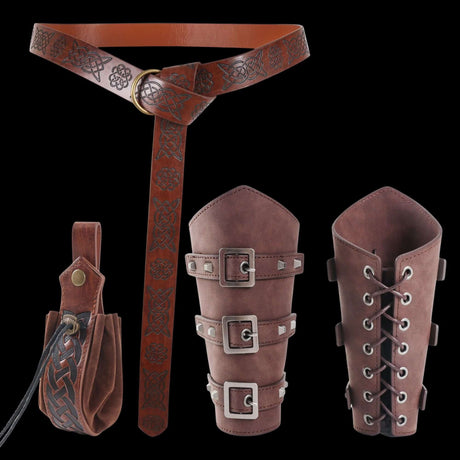
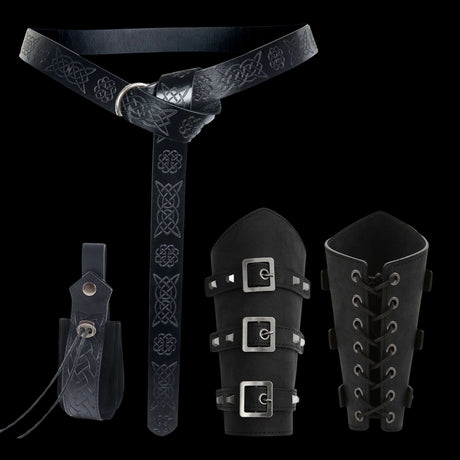
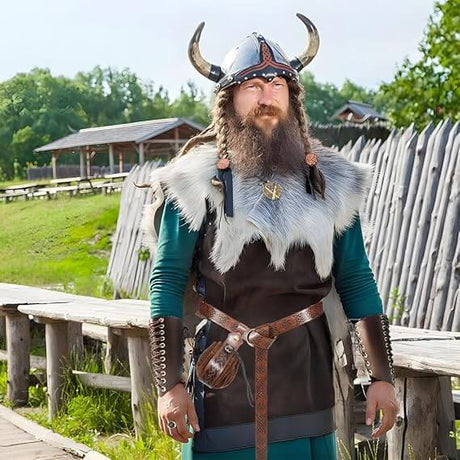
An elite warrior wielding Dane Axes wouldn't just wear a short tunic. They would likely be invested in:
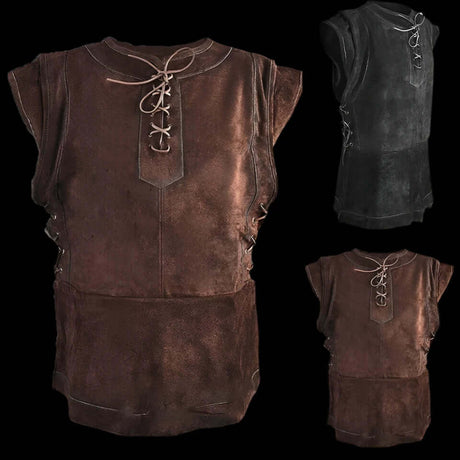
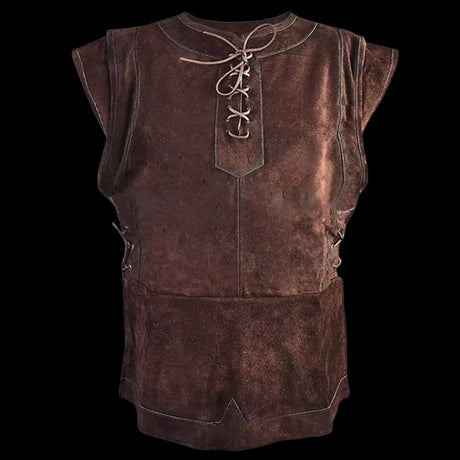
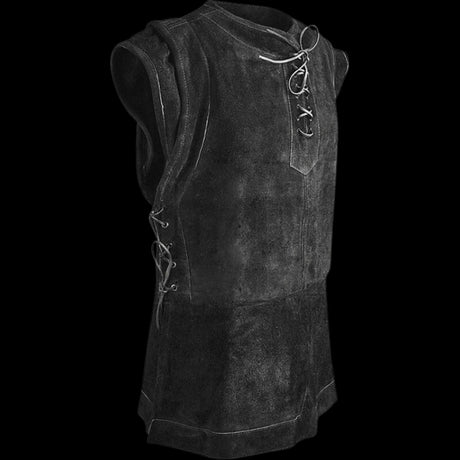
- Viking Female Armor: For the shield-maidens and warriors, high-quality leather or chainmail was essential when you lacked a shield.
- Authentic Viking Tattoos: Symbols of protection often adorned the arms that swung these massive weapons.
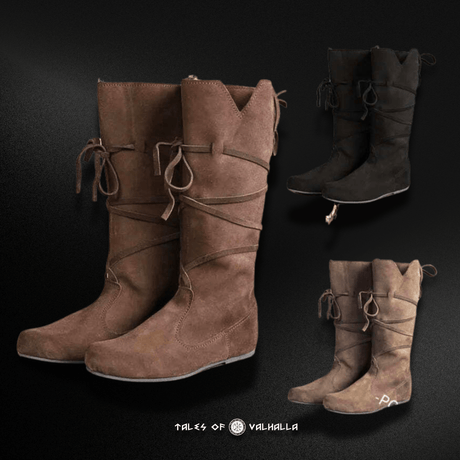
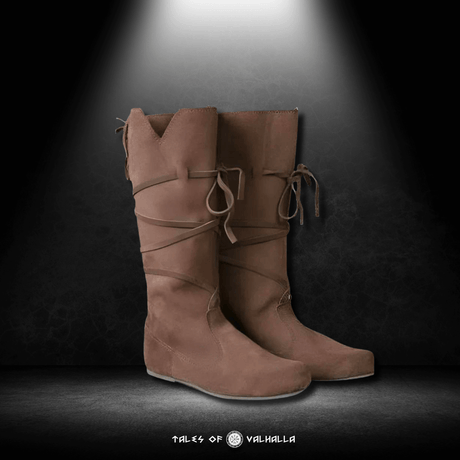
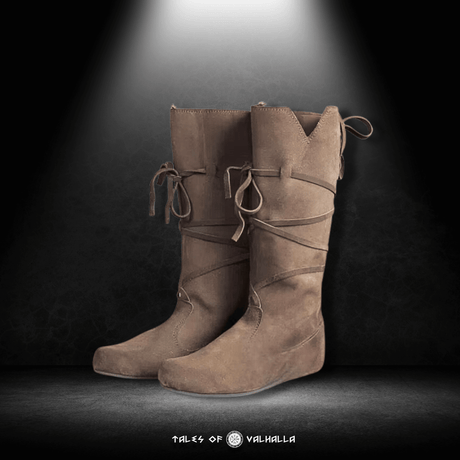
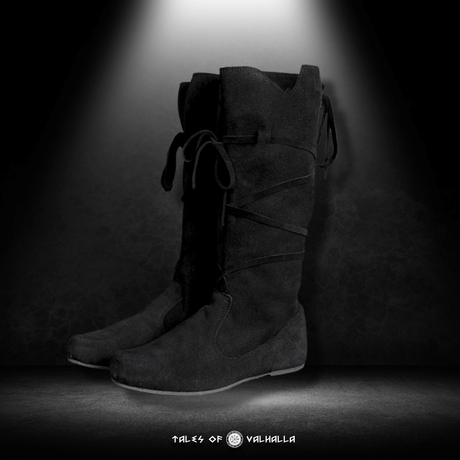
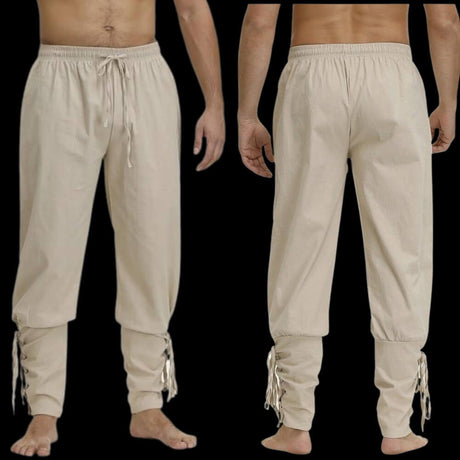
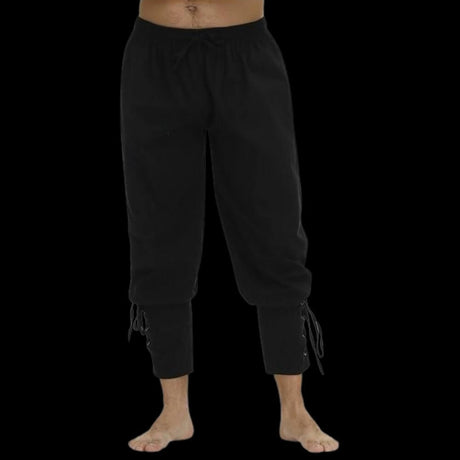
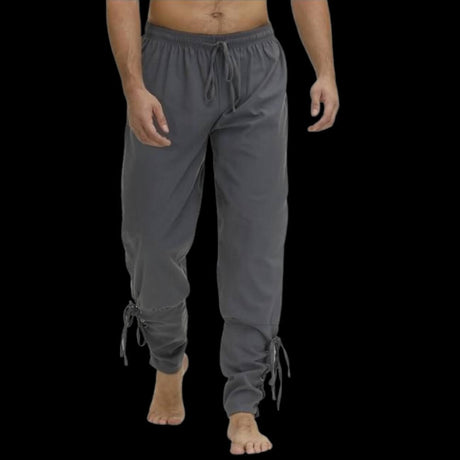
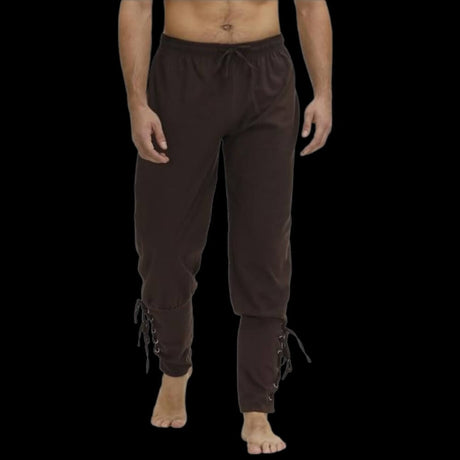
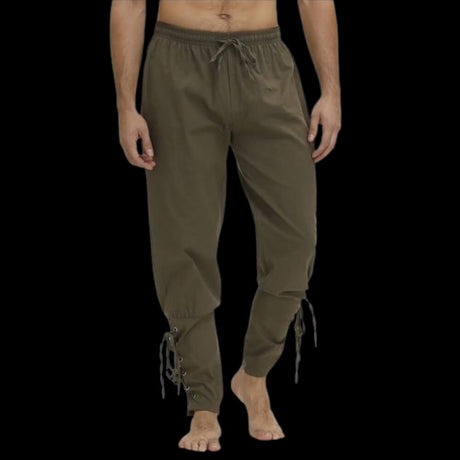
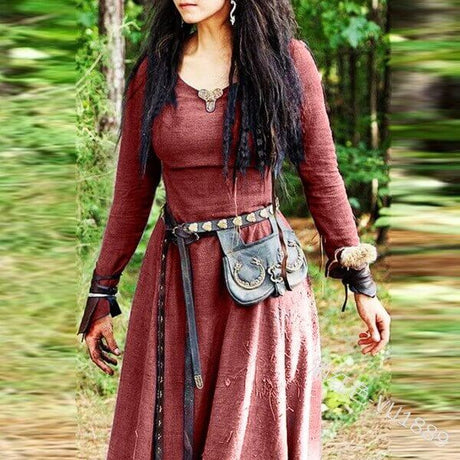
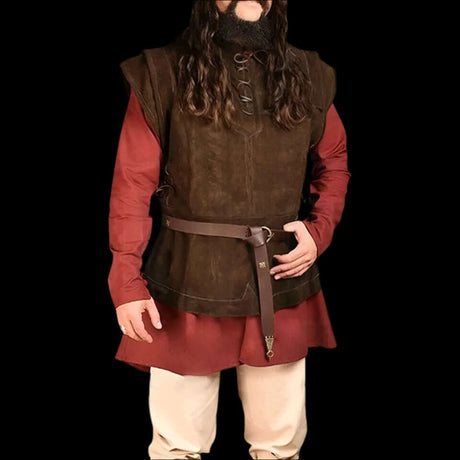
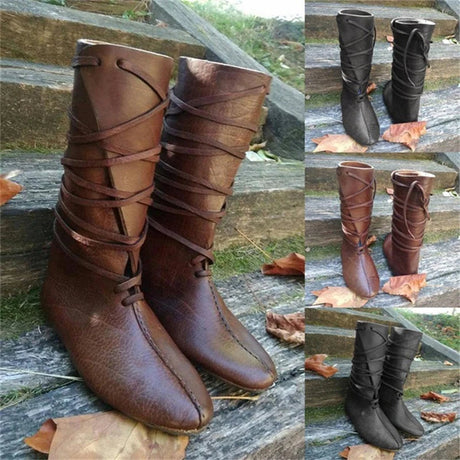
- Norse Clothing for Sale: Authentic wool wraps and linen undergarments provided the mobility needed for the wide-stepping stance of an axe-fighter.
The Market for Replicas
The search for fighting axes for sale can be daunting. In the United States, many "decorators" sell heavy, stainless steel versions that are dangerous to swing. An authentic Dane Axes replica should be made of tempered high-carbon steel and be light enough to maneuver with speed.
- See more: Viking axes for sale
Counter-Arguments: Was the Two-Handed Axe a Liability?
Critics of the Dane Axes often point to the Battle of Hastings (1066) as proof of the weapon's limitations. They argue that because the axe required two hands, the warrior was vulnerable to arrows and spears.
The Reality: The axe was never used in isolation. A Huscarl wielding Dane Axes worked in tandem with shield-bearers. The shield-men would "open" or "close" the wall like a curtain, allowing the axe-man to step forward, deliver a devastating blow, and retreat behind the wood. It was a sophisticated dance of heavy infantry.
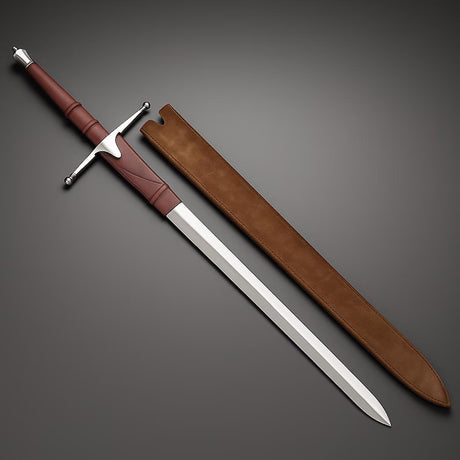
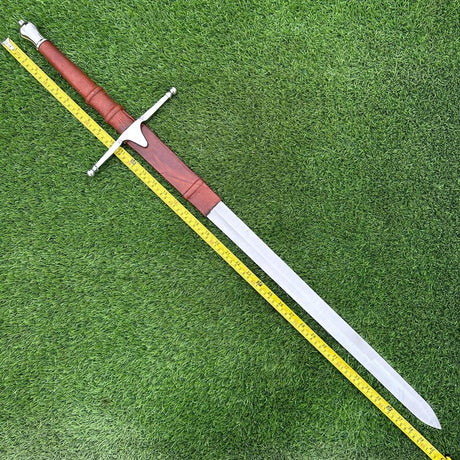
Furthermore, the viking sword and shield remained the standard for a reason: versatility. But when you needed to break a stalemate, you called for the Dane Axes.
The Cultural Shadow of the Dane Axe
The influence of these "great axes" didn't end with the Viking Age. They evolved into the medieval pollaxe and the halberd, weapons that would dominate European warfare for another 400 years. Even today, the "heavy hitter" archetype in modern gaming and cinema—from the ragnar axe to the weapons seen in God of War—owes its existence to the Norse broadaxe.
Why We Are Still Obsessed
Perhaps it’s the simplicity. In a world of complex technology, there is something honest about the Dane Axes. It is a weapon that rewards strength, timing, and absolute commitment. You cannot "half-swing" a two-handed axe; you have to be all-in.
Conclusion: The Echoes of the Great Axe
The Dane Axes were more than just iron and wood. They were the pinnacle of Viking-age combat technology—a response to the increasing use of heavy mail and organized shield walls. From the banks of the Thames to the walls of Constantinople, the rhythmic thud of these blades against wood and bone defined an era of transition.
Whether you are looking for viking shield for sale to start your collection, or you are searching for the perfect runic sword to hang on your wall, remember that the Dane Axes stood as the ultimate symbol of the professional Norse warrior. They represented a shift from the farmer-raider to the elite soldier.
As you explore the history of these incredible tools, you aren't just looking at weapons of war; you are looking at the craftsmanship of a people who refused to be ignored. These are the instruments that carved out empires and left behind the immortal tales of valhalla.
"Tales of Valhalla is an expert chronicler of the Viking Age, blending scholarly research with master storytelling to revive the Old North. From the hidden depths of Norse mythology to the tactical grit of the sagas, they provide authentic, rich insights into the warriors, leaders, and legends that forged history." - Specialist in Norse mythology and Viking history