If you have spent any time in front of a screen over the last decade, you likely recognize the silhouette: a weathered wooden handle, a hand-forged steel head, and the fierce grip of a man who would go from farmer to king. The Ragnar Axe has become a modern symbol of defiance and ambition. In the United States, fans of the Vikings television series have flocked to buy replicas, seeking to capture a piece of that gritty, North Atlantic spirit.
But as an enthusiast, you have to ask: Where does the television prop end and the archaeological truth begin? Was the Ragnar Axe a real historical artifact, or is it a masterpiece of Hollywood costume design?
Today, we are peeling back the layers of moss and myth. We will explore how the Ragnar Axe stacks up against the actual weapons wielded by the Norsemen who terrorized and settled the coastlines of Europe. This is a journey through the forge, the field, and the film set.
The Hollywood Icon: What Makes the Ragnar Axe Unique?
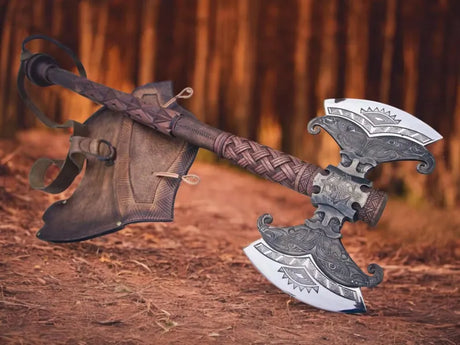
In the show, the Ragnar Axe is more than just a weapon; it is a character in its own right. It’s small, agile, and seemingly capable of doing everything from splitting a skull to carving a boat.

The Hollywood Icon: What Makes the Ragnar Axe Unique?
The Aesthetic of the Screen
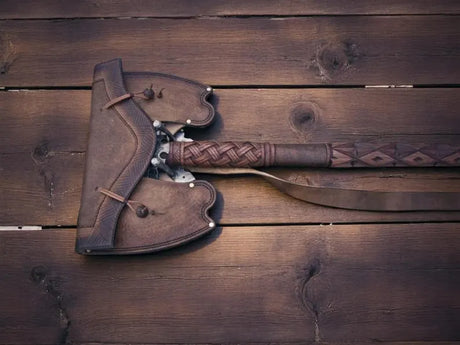
The Ragnar Axe seen on TV features a distinct "bearded" profile. This means the lower part of the axe head extends downward, creating a hooked shape. While this is historically grounded, the show adds a layer of ruggedness—weathered leather wraps and a dark, hammered finish—that screams "early medieval chic."
For the modern American viewer, the Ragnar Axe represents the ultimate underdog story. It isn't a flashy viking king sword or a gem-encrusted runic sword. It is a tool of the working man used to topple giants. This resonance is why "Ragnar-style" axes are now among the top-searched fighting axes for sale online.
The Historical Reality: What Did Ragnar Really Carry?
To understand the real Ragnar Axe, we have to look at the historical Ragnar Lothbrok. The problem? Most historians agree that Ragnar is a composite figure—a blend of several Viking leaders like Reginherus and King Horik I.
The "Skeggøx" or Bearded Axe
If a real Ragnar existed in the 9th century, his Ragnar Axe would have been a Skeggøx. Archaeological finds across Scandinavia show that these were the "everyday" weapons of the Norse. Unlike the TV prop, which often looks heavy, a real viking fighting axe was incredibly light.
"The true Viking axe was a miracle of efficiency. It was often as thin as a modern kitchen knife behind the edge, designed to be lightning-fast in a shield wall." — Dr. Kim Hjardar, Historian and Author.
Weaponry Statistics: TV vs. Archaeology
Let's look at how the Ragnar Axe portrayed on screen compares to the physical evidence found in burial mounds.
| Feature | Ragnar Axe (TV Version) | Historical Viking Fighting Axe |
| Blade Thickness | Often thick and heavy | Thin (2mm to 5mm) |
| Material | Modern Carbon/Stainless Steel | Layered Iron with Steel Edge |
| Handle Length | 20–24 inches (One-handed) | 24–30 inches (Standard Hand Axe) |
| Primary Use | High-speed combat/Stunts | Wood-cutting and Combat |
| Weight | Approx 2.5 - 3 lbs | Approx 1.2 - 1.8 lbs |
Why the "Tomahawk" Look Resonates in the United States
There is a reason the Ragnar Axe feels familiar to American fans. Its profile is remarkably similar to the viking tomahawk axe used in early American history.

Ragnar Axe
A Shared Practicality
When I first picked up a functional Ragnar Axe replica, I was struck by its balance. It felt less like a medieval weapon and more like a high-end camping tool. In the U.S., our history is steeped in the frontier spirit—the idea that one tool can build a cabin and defend a home. The Ragnar Axe taps directly into that "mountain man" DNA.
Whether you are looking for vikings throwing axes for a local league or a display piece, the compact nature of this design makes it incredibly accessible. It’s a weapon you can imagine yourself using, which is a powerful marketing tool for anyone looking for a viking axe for sale.
The "Beard": Hooking Shields and Breaking Bones
One thing the show got absolutely right is the tactical advantage of the bearded design. In many scenes, we see Ragnar use the hook of his axe to pull down an opponent’s vikings shield.

The "Beard": Hooking Shields and Breaking Bones
The Anatomy of a Hook
In a real combat scenario, the "beard" allowed a warrior to:
-
Catch Limbs: Hooking an ankle or a neck to pull an enemy off balance.
-
Protect the Hand: The beard allows you to grip the handle directly behind the head for fine carving or "punching" in close quarters.
-
Conserve Steel: You get a long cutting edge without the weight of a full rectangular head.
If you are browsing fighting axes for sale, always check the "depth" of the beard. A deep hook is great for historical reenactment, but if you want something for wood splitting, a shorter beard is more durable.
- See more: New Legendary Ragnar Axe
Beyond the Axe: Ragnar’s Full Kit
While the Ragnar Axe is the star, the show’s success in the U.S. sparked a massive interest in the entire Norse aesthetic. Authenticity isn't just about the blade; it's about the identity.
The Role of the Shield
You rarely see the axe without its partner: the vikings shield. In reality, carrying an axe without a shield was a death sentence in the 9th century. If you are looking for a viking shield for sale, ensure it is made of plywood or solid planks with a steel boss—the viking sword and shield combo was the gold standard for survival.
Clothing and Armor
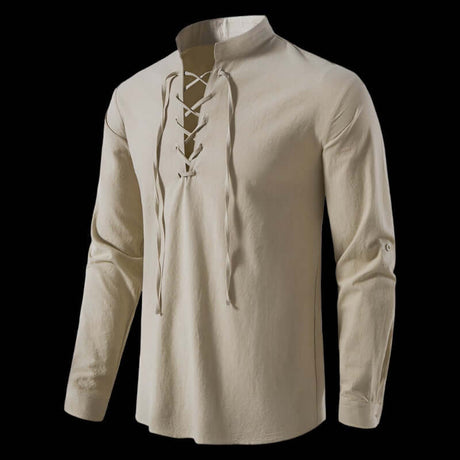
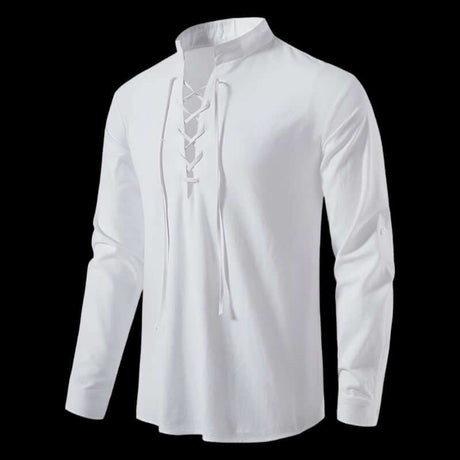
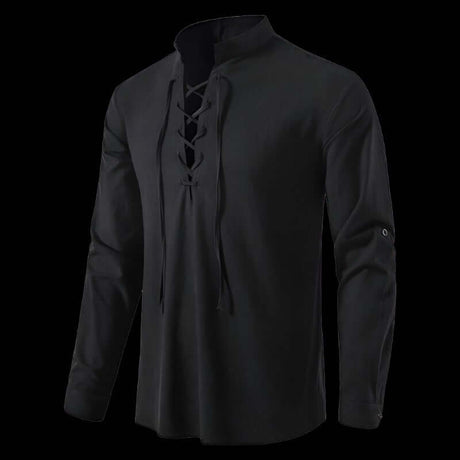
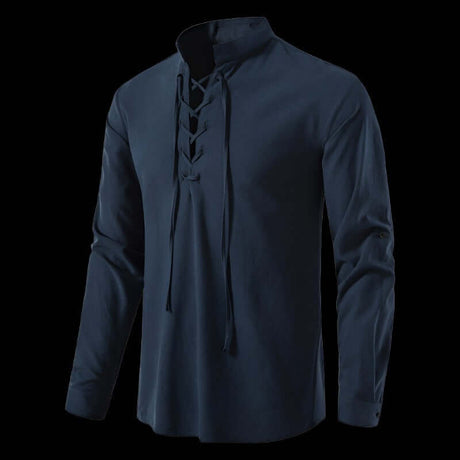
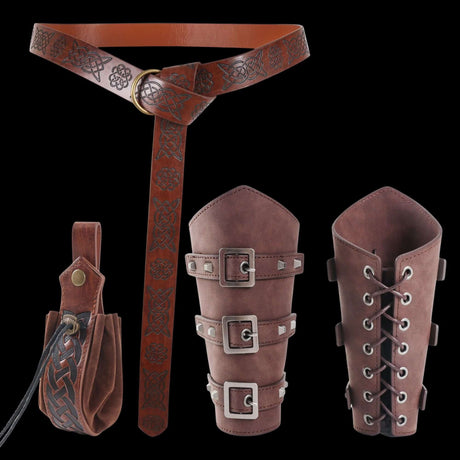
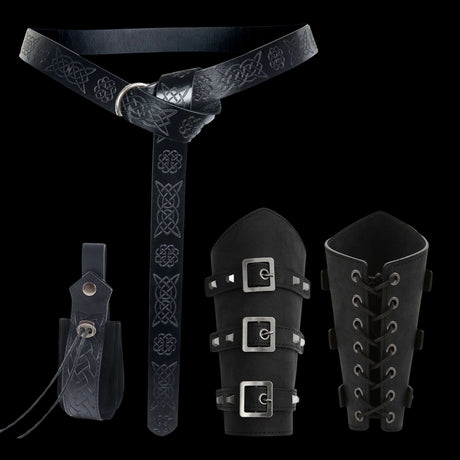
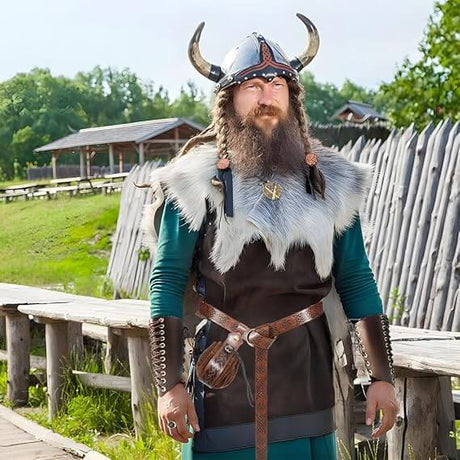
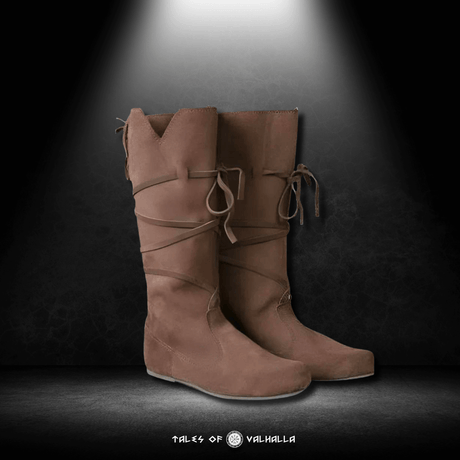
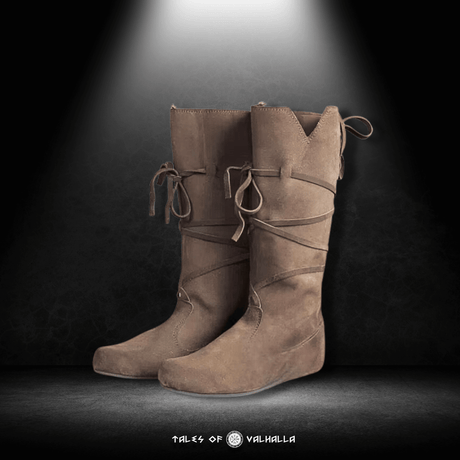
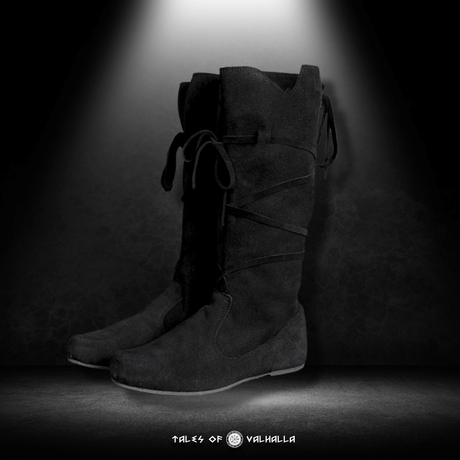
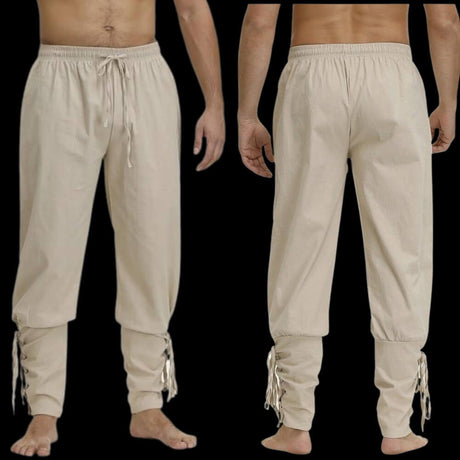
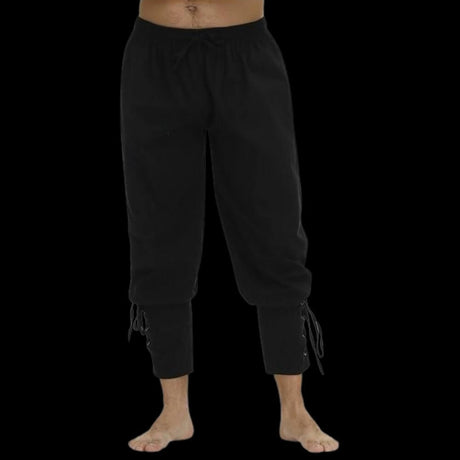
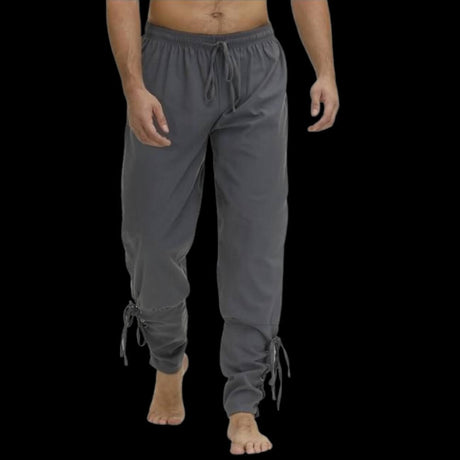
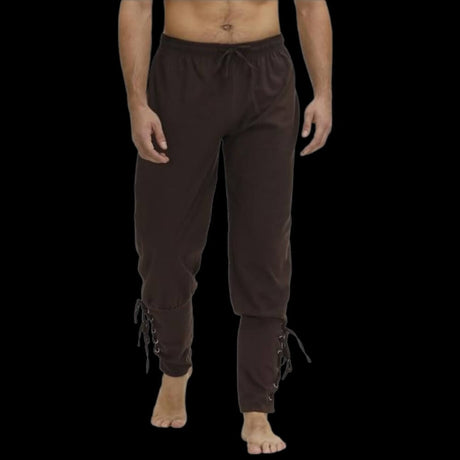
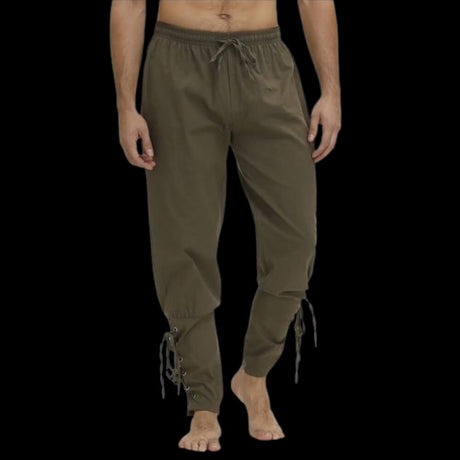
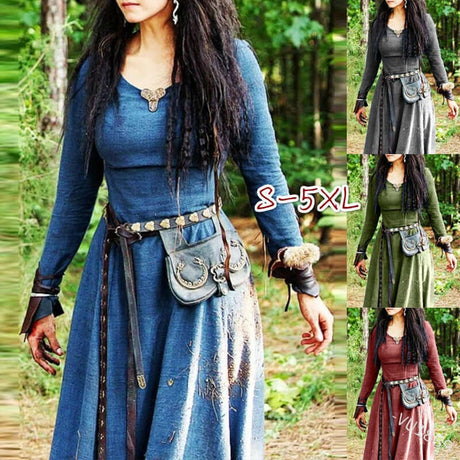
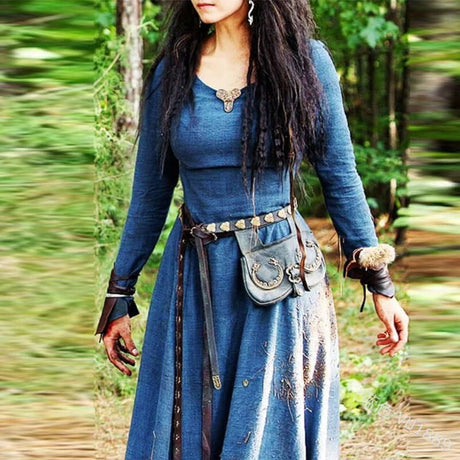
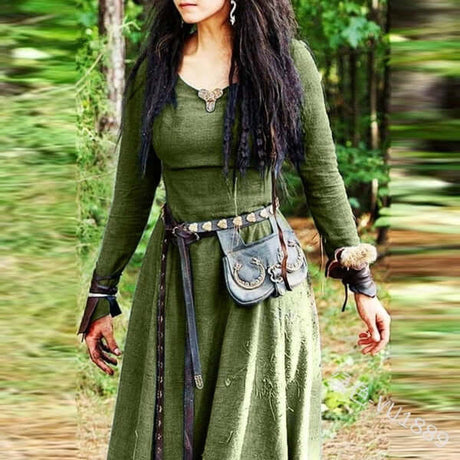
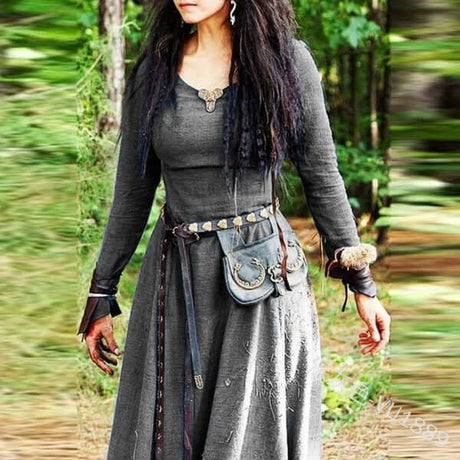
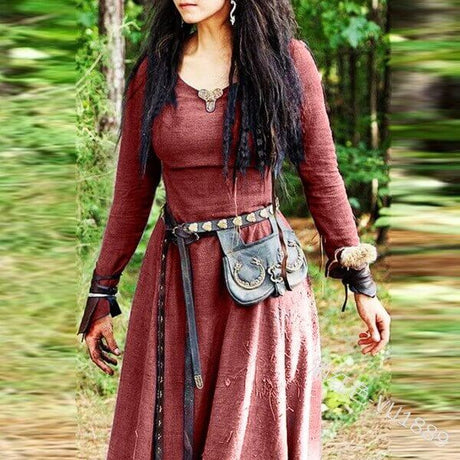
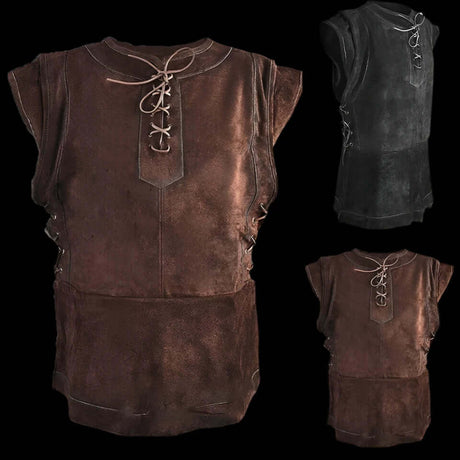
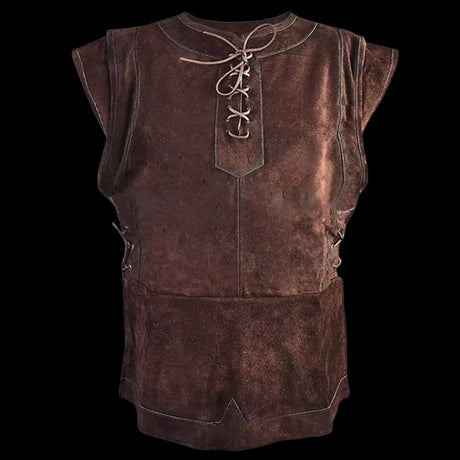
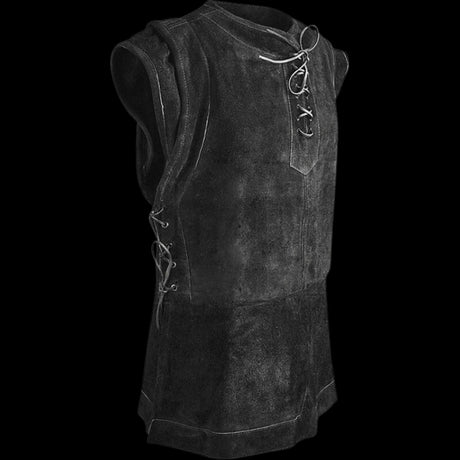
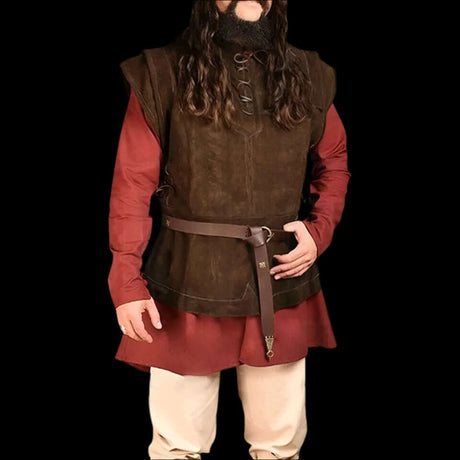
The show often depicts warriors in heavy leather biker-style gear. Historically, Ragnar would have worn a short tunic made of wool and linen.
- For women, an authentic viking woman costume would include an apron dress and brooches.
- Those seeking viking female armor would find that historical evidence points toward mail shirts (byrnies) rather than the molded leather seen on screen.
- The rise of norse clothing for sale in American markets shows that fans want the "look" of the show, even if the history is a bit more colorful.
The Myth of the Runic Sword
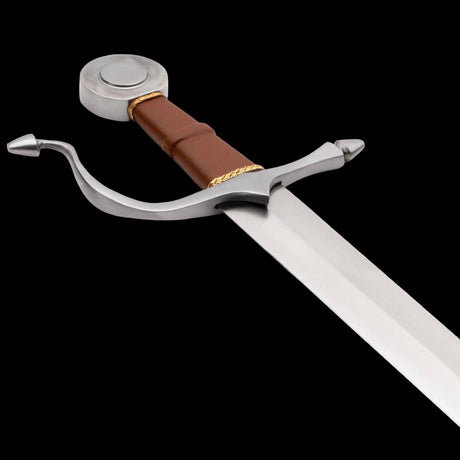
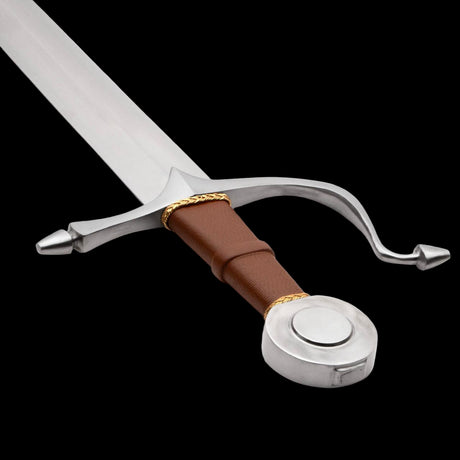
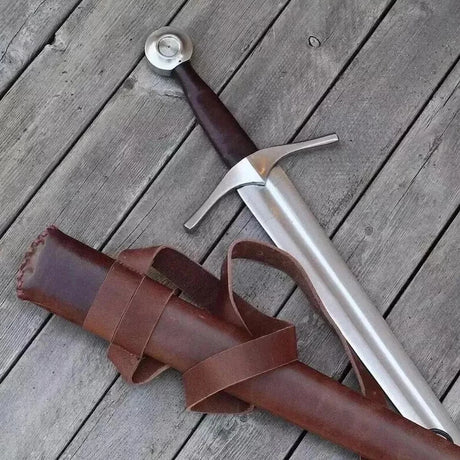
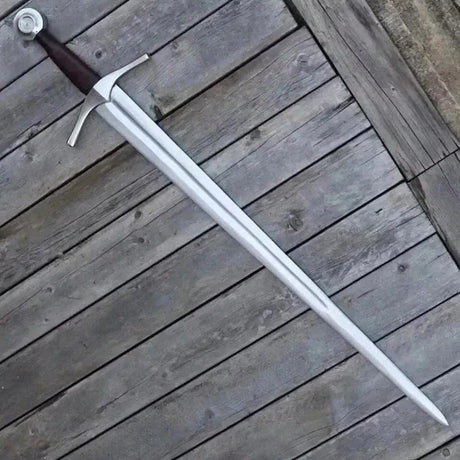
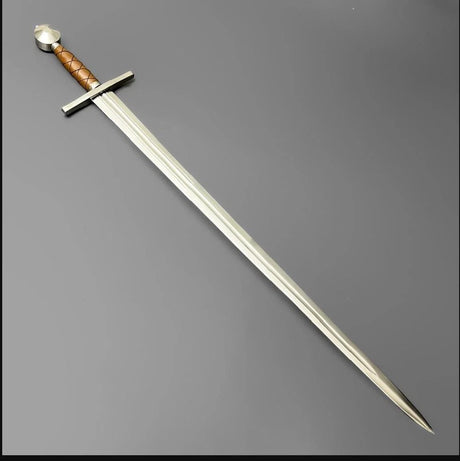
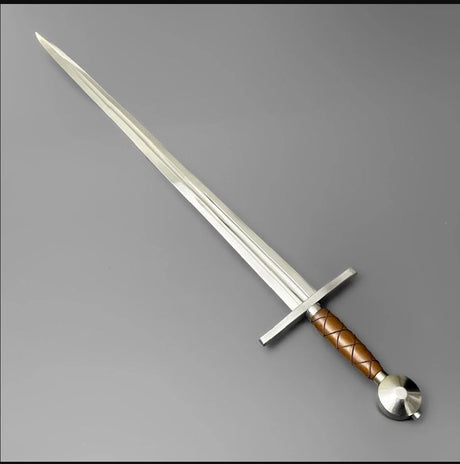
As Ragnar rises in status, the weapons around him become more ornate. We start to see the viking king sword and weapons that look like a runic sword.
In the show, these are treated as magical or holy objects. In history, runes were often inscribed on blades, but they weren't necessarily "enchantments." They were marks of ownership or prayers for the steel to hold true. If you are buying a runic sword today, you are buying a piece of spiritual history, reflecting the Norse belief that every weapon has a soul.
Counter-Argument: Is "Hollywood History" a Bad Thing?
Purists often complain that the Ragnar Axe and the show’s costumes are inaccurate. They point out the lack of helmets and the abundance of authentic viking tattoos that look a bit too modern.
The Nuance: However, without the Vikings show, would the United States have such a thriving community of blacksmiths, historical fencers, and reenactors?
- Visibility: The show brought Norse culture out of the "boring history book" and into the living room.
- Innovation: The demand for a ragnar axe has pushed modern smiths to study historical forging techniques to create better, more durable replicas.
- Community: It has brought people together to discuss the difference between the Dane axes of the elite and the hand axes of the commoner.
Looking to the Future: The Legacy of Ragnar’s Steel
The Ragnar Axe has transcended its status as a television prop. It has become a symbol of the "Modern Viking" movement in the United States—a blend of historical appreciation, outdoor survivalism, and personal strength.
What to Look for When Buying
If you are searching for a viking axe for sale inspired by the show, keep these points in mind:
- Balance over Beauty: A pretty axe that is head-heavy will hurt your wrist. Look for a balanced haft.
- Tang and Hafting: Ensure the head is properly wedged. A loose axe head is a projectile waiting to happen.
- The Steel: High-carbon steel is a must if you plan on actually using it.
The Conclusion of the Legend
The Ragnar Axe may be a product of 21st-century storytelling, but its roots are buried deep in the frozen soil of the Viking Age. It represents the bridge between who the Norsemen actually were—practical, resourceful farmers—and who we want them to be—unstoppable, legendary warriors.
Whether you are decorating your home with a viking shield for sale, donning an authentic viking woman costume for a festival, or practicing your swing with vikings throwing axes, you are participating in a living history.
We may never know exactly what the "real" Ragnar carried, but we know the impact his legacy has left. The axe remains the ultimate tool of the North, a sharp reminder of a time when fate was carved by hand and heart. In the end, these blades do more than just cut; they carry the spirit of an era, whispering the eternal tales of valhalla.
"Tales of Valhalla is an expert chronicler of the Viking Age, blending scholarly research with master storytelling to revive the Old North. From the hidden depths of Norse mythology to the tactical grit of the sagas, they provide authentic, rich insights into the warriors, leaders, and legends that forged history." - Specialist in Norse mythology and Viking history