Long before the gods constructed the high towers of Asgard, and long before human feet walked the soil of Midgard, the universe existed as a silent, vast, and empty void known as Ginnungagap. This primeval abyss split the cosmos between two radical extremes of nature. To the far north lay Niflheim, a world dominated by bone-chilling ice, toxic mist, and absolute frost. Directly opposite it, stretched across the southern expanse of the cosmos, burned Muspelheim, a blazing realm of absolute heat, rushing magma, and eternal flame.


The interaction between these two elemental worlds stands among the most fascinating creation myths in human history. The intense heat radiating from Muspelheim drifted into the central void, where it met the icy breath of Niflheim. As the warm air melted the ancient frost, life sparked into existence within the drops of moisture. From this elemental collision arose Ymir, the first primeval giant, alongside Auðumbla, the sacred cow whose milk nourished him.
Without the violent, unrelenting thermal power of Muspelheim, the Norse cosmos would have remained a frozen, silent graveyard. Yet, this primordial realm holds a profound paradox. While its intense fire acted as the catalyst for creation, it is also the very force destined to incinerate the universe when the end of time arrives.
The Geography and Elemental Nature of Muspelheim
To understand the structure of the Nine Realms, one must realize that Muspelheim is not merely a place of geographic landmasses, but a realm of unadulterated elemental energy. Old Norse texts describe it as an uninhabitable landscape where liquid rock flows like rivers, black ash blankets the skies, and intense thermal heat radiates across endless plains.
Muspelheim
Unlike Midgard with its gentle seasons or Alfheim with its glowing light, Muspelheim rejects cold, dark, and stillness entirely. It is a world in constant motion, driven by intense thermal combustion. Standard mortals, spirits, and even the Aesir gods cannot walk across its surface without being reduced to ash instantly. Only creatures forged from fire, such as the fire giants and elemental spirits, can survive inside its borders.
| Cosmic Realm | Elemental Focus | Environmental Characteristics | Universal Role |
| Muspelheim | Pure Fire & Heat | Volcanic plains, rivers of magma, glowing embers | Initiates creation; drives the final apocalypse |
| Niflheim | Pure Ice & Cold | Frozen rivers, glacial walls, dense toxic fog | Provides physical form, structure, and stillness |
| Ginnungagap | Primeval Void | Dark space separating heat and frost | The birthplace where life first ignited |
The ancient text Prose Edda, written by medieval Icelandic scholar Snorri Sturluson, details how the gods utilized the raw resources of Muspelheim after shaping the earth from Ymir's body. Odin and his brothers gathered the stray sparks and glowing embers floating out of Muspelheim and flung them high into the dark sky. These fiery particles became the sun, the moon, and the glittering constellations that govern time, navigation, and seasons.
                   +-----------------------------+
                   |   Muspelheim's Hot Air      |
                   +--------------+--------------+
                                  |
                                  v
                   +-----------------------------+
                   |  Meets Niflheim's Cold Ice   |
                   |   Inside Ginnungagap Void   |
                   +--------------+--------------+
                                  |
                                  v
                   +-----------------------------+
                   |   Drops Melt to Form Ymir   |
                   |     and First Creation      |
                   +--------------+--------------+
                                  |
                                  v
                   +-----------------------------+
                   | Sparks Thrown into Sky Form |
                   |  Sun, Moon, and Constellations
                   +-----------------------------+
Academic and Mythological Perspectives on Cosmic Dualism
Scholars of Scandinavian history and folklore frequently study the mythic structure of Muspelheim to understand how ancient Nordic cultures viewed their environment. Dr. Jackson Crawford, a leading scholar in Old Norse language and mythology, emphasizes that Norse religion does not rely on a moral dualism of absolute good versus absolute evil. Instead, it operates on a balance of destructive and generative physical forces.
Fire was a necessity for survival in medieval Scandinavia. It provided cooking heat, forged iron weapons, and kept families alive during brutal winters. However, uncontrolled fire could burn down entire settlements in minutes. The dual nature of Muspelheim perfectly mirrors this daily human reality.
| Scholarly Perspective | Main Premise | Cultural Connection |
| Environmental Determinism | Volcanic eruptions and glaciers inspired the landscape of myth | Reflects real-world Icelandic geology like volcanoes beneath glaciers |
| Thermodynamic Balance | Life requires the spark of movement (fire) and solid structure (ice) | Explains the physical origin of living organisms in myth |
| Eschatological Cycle | Destruction by fire cleanses the world to allow new growth | Represents natural agricultural and seasonal regeneration cycles |
Surtr: The Ancient Guardian of the Blazing Frontier
At the outermost border of Muspelheim sits Surtr, one of the most powerful and terrifying entities in all of Norse myth. His name translates roughly to "the Swarthy One" or "the Black," likely referring to the charred appearance of ash and soot.
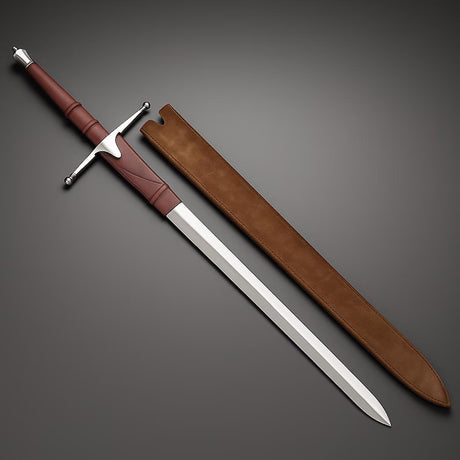
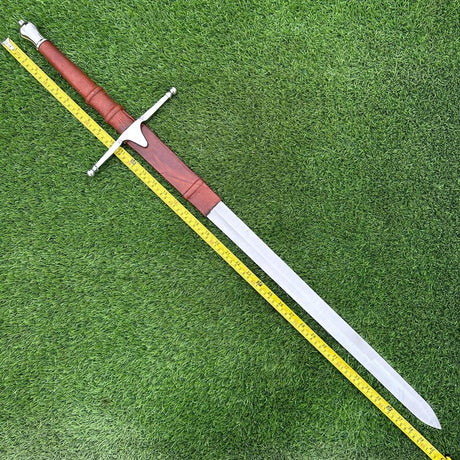
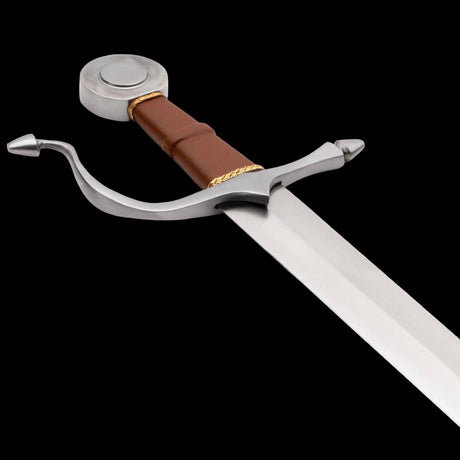
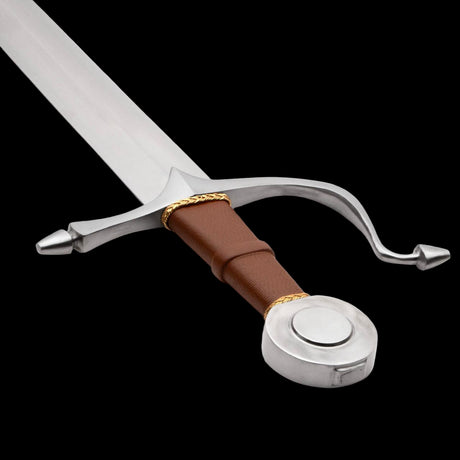
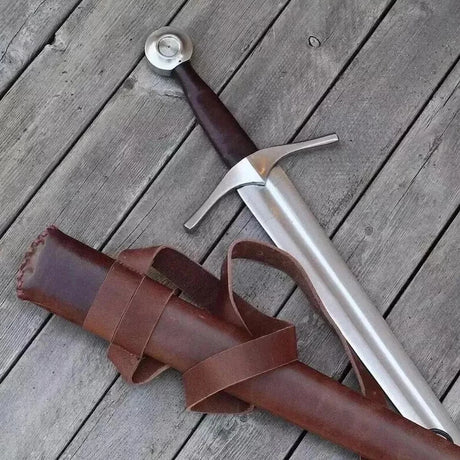
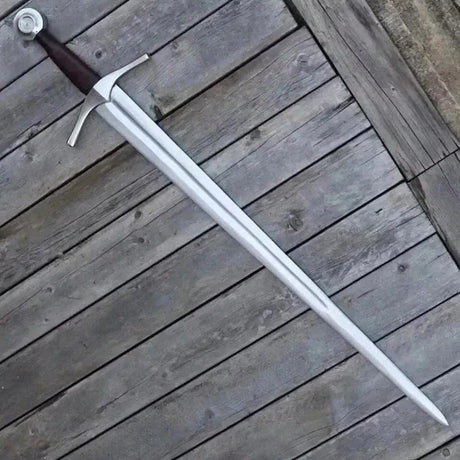
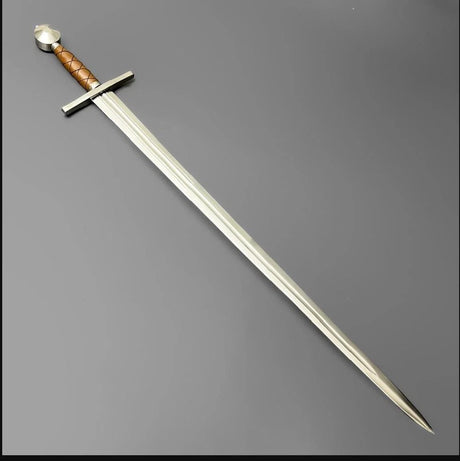
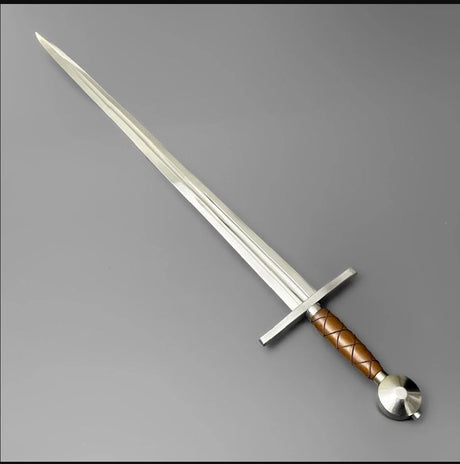
Surtr is not a typical giant who engages in small squabbles with the gods. He is an ancient force of nature who predates the Aesir gods themselves. Armed with a massive sword that burns brighter than the summer sun, Surtr sits at the perimeter of Muspelheim, watching over the flames and waiting for his destined moment to strike.
Key Aspects of Surtr's Character and Power
-
The Unyielding Sentinel: Surtr remains seated at the edge of Muspelheim, keeping watch over his realm until the trumpets of Ragnarok sound across the world.
-
The Sun-Bright Blade: His sword is forged from the pure primordial energy of Muspelheim, capable of cutting through cosmic flesh, stone, and magic.
-
Commander of the Fire Horde: Surtr commands the Eldjötnar, a legion of fire giants and fiery spirits often referred to in ancient texts as the Sons of Muspell.
Unlike Loki, who acts through trickery and scheme, Surtr acts with absolute, unstoppable intent. He represents the inevitable breakdown of order into thermal chaos.
- See more: Midgard
The Apocalyptic March: Muspelheim's Role in Ragnarok
The true horror and magnitude of Muspelheim comes to the foreground during Ragnarok, the apocalyptic twilight of the gods. When the great winter Fimbulwinter freezes the earth, and the cosmic wolf Fenrir breaks his iron chains, the physical fabric of the cosmos begins to fall apart.
The Apocalyptic March
During these final moments, the skies over the southern sky will rip open, exposing the intense furnace of Muspelheim directly to the rest of the Nine Realms.
             +---------------------------------------+
             |  Ragnarok Begins: Sky Splits Open     |
             +-------------------+-------------------+
                                 |
                                 v
             +---------------------------------------+
             |   Surtr & Sons of Muspell March Out   |
             +-------------------+-------------------+
                                 |
                                 v
             +---------------------------------------+
             |   Bifrost Rainbow Bridge Shatters    |
             |     Under Heavy Fiery Footsteps       |
             +-------------------+-------------------+
                                 |
                                 v
             +---------------------------------------+
             |  Battle on Vigrid Plain: Surtr Slays  |
             |     Freyr and Engulfs All in Fire     |
             +---------------------------------------+
Surtr will lead his fiery army out from Muspelheim across Bifrost, the shimmering rainbow bridge that connects Midgard to Asgard. As the fire giants march over its delicate structure, the bridge will shatter into pieces under their intense weight and heat.
The Duel on the Plain of Vigrid
The army of Muspelheim will ride onto the vast battlefield of Vigrid, a plain stretching one hundred leagues in every direction. There, the gods will assemble for their final stand.
-
Freyr's Fatal Disadvantage: The god Freyr will step forward to face Surtr. However, Freyr previously gave away his magical, self-fighting sword to win the hand of the giantess Gerðr. Left with only an antler as a weapon, Freyr fights valiantly but cannot withstand the burning blade of the lord of Muspelheim.
-
The Cosmic Inferno: After striking down Freyr, Surtr will fling fire across all four corners of the universe. The branches of the world tree Yggdrasil will catch flame, cities will melt, and the earth will sink beneath the boiling oceans.
Real-World Inspirations: Icelandic Geology and Volcanic Myths
When examining the origins of Muspelheim, historians frequently turn to the unique geography of Iceland, where the early Norse storytellers settled. Iceland is one of the few places on Earth where glaciers sit directly on top of active volcanoes.
                      +-------------------+
                      | Real-World Basis  |
                      |  for Muspelheim   |
                      +---------+---------+
                                |
        +-----------------------+-----------------------+
        |                                               |
        v                                               v
+---------------+                               +---------------+
| Volcanic Fiery|                               | Glacial Ice & |
| Eruptions     |                               | Sub-Glacial   |
| (Katla/Hekla) |                               | Melting       |
+---------------+                               +---------------+
Eruptions from volcanoes like Hekla or Katla sent massive clouds of ash into the sky, while lava streams melted ice caps, causing terrifying glacial floods known as jökulhlaups. To a medieval farmer, seeing liquid fire burst through ice was physical proof that the forces of Muspelheim and Niflheim were actively shaping the physical world.
Muspelheim in Modern Pop Culture
The powerful imagery of Muspelheim continues to capture human imagination across modern literature, gaming, and cinema.
| Media Category | Specific Example | Depiction of Muspelheim |
| Comic Books & Movies | Marvel's Thor: Ragnarok | Depicted as a dark, fiery underworld ruled by Surtr |
| Video Games | God of War (2018 / Ragnarök) | Features Muspelheim as a realm of trial challenges and lava hazards |
| Fantasy Literature | Various Modern Fantasy Novels | Serves as the archetype for subterranean fire realms and volcanic worlds |
Modern audiences remain fascinated by Muspelheim because it embodies humanity's timeless respect for the raw power of nature.
Conclusion
The myth of Muspelheim remains one of the most compelling narratives in ancient cosmology. It serves as a reminder that creation and destruction are two sides of the same coin. The same fierce embers from Muspelheim that formed the sun and sparked life into Ymir will one day burn away the old world to make room for a green, renewed earth.
Understanding these ancient mythic cycles allows us to appreciate how early human societies processed the mysteries of their changing climate and environment. For those eager to delve deeper into these epic sagas, legendary sagas, and mythic adventures, turn your attention to the captivating tales of valhalla to discover more about the gods, monsters, and heroes of the Nordic world.