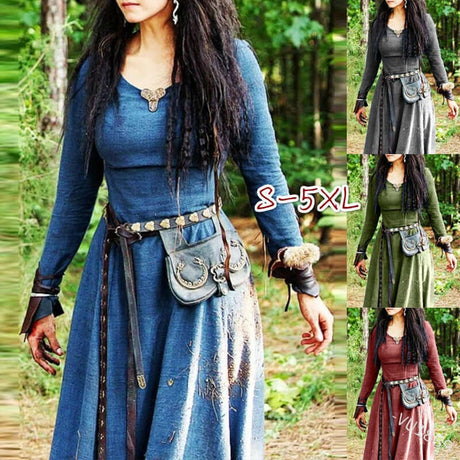
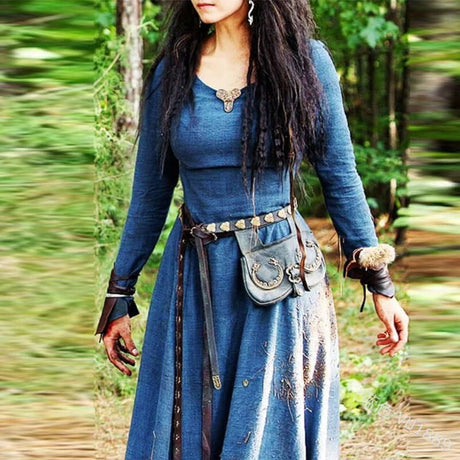
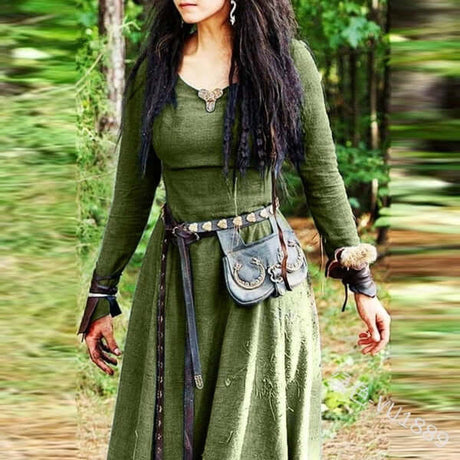
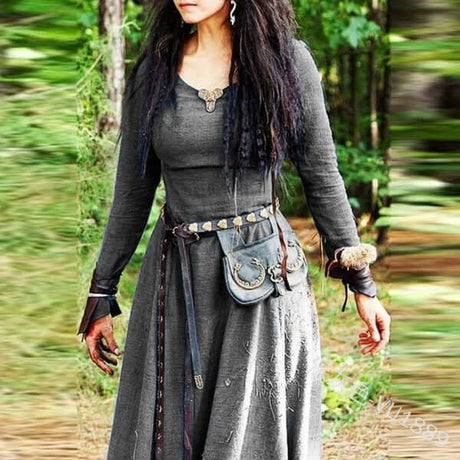
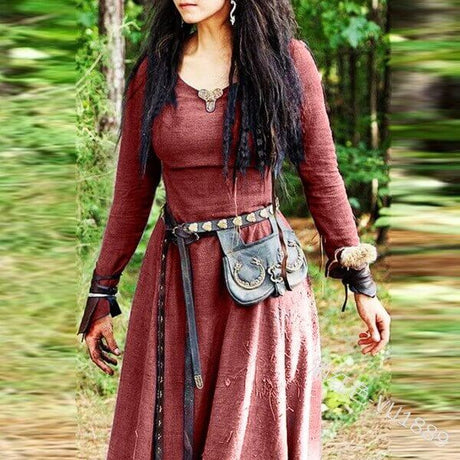
Imagine walking into a Viking Age festival or a high-stakes reenactment event. The air smells of woodsmoke and roasting meat. You see a sea of linen and wool, but something catches your eye. It is a woman whose outfit doesn’t just look like a "costume"—it looks like a character. Every piece, from the hem of her under-dress to the specific tilt of her tortoise brooches, tells a story of status, geography, and personal history.
In the United States, the community surrounding Norse history is growing rapidly. However, many enthusiasts struggle with the transition from "store-bought ensemble" to a "coordinated historical look." Coordinating Viking Women Costumes is an art form that balances color theory, textile science, and archaeological evidence.
Whether you are preparing for a Renaissance Faire in Pennsylvania or a deep-immersion event in the Pacific Northwest, this guide will help you move beyond the "out of the box" look and into a curated, authentic Norse aesthetic that actually makes sense.
Understanding the "Viking Silhouette"
Before we talk about accessories, we have to understand the foundational shape of Viking Women Costumes. Unlike the cinched waists of the Victorian era or the structured bodices of the later Middle Ages, the Viking silhouette was tubular and layered.

Understanding the "Viking Silhouette"
The Power of the Three-Layer System
Authenticity begins with how you stack your fabrics. A coordinated look is built from the inside out:
- The Serk (The Base): A long-sleeved linen shift. This should be your lightest layer, often in natural cream or white.
- The Smokkr (The Apron Dress): This is the "face" of your outfit. Usually made of wool, it is a tube held by straps.
- The Kaftan or Cloak (The Outer): For chilly American autumns, a wool kaftan (an open-front coat) or a rectangular cloak provides the necessary volume and warmth.
By focusing on these layers, you create a look that has "visual weight." Cheap Viking Women Costumes often fail because they try to combine these three layers into a single, thin polyester garment. Real coordination requires the physical separation of these pieces.
Coordination by Region: Choosing Your "Home"
One of the best ways to coordinate Viking Women Costumes is to pick a specific archaeological site to emulate. The Vikings were not a monolith; a woman in Birka (Sweden) dressed differently than a woman in Dublin (Ireland).
| Region | Primary Style Trait | Signature Accessory | Best Color Palette |
| Birka (Sweden) | High Luxury / Oriental Influence | Silk trimmings and silver thread | Deep Blues and Silvers |
| Hedeby (Denmark) | Practicality / Heavy Wool | Simple, sturdy tortoise brooches | Earthy Browns and Madder Reds |
| York (England) | Trade-focused / Fusion | Capped hoods and Anglo-Saxon pins | Forest Greens and Mustard Yellows |
| Dublin (Ireland) | Celtic Infusion | Ring-headed pins and fine linen | Bright Teals and Rich Oranges |
By choosing a region, your coordination happens naturally. You wouldn't wear a Swedish silver-thread headband with a rustic Irish-style linen cloak. Selecting a "geographic home" for your outfit gives it instant credibility.
The Art of Color Coordination
In the modern United States, we are used to "matching" our clothes—black shoes with a black belt, for instance. The Norse had a different eye for coordination. They loved contrast.
Complementary vs. Monochromatic
If you want your Viking Women Costumes to pop, avoid making everything the same color. A madder-red apron dress looks stunning against a forest-green under-dress. This "complementary" approach was very common in the Viking Age because different dyes were processed at different times.
However, if you are portraying a wealthy woman, you might opt for a "monochromatic" blue look. Because blue dye (woad) was expensive and required multiple "dips," wearing several shades of blue signaled that your family had immense resources.
The "Folk-Art" Finish
Coordination also involves "trim." Tablet-woven bands are the secret weapon of Viking Women Costumes. These are hand-woven ribbons used to edge the tops of apron dresses or the cuffs of sleeves. When coordinating, try to find a trim that incorporates the colors of both your under-dress and your apron dress. This acts as a visual "bridge," tying the two layers together.
Hardware Coordination: Brooches and Chains
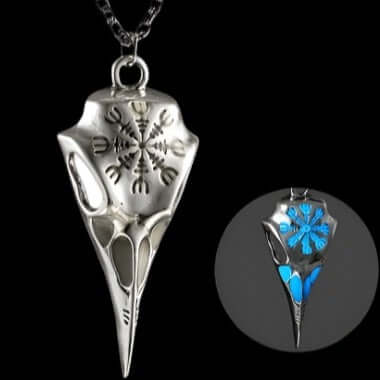
Your jewelry is the "connective tissue" of your outfit. For women, the focal point is always the chest.
The Tortoise Brooch Rule
Your oval brooches should be a matched pair. They don't just hold your straps; they provide the anchors for your "festoon"—the strands of beads that hang between them.
To coordinate your beads:
- For a Wealthy Look: Use glass beads imported from the East, interspersed with amber and silver spacers.
- For a Practical Look: Use clay or wooden beads with bone pendants.
Expert Insight: "Coordination isn't about being 'matchy-matchy.' It’s about balance. If you have very busy, patterned trim on your dress, keep your beadwork simple. If your dress is a solid, dark color, let your jewelry be the star with bright glass and shining bronze." — K. Hrafnsson, Historical Consultant
Addressing the "Warrior" Coordination
Many women in the US want to coordinate a "Shield-Maiden" look. This requires a shift in how you think about Viking Women Costumes.
Practicality in Motion
A warrior-coordinated look should focus on mobility.
- The Hems: Your apron dress should be slightly shorter (mid-calf) to prevent tripping during movement.
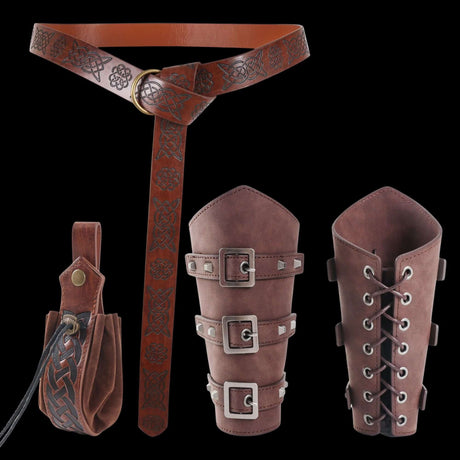
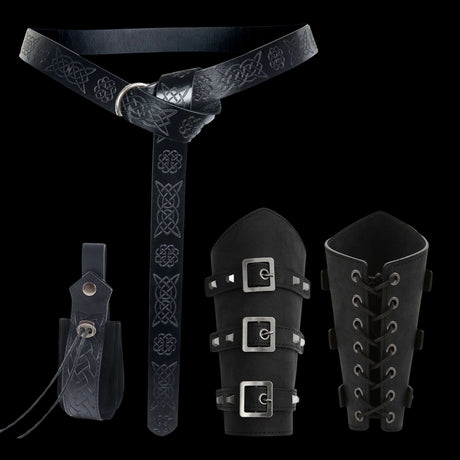
- The Belt: While most women didn't wear wide "warrior belts" (this is a modern trope), a leather belt with a simple bronze buckle is necessary for hanging a seax (knife) and a pouch.
- Coordinating Leather: Ensure your belt, shoes, and any pouches are in the same family of leather (e.g., all medium-brown). This provides a sense of "kit" uniformity.
The Counter-Argument: Is "Perfect" Coordination Historical?
It is important to acknowledge a common critique in the reenactment world: Did Viking women actually care if their clothes matched? Evidence suggests that for everyday labor, they probably wore whatever was clean and functional. However, for "Thing" meetings (legal assemblies), weddings, and feasts, coordination was a way of displaying family honor. Your clothes were a physical manifestation of your skill at the loom and your husband’s success as a trader.

The Counter-Argument: Is "Perfect" Coordination Historical?
Therefore, while "perfect" coordination might not be necessary for a "peasant" look, it is absolutely essential for a "high-status" look. In the United States, where we often use Viking Women Costumes for celebratory events, leaning into the coordinated aesthetic is a way of honoring the craftsmanship of the era.
-
You may also want to check out this product: Laced Apron Overdress
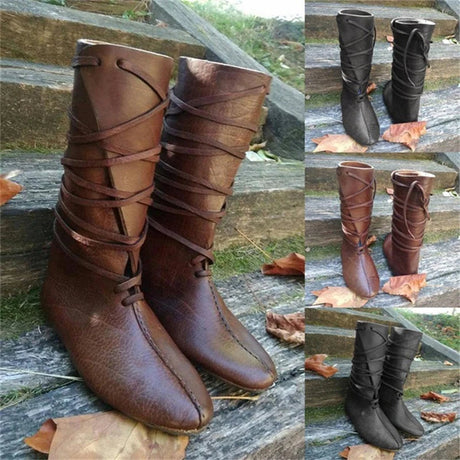
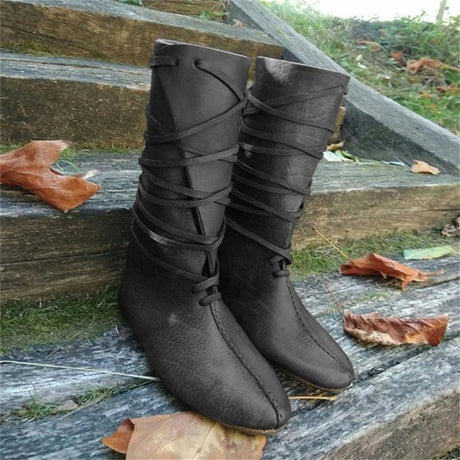
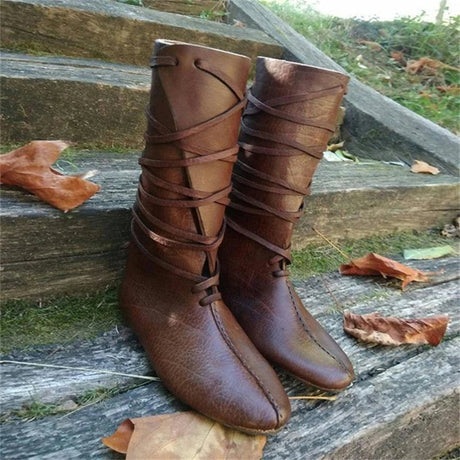
Footwear: The Often-Forgotten Piece
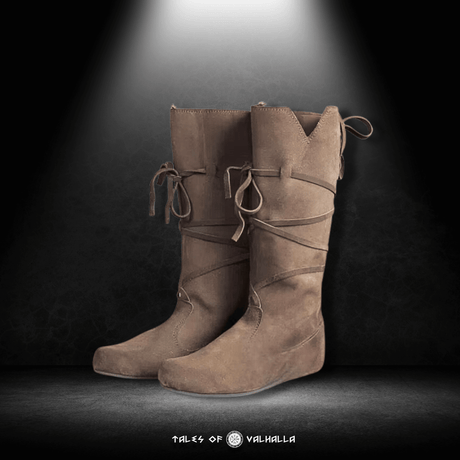
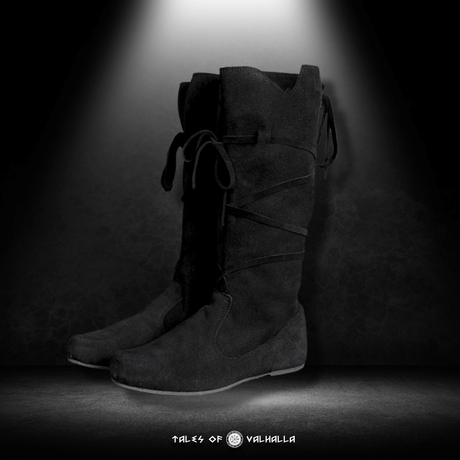
You can have the most beautiful hand-sewn wool dress in the world, but if you pair it with modern UGG boots or hiking sneakers, the coordination falls apart.
The Turnshoe Silhouette
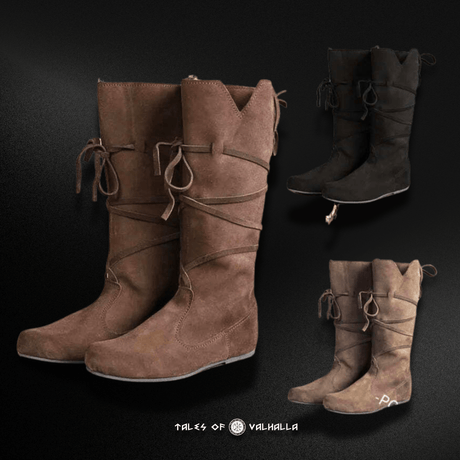
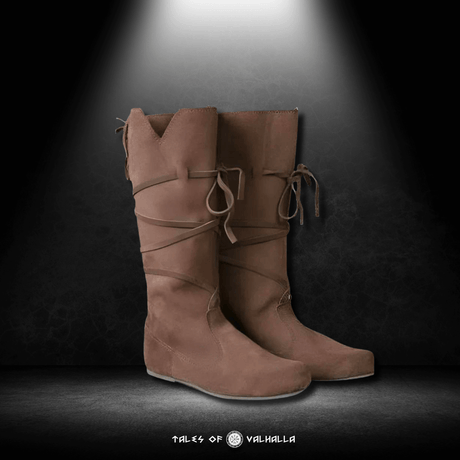
Coordinating your shoes involves looking at the "weight" of your outfit. If you are wearing heavy winter wools, you need thicker leather shoes or even "Viking-style" boots with leg wraps (winningas). If you are in a light summer linen serk, simple goatskin turnshoes are more appropriate.
For the American hobbyist, finding "Viking" shoes that are comfortable for all-day walking is the biggest hurdle. Look for vendors who use thick leather soles or hidden rubber inserts to protect your feet on modern pavement while keeping the historical look intact.
The Final Touch: Hair and Head-Coverings
Coordination doesn't stop at the neck. A well-coordinated Norse look includes the hair.
The "Hwit" or Scarf
Most married women in the Viking Age covered their hair with a small linen scarf or a "coif." If you are coordinating a high-status outfit, your head-covering should match the fabric of your under-dress.
Braids and Beads
If you choose to leave your hair visible, coordinate your hair ties with your jewelry. If you are wearing bronze brooches, use bronze rings in your braids. This creates a "total look" that feels intentional from head to toe.
Real-Life Example: The "Birka Lady" Ensemble
Let’s look at a real-world example of how to coordinate a high-tier outfit.
- Base: A white linen serk with a silk-trimmed neckline.
- Middle: A deep blue wool apron dress with silver tablet-woven trim.
- Hardware: A pair of silver-plated P37 tortoise brooches.
- Accents: A three-strand bead festoon using rock crystal and carnelian beads.
- Outer: A matching blue wool kaftan with silver clasps.
This look is coordinated by color (blue/silver), status (silk/silver plating), and region (Birka). It tells anyone who sees it exactly who this woman is in the social hierarchy.
Conclusion
Coordinating Viking Women Costumes is a journey of discovery. It forces you to ask questions about who your "character" is, where she lived, and what her life was like. When you stop seeing clothes as a "costume" and start seeing them as a "coordinated kit," you unlock a new level of connection to the past.
Remember, the most important element of any Norse look is the confidence of the woman wearing it. Whether you are stepping onto a battlefield or into a feast hall, your clothes should feel like your own.
As you begin to source the individual pieces for your coordinated look—from the foundational linens to the intricate bronze jewelry—it is vital to choose items that reflect the true spirit of the era. For those looking to build their own legend in the United States, finding the right accessories and "finishing touches" can make all the difference. To explore a collection of Norse-inspired pieces that can help tie your entire aesthetic together, be sure to visit Tales of Valhalla.
"Tales of Valhalla is an expert chronicler of the Viking Age, blending scholarly research with master storytelling to revive the Old North. From the hidden depths of Norse mythology to the tactical grit of the sagas, they provide authentic, rich insights into the warriors, leaders, and legends that forged history." - Specialist in Norse mythology and Viking history