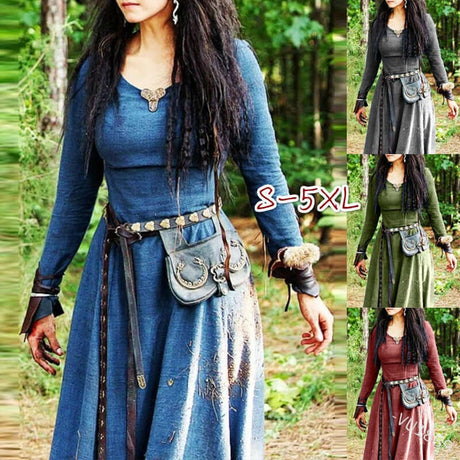
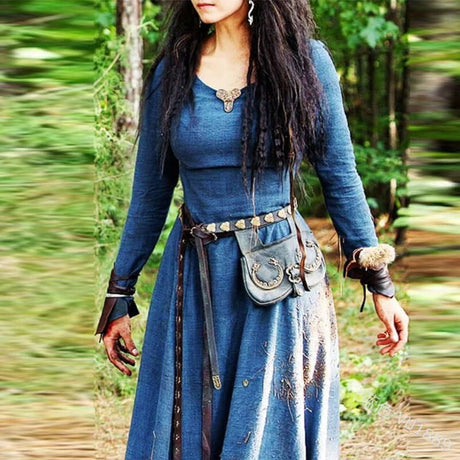
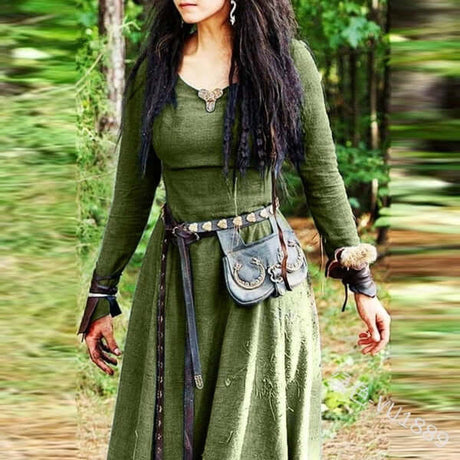
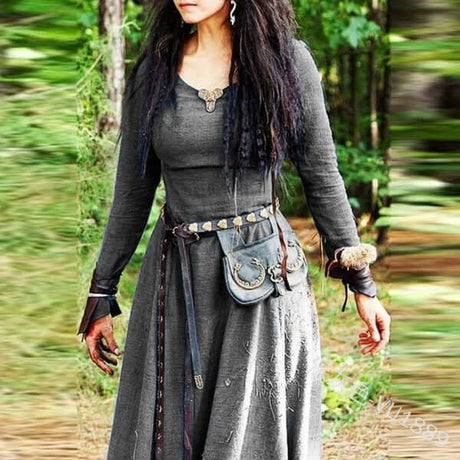
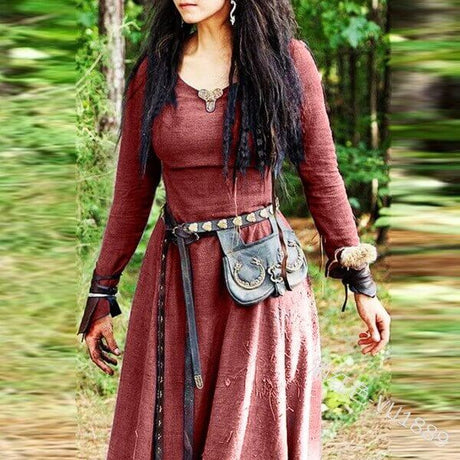
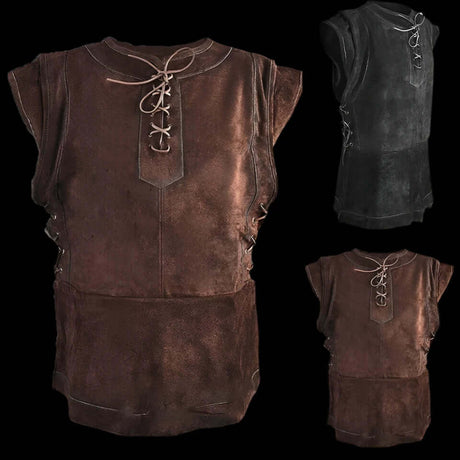
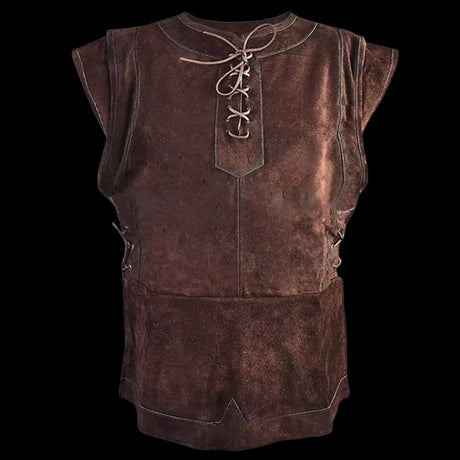
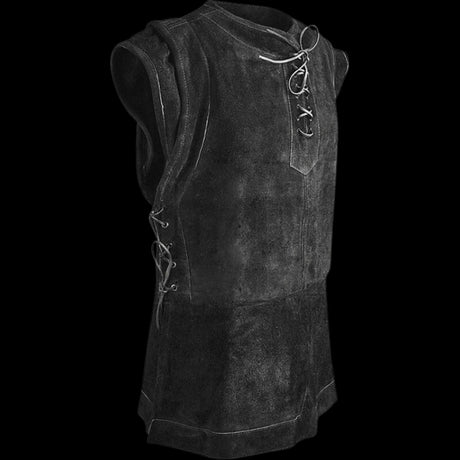
Close your eyes and imagine the sound of thunder rolling across a jagged Scandinavian fjord. In the flash of lightning, you see them: the Choosers of the Slain. They aren't merely mortal women, nor are they distant, untouchable deities. They are Valkyries—celestial beings who bridge the gap between the bloody mud of the battlefield and the golden halls of Valhalla.
In the United States, the fascination with these mythological figures has reached a fever pitch. From the operatic heights of Wagner to the blockbuster spectacle of the Marvel Cinematic Universe, the Valkyrie has become a primary inspiration for Viking Women Costumes. But how do you take a creature of myth and translate her into a wearable, impactful outfit that honors both history and legend?
Creating a Valkyrie-inspired look is about more than just putting on a helmet. It is about weaving the "supernatural" into the "substantial." It is the art of taking authentic Viking Women Costumes—the wools, the linens, and the brooches—and elevating them with symbols of fate, flight, and ferocity.
The Mythology of the "Chooser": Who Was the Original Valkyrie?
Before we dive into the textiles, we must understand the "soul" of the aesthetic. In Old Norse poetry, Valkyries were far grimmer and more powerful than the "maiden in distress" tropes of later centuries. They were weavers of fate. In the poem Darraðarljóð, they are described weaving a web of human guts, using severed heads as weights for their loom.
 The Mythology of the "Chooser": Who Was the Original Valkyrie?
This connection to weaving is crucial. For a Norse woman, the loom was her domain, and the Valkyrie represented the cosmic version of that power. When building Viking Women Costumes with a mythological twist, you are essentially "weaving" your own destiny.
The Duality of the Aesthetic
A Valkyrie aesthetic relies on a balance between two worlds:
-
The Shield-Maiden (The Mortal): Rooted in historical accuracy, using heavy fabrics and functional gear.
-
The Swan-Maiden (The Divine): Incorporating ethereal elements like feathers, silver, and light-catching silk.
Mapping the Myth: Key Elements of the Valkyrie Look
To help you plan your transformation, let’s look at the specific mythological symbols and how they translate into actual components of Viking Women Costumes.
| Mythological Symbol | Meaning in Lore | Costume Component | Material Suggestion |
| The Raven | Odin’s scouts; eaters of the fallen | Shoulder pauldrons or trim | Dark iridescent feathers/leather |
| The Swan | The ability to transform and fly | Veil or under-layer | Fine pleated white linen or silk |
| The Spear | The weapon of Odin (Gungnir) | Accessory or staff | Ash wood with etched steel head |
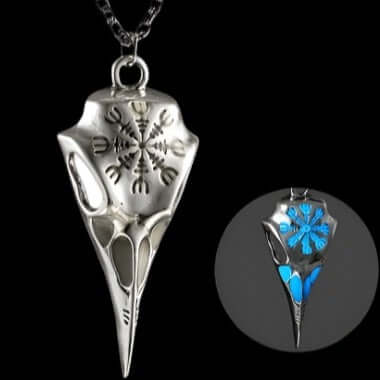
| The Valknut | The "Knot of the Slain" | Embroidery or jewelry | Silver or pewter pendant |
| The Horn | Offering mead to the fallen in Valhalla | Belt accessory | Polished bovine horn with silver rim |
1. The Foundation: Ethereal Layers in Viking Women Costumes
A mythological look should feel "more than" a standard village outfit. To achieve this, we start with the base layers but push them toward the divine.
The Use of "Spirit" Colors
While historical Viking Women Costumes leaned into earthy reds and woad blues, a Valkyrie look often benefits from a "celestial" palette. Think of the colors of the Northern Lights (Aurora Borealis), which some legends say were the reflections of the Valkyries' armor.
- Iridescent Whites: Using bleached linen for your serk (under-dress) gives a ghostly, ethereal glow.
- Deep Teals and Purples: These colors suggest the night sky and the magical nature of the "Choosers."
Incorporating Pleats
In the Viking Age, fine pleating was a massive status symbol. For a Valkyrie look, a heavily pleated linen shift creates a sense of movement and "wing-like" texture. When you walk, the fabric shifts and expands, mimicking the ruffling of feathers.
2. Armor of the Gods: Beyond the Leather Corset
As we’ve discussed in previous explorations, the "leather corset" is a Hollywood myth. However, a Valkyrie does need protection. If you are building Viking Women Costumes with a warrior edge, look toward metal and scales.

Armor of the Gods: Beyond the Leather Corset
The Scale Mail Influence
Scale armor is visually striking and carries a "reptilian" or "bird-like" quality that fits the mythological theme. Instead of a full suit of heavy plate, consider a "lamellar" vest or a single scaled shoulder piece. This suggests a being who is partially armored for the sky, keeping her weight light enough for flight but her vitals protected for the fray.
The "Winged" Brooches
Historically, women wore oval brooches. For a mythological twist, look for "trefoil" or "equal-armed" brooches that have been cast with raven or swan motifs. These act as the "claps" that hold your fate together. In the United States, several specialized smiths create custom bronze pieces that incorporate Norse knotwork shaped into abstract wings—the perfect centerpiece for Viking Women Costumes.
-
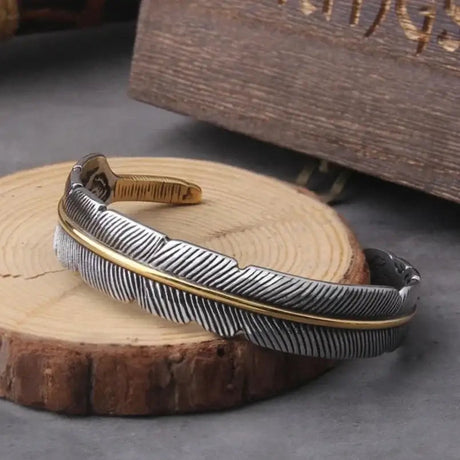
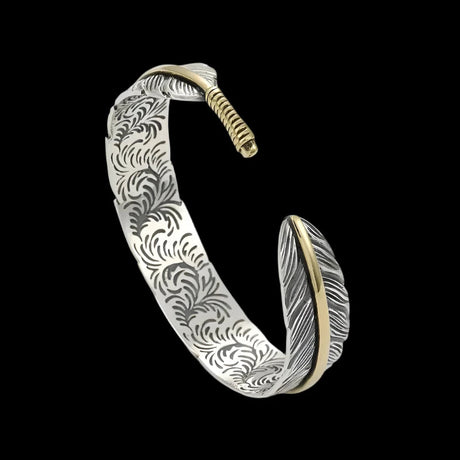
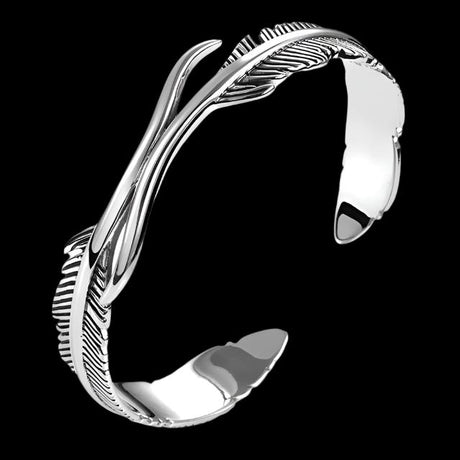
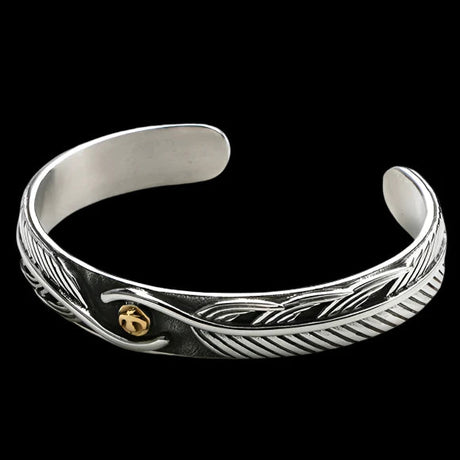
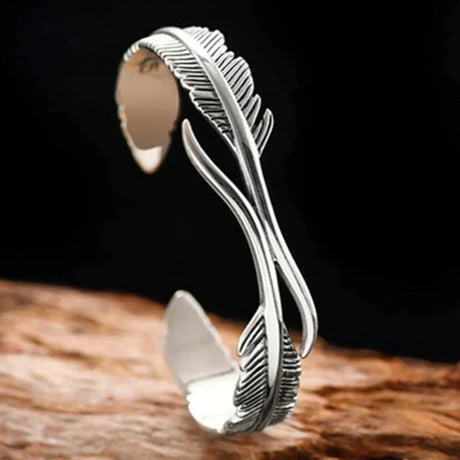
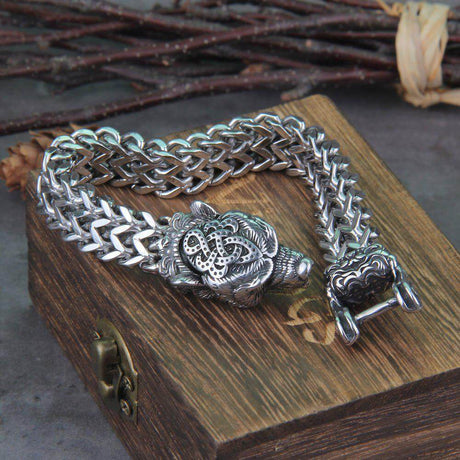
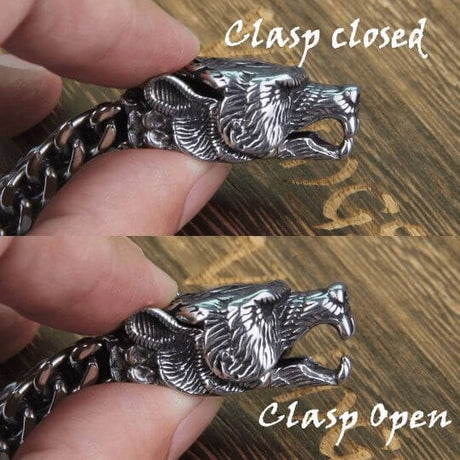
You may also want to check out this product: Valkyrie's Wing Leather Bracelet
3. The Totems of Flight: Feathers and Fur
Nothing says "Viking myth" quite like the incorporation of animal elements. Valkyries were often associated with ravens (Odin’s birds) and swans.
The Raven’s Mantle
Adding a feathered mantle or collar to your cloak immediately elevates the aesthetic from "mortal" to "mythical." If you are concerned about ethics, many high-quality faux-feather options capture the iridescent "oil-slick" shine of a raven’s wing. Drape this over a heavy wool cloak to create a silhouette that looks ready to take to the air.
The Paradox of Fur
While we often see fur used as a "caveman" accessory, in Viking Women Costumes, fur was a luxury. A Valkyrie might wear a trim of white fox or silver wolf—not for warmth alone, but to signify her status as a predator of the skies.
Expert Insight: "A costume becomes a 'character' when you add the textures of the natural world. For a Valkyrie, you want textures that imply height, cold, and speed. Combine the coarseness of raw wool with the smoothness of silk to tell a story of a being who walks on earth but belongs to the wind." — S. Arnesson, Historical Stylist
4. Jewelry as a Spell: The Symbolic Finishing Touches
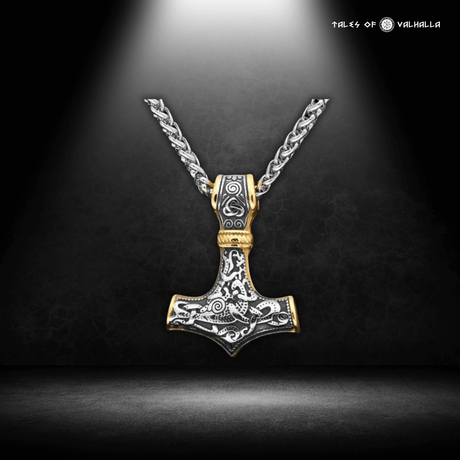
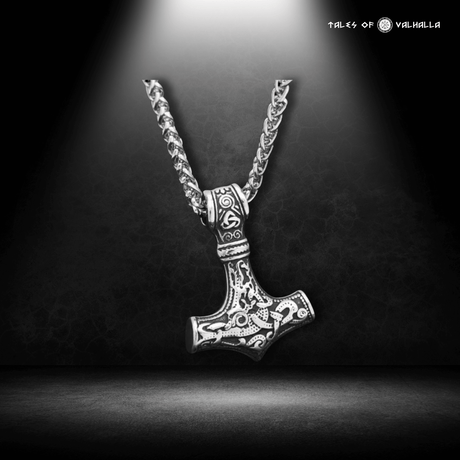
In the mythological world, jewelry wasn't just gold; it was a talisman. To make your Viking Women Costumes truly "Valkyrie-esque," your jewelry should be intentional.
- The Mead Horn: A Valkyrie’s job in Valhalla was to serve the Einherjar. A small, polished drinking horn hanging from a silver chain on your belt is a direct nod to this lore.
- Filigree and Silver Wire: The Vikings loved silver. Using "tablet-woven" bands with real silver thread into your apron dress straps adds a shimmering quality that catches the campfire light, making you look like a creature of spirit and metal.
- Amber: Known as the "tears of Freyja," amber beads are a must. They represent the sun and the life-force, providing a warm contrast to the cold steel of the "warrior" elements.
Challenging the "Beauty" Standard: The Grim Valkyrie
A potential counter-argument to the "Valkyrie Aesthetic" is that it is often made too "pretty" or "delicate." In the original Sagas, Valkyries were terrifying. They were covered in the blood of the slain and shrieked as they rode through the clouds.
When designing your Viking Women Costumes, don't be afraid to add "grim" elements.
-
Warpaint: Instead of modern makeup, use "soot" (charcoal) to create bold, aggressive lines across the eyes.
-
Weathering: A Valkyrie who has just come from the battlefield wouldn't have a pristine white dress. Slightly fraying the edges of your cloak or adding a "mud-wash" to your hem adds a level of realism that makes the mythological elements pop. It grounds the fantasy in a world of dirt, blood, and iron.
🕯️ Personal Anecdote: The Power of the Cloak
I once attended a winter solstice event in the Pacific Northwest. I saw a woman dressed in a full Valkyrie ensemble. She didn't have plastic wings or a "sexy" outfit. She had a cloak made of four different types of grey and black wool, layered to look like feathers. When the wind caught it, she seemed to double in size.
She wore a simple silver circlet with a single raven’s claw. She didn't have to tell anyone who she was; the weight of her Viking Women Costumes and the intentionality of her symbols did the talking. That is the secret to the aesthetic: it’s not about "wearing a costume," it’s about "assuming a mantle."
Where to Find the "Divine" Components
For those in the United States, finding these specific mythological components can be a challenge. You can't exactly find "Odin-blessed silver" at the local mall.
The key is to look for artisans who understand the Wyrd (fate). You want pieces that feel heavy and "old." Look for hand-cast bronze, hand-woven textiles, and real natural materials. When you put on your Viking Women Costumes, you should feel a shift in your posture. You should feel the urge to stand taller, to look toward the horizon, and to choose your own path.
Conclusion
Creating a Valkyrie aesthetic is an act of storytelling. It is a way for modern women to channel the ferocity, authority, and mystical power of the Norse past. By blending the historical reality of Viking Women Costumes with the soaring elements of mythology, you create something that is truly timeless.
You are the bridge between the earth and the sky. You are the chooser of your own destiny.
As you gather your silks, your feathers, and your silver, remember that the best looks are those that come from a place of deep respect for the lore. If you are looking for the perfect artifacts to complete your transformation—from symbolic jewelry to the rugged gear of a shield-maiden—you will find pieces that resonate with the spirit of the North at Tales of Valhalla.
"Tales of Valhalla is an expert chronicler of the Viking Age, blending scholarly research with master storytelling to revive the Old North. From the hidden depths of Norse mythology to the tactical grit of the sagas, they provide authentic, rich insights into the warriors, leaders, and legends that forged history." - Specialist in Norse mythology and Viking history