Imagine the sky splitting open during the furious clamor of battle. The air is thick with the scent of iron and the cries of the fallen. Yet, amidst the chaos, a new, terrifying beauty descends: mounted on winged steeds or galloping thunderclouds, clad in shining mail and bearing spears, come the Valkyries. These are not simply angels or furies; they are the Valkyrjur—the "Choosers of the Slain"—the enigmatic Nordic warrior goddesses who determine the fate of heroes and guide the chosen dead to Valhalla.
The figure of the Valkyries is one of the most powerful and enduring in Norse mythology, yet they are often reduced to a singular, simple image—a beautiful, winged maiden. The truth is far more complex and compelling. Their mythology is layered, shifting from terrifying, bloodthirsty battlefield spirits to romantic, humanized figures in later sagas. They are the essential link between Midgard (Earth) and Asgard (the realm of the gods), holding the power of life, death, and eternal glory in their hands.
This exhaustive 2,500-word exploration will delve into the deep literary, archaeological, and cultural history of the Valkyries, examining their roles, their distinct identities, their connection to fate, and the profound impact they had on the Viking mindset and the very concept of the afterlife.
Defining the Valkyries: The Evolution of a Myth
The primary sources for understanding the Valkyries are the Icelandic texts of the 13th century: the Poetic Edda (older, mythic poems) and the Prose Edda (a textbook of mythology and poetry written by Snorri Sturluson). Within these works, the Valkyries take on dramatically different forms, illustrating an evolution that spans centuries of Norse belief.

Defining the Valkyries: The Evolution of a Myth
1. The Primordial Valkyries: Fateful and Fearsome
In the earliest poems, such as the Poetic Edda's Völuspá and Grímnismál, the Valkyries are terrifying, powerful supernatural entities, directly associated with war and fate.
- Meaning of the Name: The Old Norse Valkyrja literally translates to "Chooser of the Slain." Their sole, uncompromising duty is to descend upon the battlefield and select the einherjar—the worthy dead—who will join Odin's host in Valhalla, where they will train for Ragnarök.
- The Spear-Dancers: The most vivid, early depiction is found in the Darraðarljóð (The Lay of Darts). Here, the Valkyries are terrifying figures weaving the web of war, using human intestines as loom weights, human heads as shuttles, and spears as beaters. They are actively determining the outcomes of battles, not just collecting the dead.
2. The Serving Valkyries: Hostesses of Valhalla
In a second, equally important role, the Valkyries serve the einherjar in Valhalla.
Quote from Grímnismál (Poetic Edda):
“Hrist and Mist, great maidens, / Shall bear the horn to me; / Skeggjöld and Skögul, / Hild and Thrúd, Hlökk and Herfjötur, / Göll and Geirölul, / Randgríð and Ráðgríð, and Reginleif; / They bear ale to the einherjar.”
This passage lists numerous Valkyries who attend to the fallen heroes, bringing them mead and food in the great hall. This role softens their image, showing them as divine waitresses, though their original, fearsome nature is never truly forgotten.
Daughters of Odin: The Commander and the Commander’s Host
The Valkyries are directly bound to the Allfather, Odin. They are his messengers, his agents, and the means by which he collects the army he desperately needs for the final battle of the cosmos.
The Role in Ragnarök
Odin's obsession is the impending doom of Ragnarök—the twilight of the gods. He needs the best warriors to fight the wolf Fenrir and the serpent Jörmungandr. The Valkyries are thus his recruiting officers. Every time a hero falls valiantly in battle, it is Odin, through his Valkyries, securing another champion for his ranks.
The Number and Names of the Valkyries
The number of Valkyries is inconsistent, ranging from three to sixteen in different sources, but the names themselves offer profound clues to their function.
| Name (Old Norse) | Meaning | Symbolic Function | Source |
| Hildr | Battle | Incarnation of War/Strife | Poetic Edda |
| Geirskögul | Spear-Skögul | Wielder of the Spear | Prose Edda |
| Hlökk | Noise/Clamour | The Sound of Combat | Grímnismál |
| Göll | Noise/Yell | The Battle Cry | Grímnismál |
| Hervör | Host-Protector | Guardian of the Army | Prose Edda |
Their very names are epithets for battle, war, and noise, emphasizing their original identity as abstract manifestations of martial conflict.
The Ride and the Transformation: Folklore and Artifacts
The imagery associated with the Valkyries is rooted in the natural world and has been immortalized in art and archaeological finds.
Valkyries and the Aurora Borealis
A persistent piece of Norse folklore connects the sight of the Valkyries riding across the night sky to the phenomenon of the Aurora Borealis (Northern Lights).
- A Fiery Ride: The light of their armor, shields, and the spears they carry is said to cause the shimmering, dancing curtain of light. This vivid, mythological explanation made the Northern Lights a terrifying yet awesome celestial sign, directly linking the battlefield to the heavens.
Archaeological Evidence: Grave Stones
While we lack written texts contemporary to the Viking Age, archaeological finds offer insight into how the Norse visualized the Valkyries.
Gotlandic Picture Stones: Several picture stones from the island of Gotland (Sweden), dating back to the Viking Age, depict a scene that scholars interpret as the arrival in Valhalla.
- One common motif shows a warrior being greeted by a slender, long-gowned female figure holding a drinking horn, standing before a hall. This is widely considered the earliest artistic depiction of a Valkyrie welcoming an einherjar to Valhalla. This corroborates their serving role in the Eddic poems.
From Goddess to Human: The Shieldmaiden Connection
In later sagas, the line between the divine Valkyries and heroic mortal women becomes blurred. In stories like the Völsunga Saga, a Valkyrie like Brynhildr is stripped of her divinity and becomes a human woman, though still possessed of extraordinary martial skills. Similarly, the concept of the shieldmaiden—a female warrior fighting alongside men—may be a reflection in the human world of the divine ideal represented by the Valkyries.
Expert Quote: Scholar H. R. Ellis Davidson suggests, "The Valkyries seem to represent a gradual modification in belief. They start as fearsome, demonic figures and slowly acquire human qualities, becoming the perfect, beautiful warrior women of the later romantic sagas."
- See more: Thor’s Hammer: Myth, Magic, and Mjolnir
The Romantic Valkyries: Love, Curses, and Humanity
The later Germanic and Norse sagas focus less on the Valkyries' cosmic duty and more on their relationship with mortal men, introducing concepts of love, rebellion, and curses.

The Romantic Valkyries: Love, Curses, and Humanity
The Brynhildr Saga
The story of Brynhildr is perhaps the most famous example of a Valkyrie taking on human characteristics.
- The Offense: Brynhildr defies Odin’s will regarding the outcome of a battle, choosing a king whom Odin wanted defeated. For this act of rebellion, Odin punishes her by plunging her into a magical sleep, surrounding her with a ring of fire (a Hergata or "way of the army"), and declaring that she must marry the mortal hero who can ride through the flames.
- The Tragedy: The hero Sigurd rides through the flames, and the two pledge their love. The rest of the saga details their tragic, human love story involving betrayal, mistaken identity, and death. This narrative provides an evocative contrast to the earlier, purely divine role of the Valkyries.
Swan Maidens and the Loss of Wings
A parallel myth cycle presents the Valkyries as Swan Maidens—divine beings who shed their feathered, bird-like cloaks to bathe. If a mortal man steals the cloak, he can force the Valkyrie to stay and marry him.
- The Völundarkviða (Lay of Völund): This poem tells of three Valkyries who dwell among men for seven years until their swan feathers are recovered, after which they fly away, fulfilling their divine nature. This suggests that the power and identity of the Valkyries were tied to their ability to transform and traverse the realms—a power that could be temporarily stolen by human trickery.
-
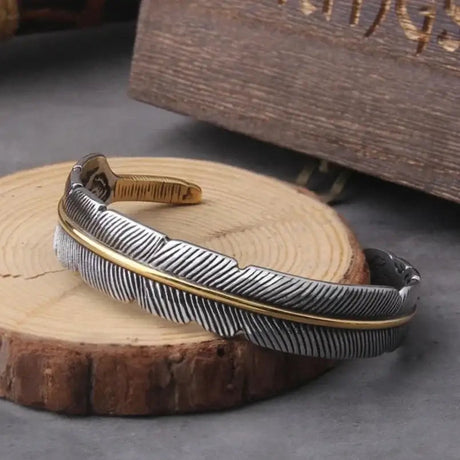
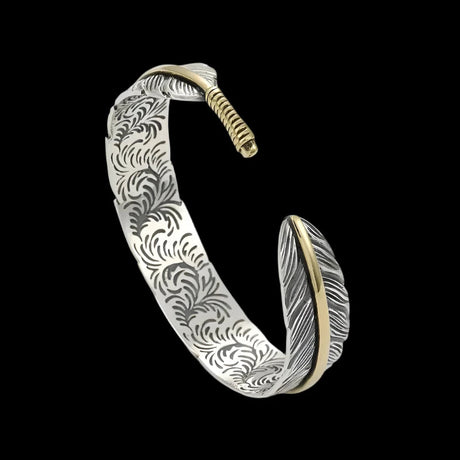
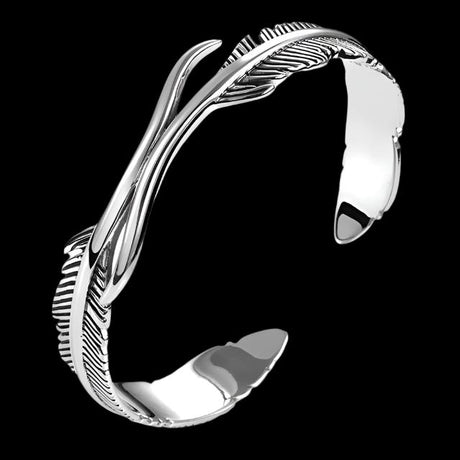
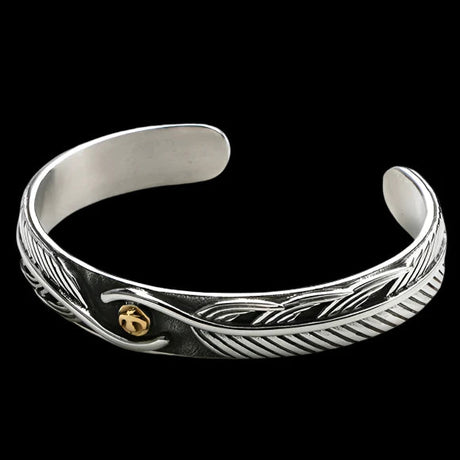
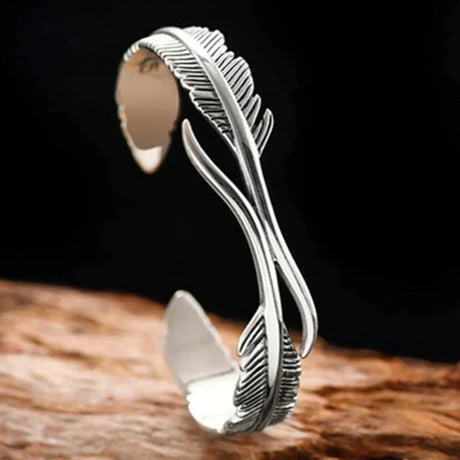
You may also want to check out this product: Valkyrie's Wing Leather Bracelet
Philosophical Weight: Life, Death, and the Viking Mindset
The Valkyries were not just mythological figures; they were a key part of the Viking Age belief system, deeply influencing how warriors approached life and death.
 Philosophical Weight: Life, Death, and the Viking Mindset
Death as a Choice, Not a Doom
For the Viking warrior, the Valkyries transformed death from a random, painful end into a divine selection. Falling in battle meant the ultimate honor: being chosen by the Valkyries to join Valhalla.
- Motivation: This belief provided a profound spiritual motivation for fearlessness. If you die fighting bravely, the beautiful, powerful Valkyries will come for you. If you die of illness or old age (a straw death), you go to the lesser realm of Hel. This system incentivized an aggressive, heroic mindset—a necessary psychological tool for a culture built on raiding and conquest.
- The Half-Share: Interestingly, Odin does not get all the slain. The Grímnismál states that the goddess Freyja receives half of the fallen warriors in her hall, Sessrúmnir, in the field of Fólkvangr. This half-share illustrates the complexity of Norse belief and the shared power over the afterlife between Odin (male power, cosmic duty) and Freyja (female power, passion, and potentially fate).
Statistical Look: The Pantheon's Division of the Dead
While the exact numbers are mythological, the partition of the slain is a key element of Norse eschatology (study of the end times).
| Recipient Deity | Destination Hall | Estimated Share of Slain | Primary Purpose |
| Odin (via Valkyries) | Valhalla | Half of the Slain (The Einherjar) | Training for Ragnarök |
| Freyja | Sessrúmnir (Fólkvangr) | Half of the Slain | Unknown/Alternative Fate |
| Hel | Helheim | Those who die of illness/old age (Straw Death) | Eternal Rest/Shadowy Existence |
The Modern Valkyries: Legacy and Cultural Impact
The image of the Valkyries has transcended ancient myth, finding powerful new life in modern culture, particularly through music, art, and cinema.
Wagner and the Operatic Valkyries
The most significant modern interpreter was composer Richard Wagner, whose opera Die Walküre (The Valkyrie, 1870) cemented the modern visual and auditory image of the Valkyries.
-
The Iconic Image: Wagner popularized the image of the Valkyries as helmeted warrior-women riding winged horses, often shown with long, flowing blonde hair. The famous "Ride of the Valkyries" is synonymous with drama, power, and the sound of charging destiny.
The Feminine Warrior Ideal
The Valkyries embody a potent, early archetype of the powerful, independent female warrior. In a world often dominated by male narratives, the Valkyries held absolute, unilateral power over the fate of men. They were not wives or victims; they were agents of the divine, capable of commanding, challenging, and captivating the greatest heroes and gods. This enduring image resonates deeply in contemporary US culture, where figures like the Valkyries symbolize female strength and autonomy.
Counter-Arguments and Nuance
While the romantic image of the beautiful, winged Valkyries is popular, it is important to remember the complexity:
- Pre-Christian Terror: The earliest evidence suggests they were closer to terrifying, demonic figures—spirits of slaughter and fate—rather than just beautiful women. They weren't fighting for men, but deciding over men.
- The Horse Connection: The idea that they ride winged horses (like Pegasus) may be a later Greek or Roman influence. Their steeds were likely understood simply as swift, thunderous warhorses, or perhaps wolves (in connection to Odin's beasts) in the earliest myths.
The true fascination of the Valkyries lies in this dynamic range—from the nightmare-inducing weavers of death to the fiercely loyal, golden-haired lovers of heroes.
Conclusion: The Ultimate Agents of Destiny
The Valkyries embody the warrior’s greatest hope: that death is not an end, but a promotion. As the fearsome "Choosers of the Slain," they are the recruiters for Ragnarök and the heart of the tales of valhalla. These goddesses stand at the intersection of fate and courage, proving that for the Norse, the herald of death was also the herald of glory.
"Tales of Valhalla is an expert chronicler of the Viking Age, blending scholarly research with master storytelling to revive the Old North. From the hidden depths of Norse mythology to the tactical grit of the sagas, they provide authentic, rich insights into the warriors, leaders, and legends that forged history." - Specialist in Norse mythology and Viking history