Ask any history enthusiast to name a Viking concept, and chances are Valhalla will be at the top of the list. The very name evokes images of bearded warriors, endless feasting, and the thundering presence of Odin. Yet, to dismiss Valhalla as simply the "Viking heaven" is to miss the entire point of the Norse worldview.
Valhalla, which literally means "The Hall of the Slain" (Val-hǫll in Old Norse), is not a peaceful retirement home for the righteous. It is a bustling, raucous, and heavily militarized training camp, designed for one cosmic purpose: preparing an elite army for the final, cataclysmic battle of Ragnarök. It is the ultimate honor, the greatest reward, and the central motivator for every Viking warrior who valued courage above all else.
This comprehensive 2,500-word journey will take you past the gates of Valhalla, deep into Odin's majestic hall in Asgard. We will dissect the architectural wonders of this fabled chamber, meet its inhabitants, analyze their daily routine, and understand how the promise of Valhalla profoundly shaped the Viking Age mentality—turning a violent death into the greatest possible destiny.
The Architecture of Glory: Details of Odin's Hall
Valhalla is explicitly described in the Poetic Edda and Prose Edda with striking, vivid details that underscore its function as a hall of warriors.

The Architecture of Glory: Details of Odin's Hall
A Citadel Built for War
The description of Valhalla makes it clear that its primary purpose is martial. It is a magnificent structure located in Gladsheimr, a sub-region of Asgard.
- Roofs of Shields: The hall's roof is famously constructed of golden shields, reflecting the military nature of its residents.
- Spears for Rafters: The rafters are made of spears, and the benches are covered with suits of mail.
- Doors of Destiny: According to the poem Grímnismál, Valhalla has 540 doors. Through each door, 800 einherjar (the chosen warriors) will march out side-by-side to fight the forces of chaos during Ragnarök.
This staggering figure highlights the scale of Odin's cosmic preparations and the immense importance of Valhalla as a military staging ground.
The Beasts of Plenty
The feasting in Valhalla is possible thanks to a few legendary creatures:
- Sæhrímnir (The Eternal Boar): The einherjar feast daily on the meat of the boar Sæhrímnir, which is cooked every evening and magically regenerates every morning, providing an endless supply of pork.
- Heidrún (The Goat): Instead of water, the goat Heidrún stands atop Valhalla and eats the leaves of the world tree Yggdrasil. From her udders flows mead, which fills the hall's vats and provides the einherjar with their endless supply of drink.
Anecdote: Imagine the sound inside Valhalla—the continuous din of 432,000 men clashing swords, roaring with laughter, and draining endless horns of strong mead. This is not a quiet sanctuary; it is the ultimate barracks, vibrating with fierce, eternal energy.
The Chosen: Who Gets to Enter Valhalla?
The entry requirements for Valhalla are strict, reflecting the core values of Viking society. Not everyone who dies, even honorably, gets a seat at Odin's table.
The Two Halves of the Fallen
Upon death, the fallen are divided by the Choosers of the Slain, the Valkyries.
- Odin's Half: Odin receives half of the slain to dwell in Valhalla, where they become the Einherjar (literally "Once-Fighters" or "Single/Solo-Fighters"). Odin's intense selection process focuses exclusively on the best, fiercest warriors—those whose courage, skill, and reputation would make them invaluable in the final war.
- Freyja's Half: The other half of the slain go to the hall Sessrúmnir, located in the field of Fólkvangr, presided over by the goddess Freyja. The precise criteria for Freyja's choice are less clear in the Eddas, but this dual system illustrates the complexity of the Norse afterlife.
The Unforgivable Death: Helheim
The fundamental rule governing entrance to Valhalla is the method of death:
The Golden Rule: Only those who die valiantly in battle are chosen for Valhalla. Dying of sickness, old age, or accidents—a "straw death"—leads the soul to the dreary, cold realm of Helheim, ruled by the goddess Hel.
This belief system was perhaps the single most potent psychological tool of the Viking Age, providing a spiritual justification for violence and an overwhelming motivation to charge into certain death rather than face a less honorable afterlife.
A Day in the Life: Training for Ragnarök
The Einherjar in Valhalla do not spend their days resting or contemplating philosophy. Their existence is a relentless, brutal cycle of training, death, and resurrection.

A Day in the Life: Training for Ragnarök
The Endless Drill
Every morning, the doors of Valhalla open, and the thousands of einherjar pour out onto the vast fields of Asgard.
- The Ritual: They engage in massive, spectacular battles, practicing every conceivable strategy and clash of arms. They fight one another, often to the point of being hacked into pieces.
- The Resurrection: As the sun sets, a miracle occurs. Every slain warrior is immediately healed, restored to full health, and ready for the evening’s feast.
The purpose of this perpetual combat is practical: to ensure Odin’s army is eternally honed, perpetually ready, and psychologically prepared for the intensity of the final confrontation against the giants and monsters.
Expert Quote: Dr. Neil Price, a leading historian of the Vikings, noted, "The daily routine in Valhalla shows that the Viking afterlife was not an escape from their world, but an intensification of it. Life was battle; the afterlife was just the eternal, perfect battle."
The Table of Heroes: A Relatable Ritual
For the Viking warriors, this routine would have been strangely familiar. The cycle of fighting, resting, feasting, and storytelling was the rhythm of a successful longship crew or a royal guard. Valhalla simply elevated this existence to a perfect, divine scale, free from the worries of hunger, cold, or true death.
Statistical Snapshot of Valhalla's Provisions
| Item | Source | Quantity/Availability | Purpose |
| Meat | Sæhrímnir (Boar) | Resurrects daily, endless supply. | Sustenance for the Einherjar. |
| Drink (Mead) | Heidrún (Goat) | Flows constantly from udders. | Ritual feasting and celebration. |
| Warriors | Einherjar (Fallen Heroes) | Approx. 432,000 total. | Army for Ragnarök. |
| Servers | Valkyries (Odin’s Maidens) | Bear horns of mead to the heroes. | Honors the slain; reinforces female power over the afterlife. |
The Ultimate Purpose: Valhalla and Ragnarök
The entire structure, population, and routine of Valhalla are predicated on one inescapable destiny: Ragnarök, the destruction of the world and the death of the gods.
Odin’s Cosmic Quest
Odin is depicted as a god obsessed with wisdom, knowledge, and power—all aimed at mitigating or delaying Ragnarök.
- The Gathering: He sacrifices his eye for wisdom, hangs himself on Yggdrasil for the runes, and sends his Valkyries across the mortal world to collect heroes. Every action is a strategic effort to build the largest, fiercest army possible to stand against the giant forces of Loki and Surtr.
- The Horn Call: The final, dramatic moment for the einherjar in Valhalla will come when the god Heimdall sounds the Gjallarhorn. When that trumpet blast echoes across the nine worlds, the 540 doors of Valhalla will simultaneously burst open, and the massive army will march out onto the field of Vígríðr to fight their final battle.
Hypothetical Outcome: The Final Charge
The mythology is clear that the gods, including Odin, are fated to fall during Ragnarök. This raises a poignant hypothetical scenario: Did the Vikings know the end was predetermined?
The tragic, cyclical nature of Norse cosmology suggests that the heroes in Valhalla are training for a battle they cannot ultimately win. This knowledge imbues Valhalla not just with glory, but with a deep sense of heroic fatalism. Their glory is not in victory, but in demonstrating unparalleled courage against overwhelming, preordained odds. It is the ultimate expression of the Viking ideal of an honorable, glorious fight, regardless of the result.
Valhalla in Context: Other Halls of the Norse Afterlife
To fully appreciate the significance of Valhalla, we must place it next to the other halls of the Norse afterlife.
The Contrast with Helheim
Helheim, ruled by the shadowy goddess Hel, is the destination for the vast majority of people—those who died unnaturally (not in battle).
No Glory, Only Cold: Helheim is cold, dark, and described as a dreary, joyless place. The distinction between Valhalla and Helheim provided the ultimate moral and societal compass for the Viking warrior. The promise of Valhalla meant that the risk of a warrior's death was exponentially preferable to a safe, quiet end.
-
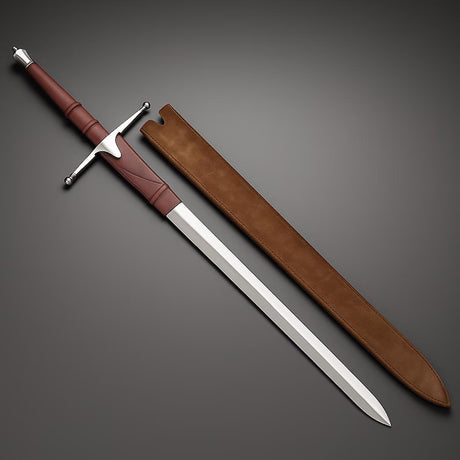
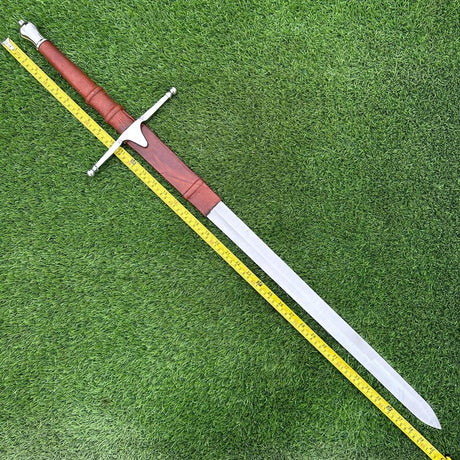
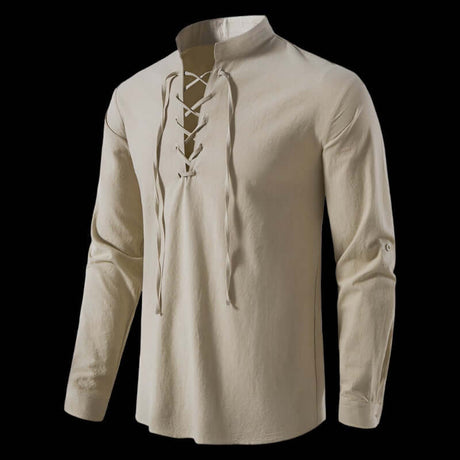
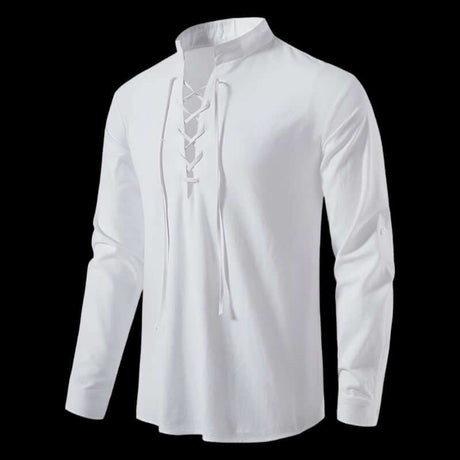
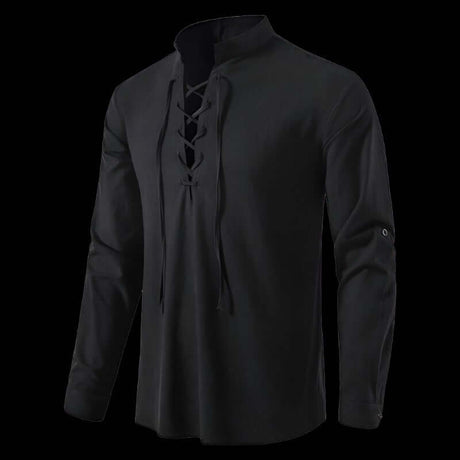
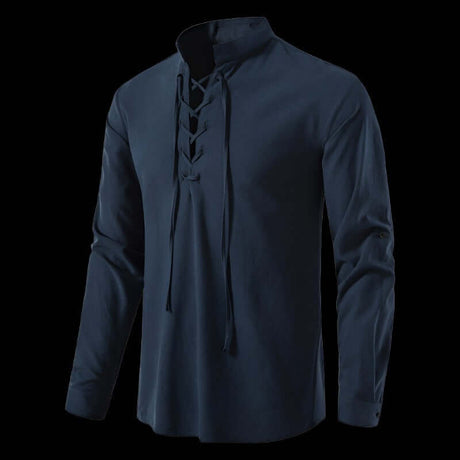
You may also want to check out this product: The Valhalla Wooden Damascus Sword
The Nuance of Fólkvangr
Freyja’s hall, Sessrúmnir in Fólkvangr, is perhaps the most debated alternative.
Shared Glory: The fact that Freyja, the goddess of love, beauty, fertility, and also war and seidr (magic), receives half the slain complicates the idea that Valhalla is the only glorious destination. It suggests that women held significant influence over the afterlife, and perhaps that a different, non-Odinic type of heroism or spiritual merit was also rewarded. The Vikings accepted this parallel reality, understanding that the realm of the afterlife was multifaceted, not a simple binary.
Real-Life Example: The practice of "self-wounding" before battle, or in extreme old age, was sometimes practiced by Viking warriors who feared a "straw death." By inflicting a small, intentional wound with a spear—Odin's weapon—they hoped to fool the Valkyries into choosing them for Valhalla by signifying they died by battle. This demonstrates the powerful, practical influence of the Valhalla myth on their final moments.
The Legacy of Valhalla in the Modern World
The mythological and cultural impact of Valhalla continues to resonate far beyond Scandinavia.
Popular Culture and Mythology
The concept of Valhalla has been adopted and adapted across Western culture, symbolizing the ultimate place of honor and heroism.
- The Epitome of Glory: It is used as a term for any esteemed pantheon, hall of fame, or place of eternal recognition (e.g., the National Valhalla Memorial). This demonstrates how the core concept—a resting place for the most honorable—has successfully crossed cultural and religious boundaries.
- A Relatable Idea: The desire for a glorious, meaningful death is universal. The Viking conception of Valhalla simplifies this complex human yearning into a clear, attainable goal, making the myth highly appealing to modern audiences who value courage, strength, and legacy.
Refined Analysis: Challenging the Modern Image
Modern portrayals often strip Valhalla of its true function. It isn't a place of eternal rest; it’s a barracks for eternal training. The nightly feasting is merely recovery for the next day's slaughter—a grim cycle of preparation for the final battle of Ragnarök.
The tales of valhalla reveal the core of the Viking soul: a devotion to Odin and a conviction that a brave life earns a glorious, albeit demanding, reward. It was the ultimate job with the ultimate stakes—proving that for the Norse, the greatest honor was never found in peace, but in the preparation for the end of the world.
"Tales of Valhalla is an expert chronicler of the Viking Age, blending scholarly research with master storytelling to revive the Old North. From the hidden depths of Norse mythology to the tactical grit of the sagas, they provide authentic, rich insights into the warriors, leaders, and legends that forged history." - Specialist in Norse mythology and Viking history